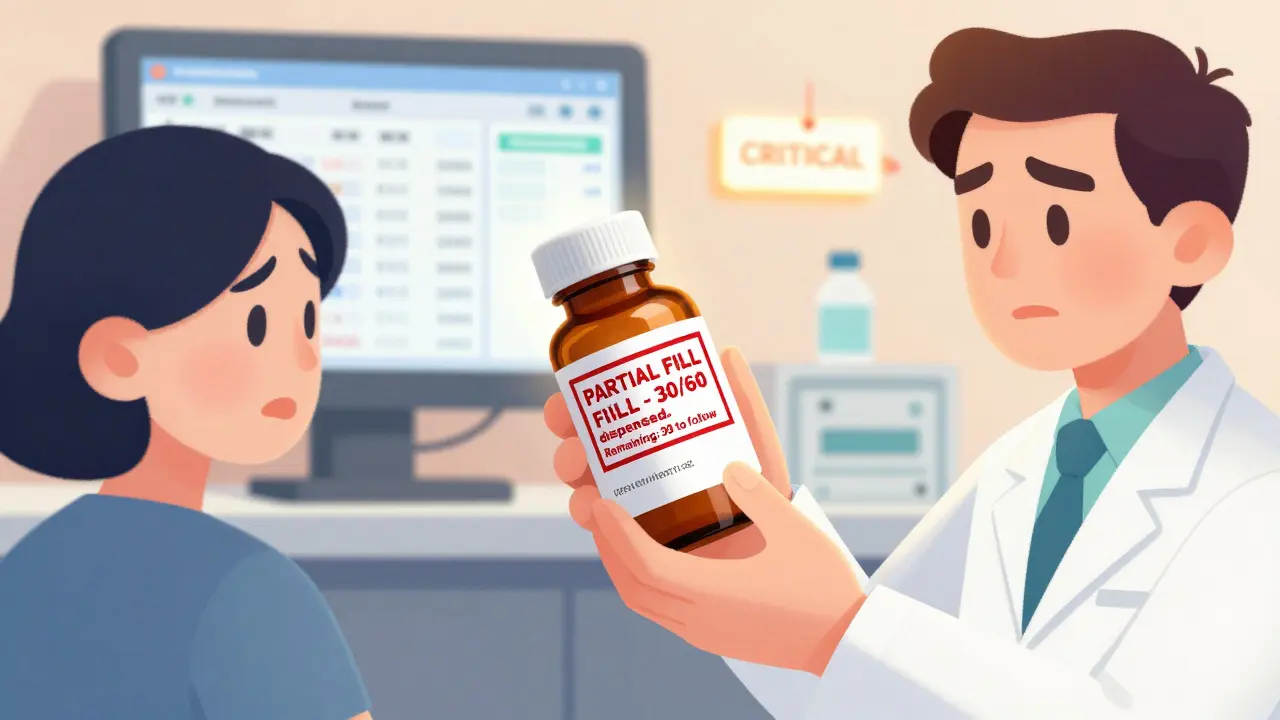
Learn how to safely manage partial fills and back-orders in pharmacies to prevent dispensing errors, improve patient safety, and build trust. Real-world strategies for NZ pharmacies in 2026.
View More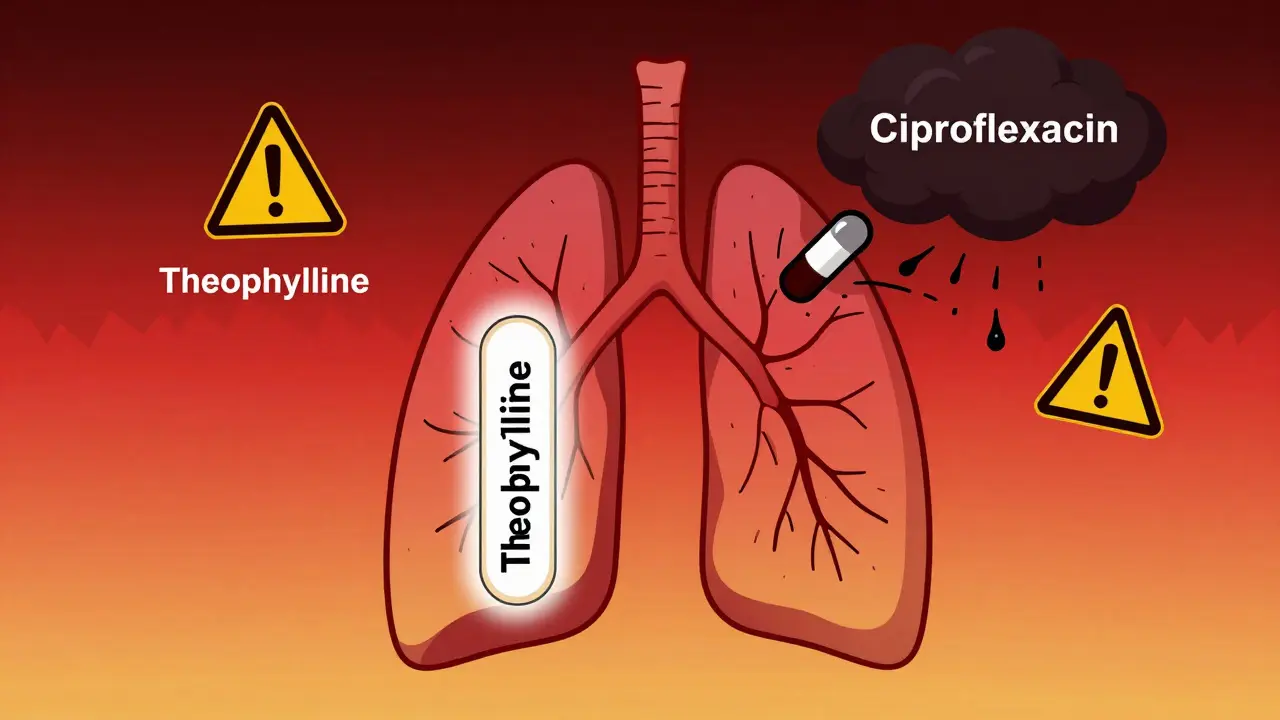
Ciprofloxacin and theophylline together can cause dangerous toxicity, leading to seizures, arrhythmias, and hospitalizations. This well-documented interaction requires dose adjustments or antibiotic changes to prevent harm.
View More
The gut microbiome can turn medications into toxins or render them useless, explaining why some people have severe side effects while others don't. New research is revealing how bacteria alter drug metabolism - and how we can personalize treatment.
View More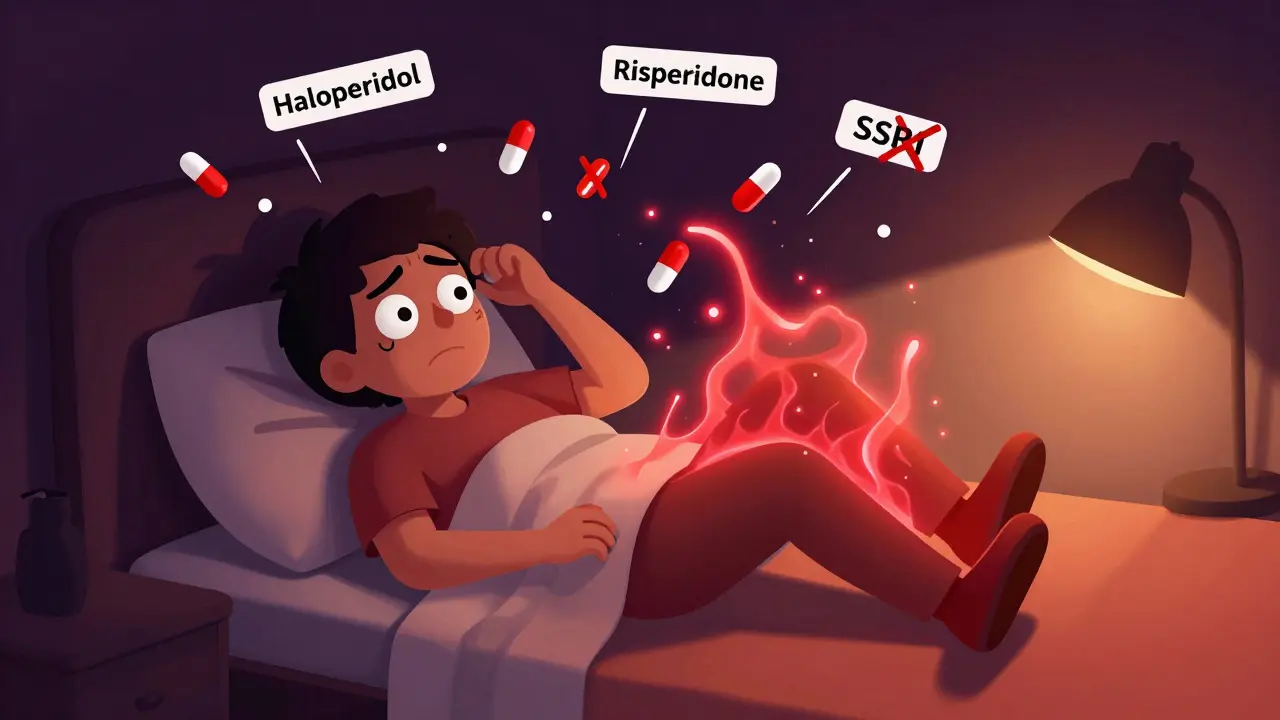
Akathisia and restless legs are often confused, but only one is a dangerous drug side effect. Learn how to tell them apart, why misdiagnosis can be deadly, and what treatments actually work.
View More
Learn how to get 90-day prescription fills to cut your medication costs in half - no new insurance needed. Just ask your pharmacy or doctor, and start saving hundreds each year.
View More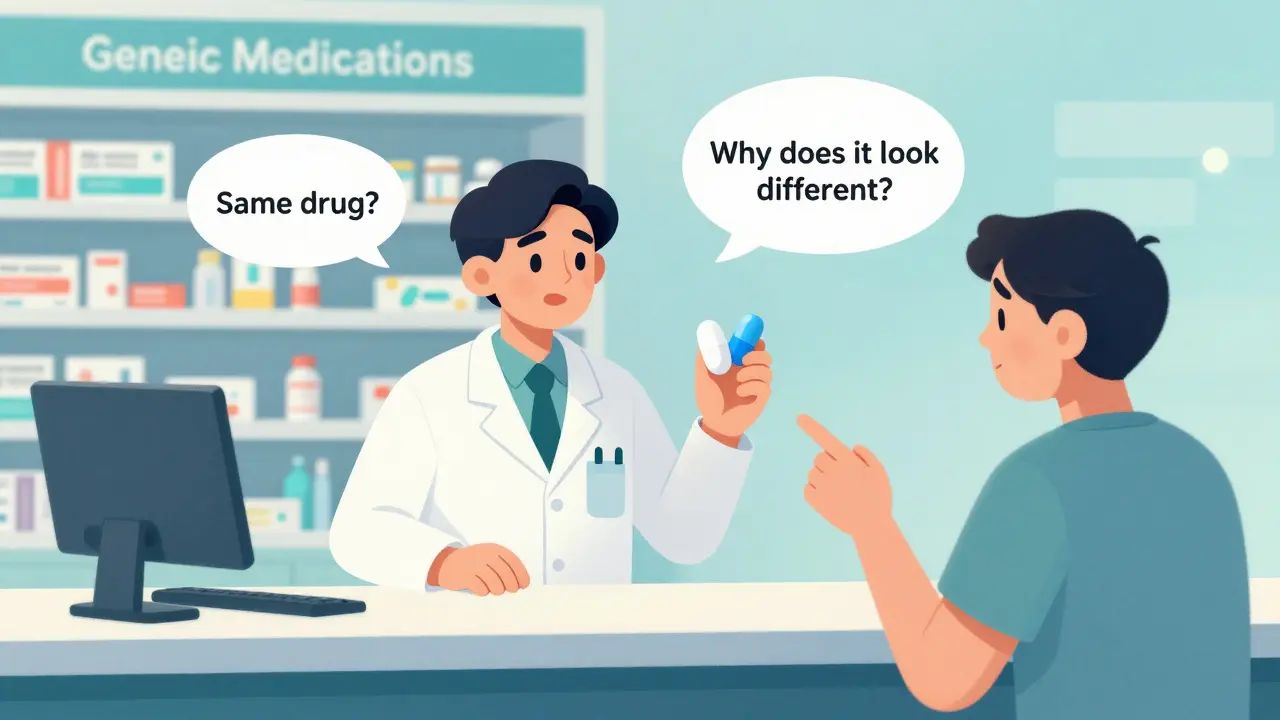
Generic medications are used in 90% of U.S. prescriptions, but subtle differences in formulation, appearance, and labeling lead to preventable errors. Learn how pharmacies can prevent and correct these mistakes to protect patient safety.
View More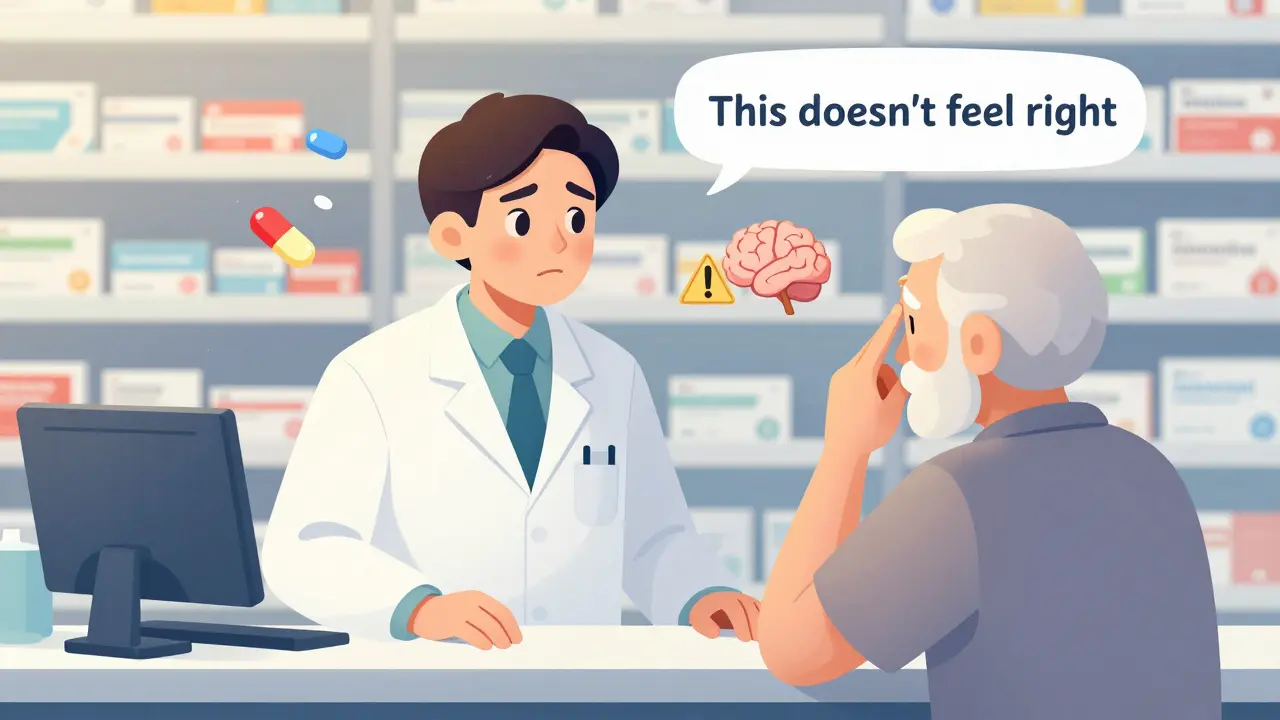
Pharmacists play a vital role in detecting and reporting adverse events from generic medications. Learn why their reports matter, how to report them, and how this simple action helps protect patients nationwide.
View More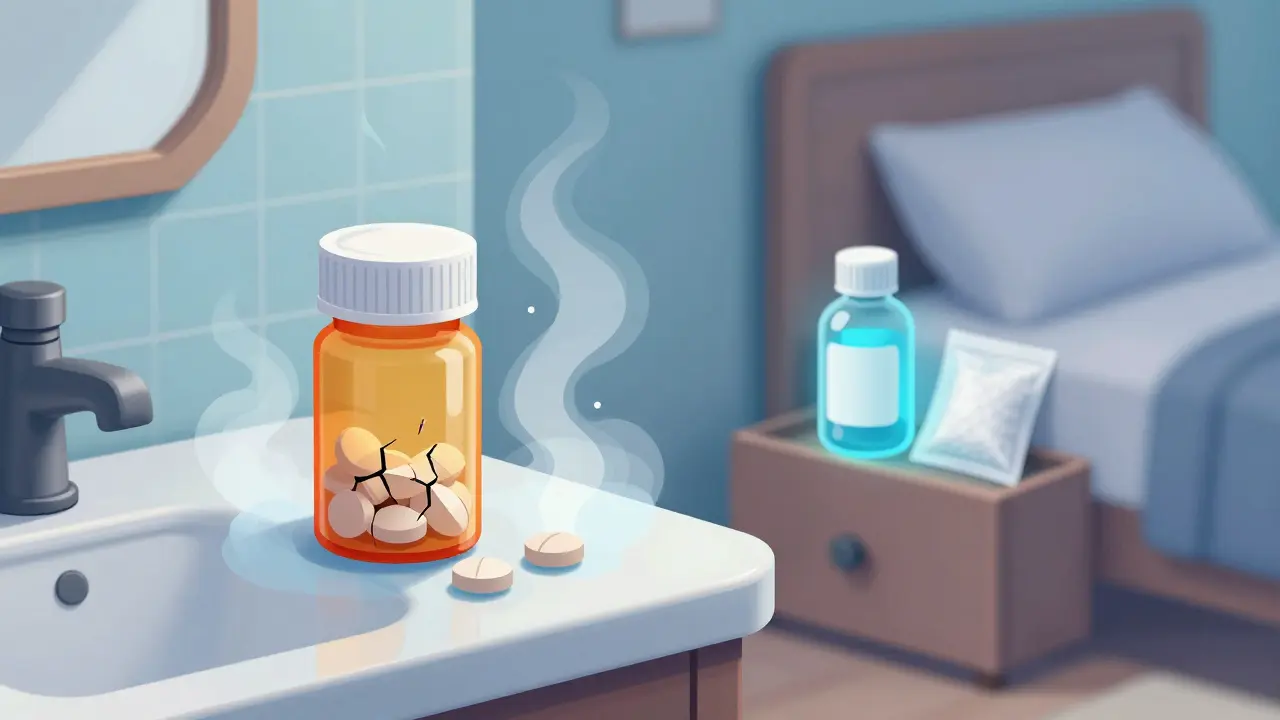
Learn how to stop moisture from ruining your pills and capsules with three proven layers of protection: film coating, proper packaging, and silica gel desiccants. Essential for humid climates like Wellington.
View More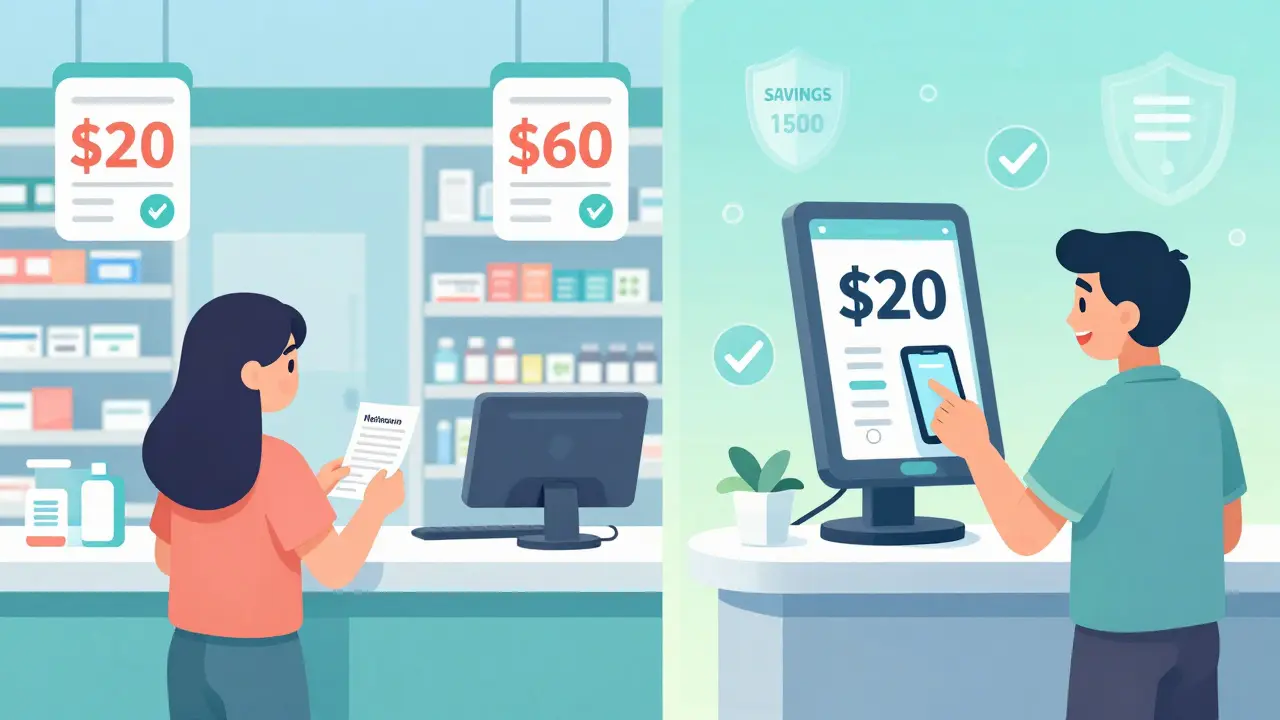
Generic drug prices online can be up to 80% cheaper than retail pharmacies. Learn how e-pharmacy discount services like Beem and GoodRx cut out middlemen to deliver real savings on common prescriptions.
View More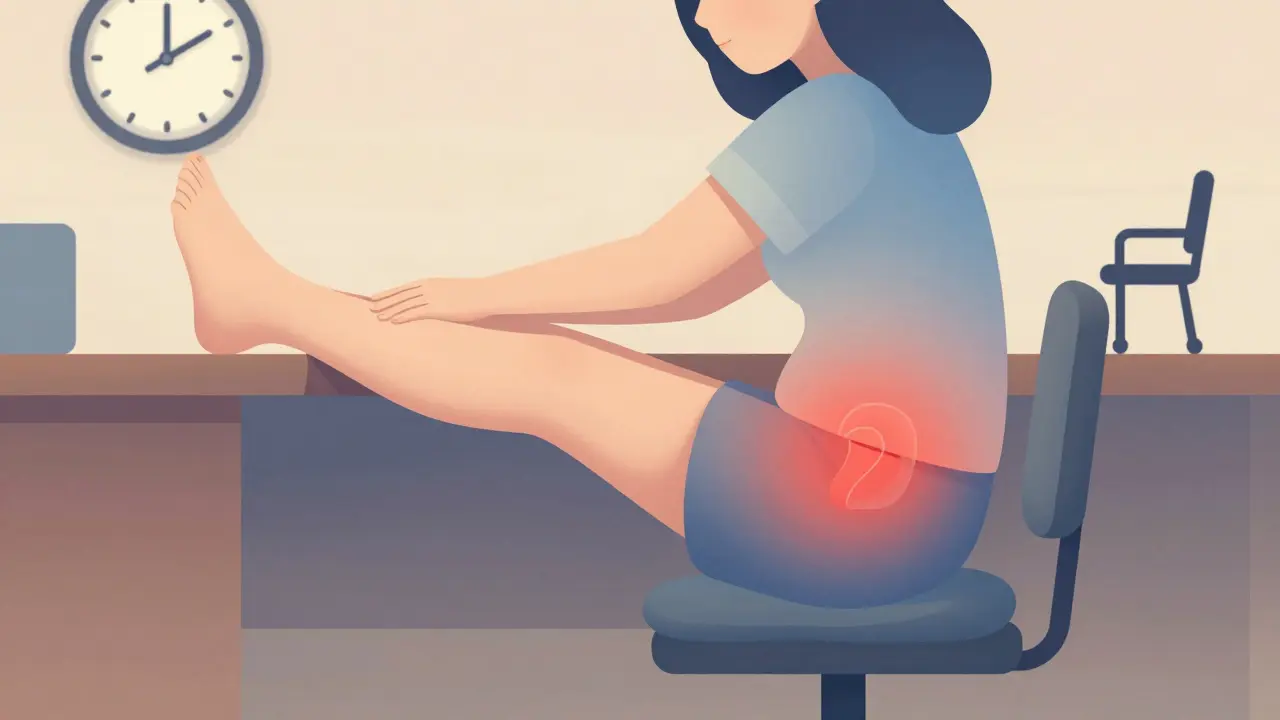
Hip pain from labral tears and arthritis doesn't have to mean surgery. Learn how smart activity changes - like avoiding deep flexion and switching to low-impact exercise - can reduce pain, delay progression, and help you stay active without drugs or operations.
View More