
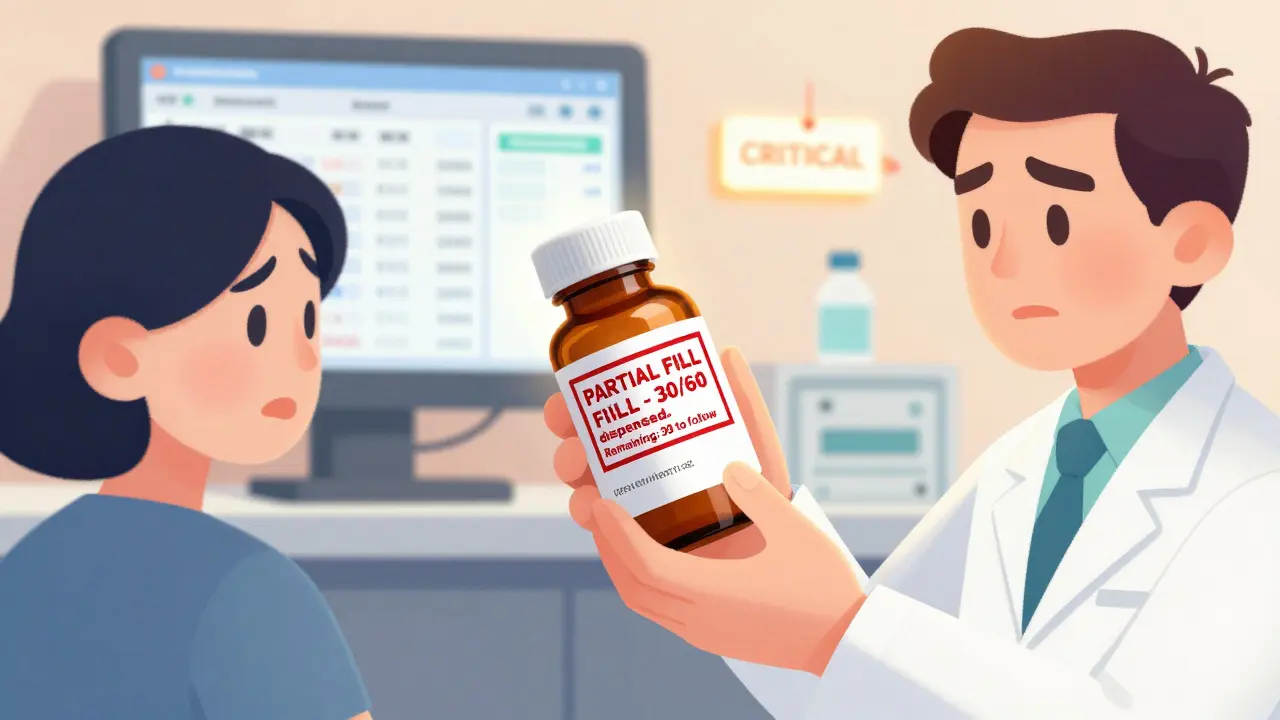
When a patient’s prescription can’t be filled completely right away, it’s not just a delay-it’s a risk. A partial fill or back-order in a pharmacy isn’t like a delayed online order for socks. It’s a medication. Missed doses, wrong dosages, or confusion over what’s been shipped can lead to real harm. Yet, many pharmacies still treat these situations like minor inconveniences, not critical safety events. The truth? How you handle partial fills and back-orders determines whether a patient stays safe-or ends up in the ER.
Why Partial Fills and Back-Orders Happen in Pharmacies
It’s not always about stock shortages. Sometimes, a pharmacy runs out of a specific strength-say, 10mg tablets when the script calls for 15mg. Other times, the drug is on back-order because the manufacturer had a production delay. Insurance restrictions can also force partial fills; for example, a 90-day supply might be split into two 30-day fills with a 30-day gap in between. In rural areas, it’s common for pharmacies to rely on just one or two distributors, so a single supply chain hiccup can ripple through dozens of orders.
According to a 2024 review by the New Zealand Pharmacy Council, 12% of all dispensed prescriptions in community pharmacies involved some form of partial fulfillment or delayed delivery. The biggest cause? Inventory misalignment between what’s in the system and what’s on the shelf. A 2023 study from FIDELITONE found that pharmacies using manual inventory logs had a 23% error rate in tracking partial fills, compared to just 4% for those using real-time digital systems.
The Three Rules of Safe Partial Fills
There’s no room for guesswork. When you can’t fill the full prescription, you need a clear, repeatable system. Here are the three non-negotiable rules:
- Always document what was dispensed-and what wasn’t. If a patient ordered 60 tablets and you only had 30, write it down. Not just in your head. Not just on a sticky note. Use your pharmacy system to flag the remaining 30 as a back-order. This isn’t optional-it’s a legal record.
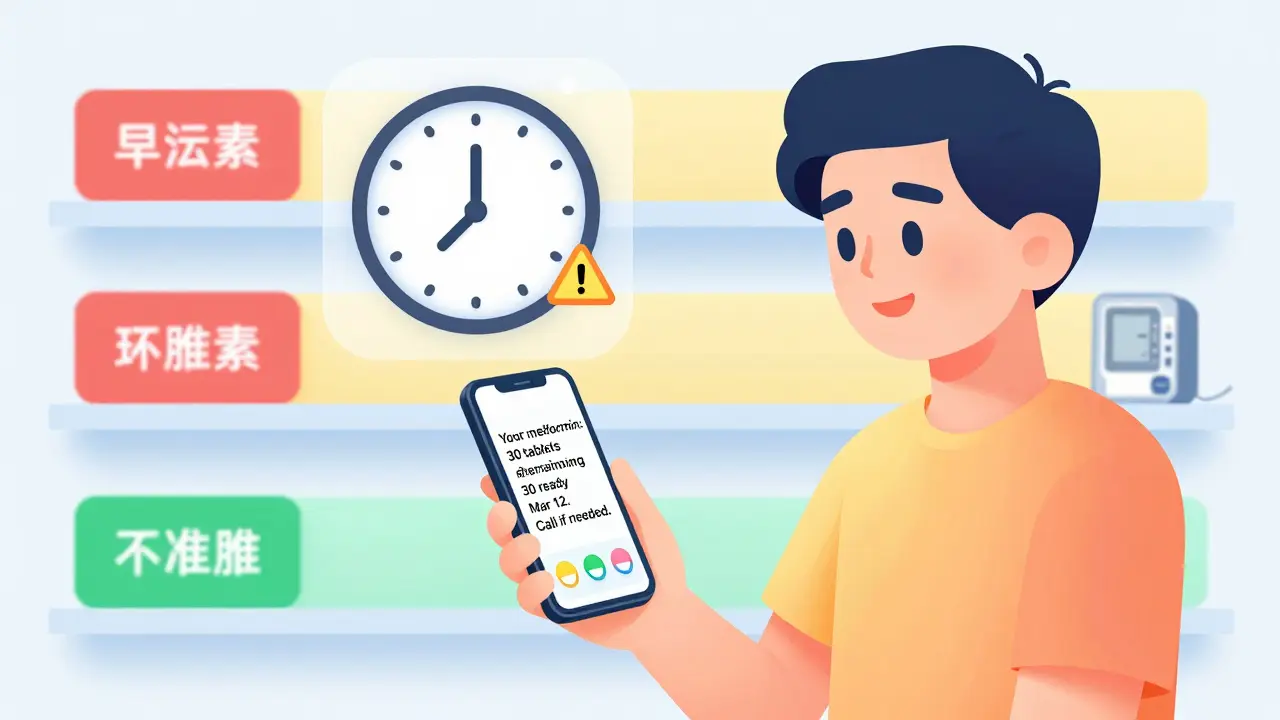
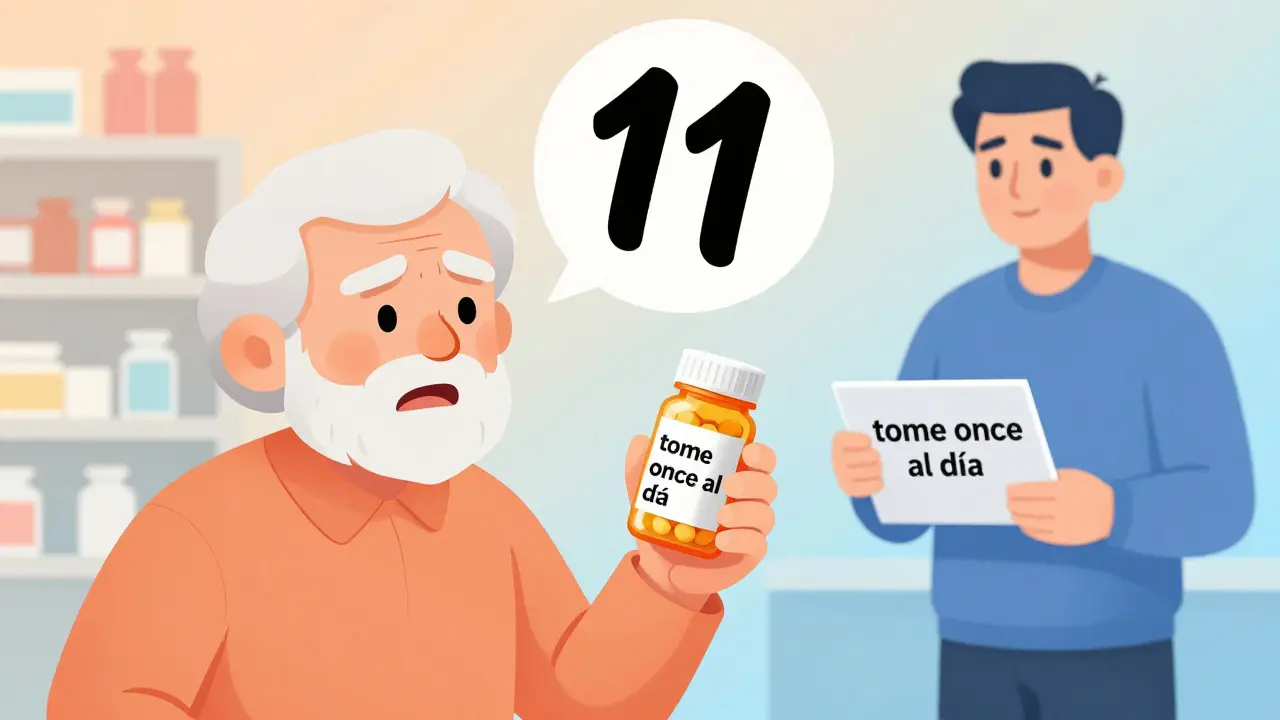
- Never assume the patient knows. Don’t expect them to check their portal or remember what was left. Call them. Or send a text. A simple message: "Your prescription for metformin 500mg has been partially filled. 30 tablets shipped. Remaining 30 will be ready by March 12. Call if you need help." This cuts confusion by over 70%, according to a 2024 survey of 400 NZ patients.
- Don’t ship partial orders without clear labeling. The vial or bottle must say: "PARTIAL FILL - 30/60 tablets dispensed. Remaining: 30 to follow." If it doesn’t, someone-maybe a nurse, maybe a caregiver-will assume the full dose was given. That’s how overdoses start.
Back-Orders: When Delayed Isn’t Just Delayed
Back-orders aren’t just "we’ll get it next week." They’re a ticking clock. The longer a patient waits, the higher the risk of non-adherence, worsening symptoms, or hospitalization. The average patient waits 3.7 days for a back-ordered prescription in New Zealand, according to the 2025 Health Services Report. But if that prescription is for insulin, anticoagulants, or seizure meds? Three days can be too long.
Here’s how to manage back-orders safely:
- Set a hard deadline. If you can’t get the medication within 7 days, notify the patient immediately. Offer alternatives: a different brand, a substitute (if clinically safe), or a temporary supply from another pharmacy. NetSuite’s 2024 pharmacy guidelines recommend a 5-day max for chronic meds, 10 days for others.
- Never auto-approve back-orders for high-risk drugs. Medications like warfarin, lithium, or insulin should require manual review. If a back-order triggers for one of these, the system should pause and alert the pharmacist before any action is taken.
- Use FIFO-First In, First Out. When new stock arrives, don’t put it on the shelf and forget it. Use the oldest stock first. This prevents expired meds from being accidentally dispensed later. FIDELITONE’s data shows pharmacies using FIFO reduced back-order errors by 41% and cut waste by 28%.
How Systems Can Prevent (Not Just Track) Errors
Manual processes fail. Paper logs get lost. Memory fades. The best pharmacies don’t rely on people to remember-they build systems that force accuracy.
Here’s what works:
- Real-time inventory sync. Your system must update within 10 seconds of a pill count. If you’re using a system that only updates once a day? You’re playing Russian roulette with patient safety.
- Separate invoices for partial shipments. If you dispense 30 tablets today and 30 tomorrow, generate two invoices. One for today’s fill. One for tomorrow’s. Link them to the same original prescription number. This prevents billing confusion and insurance disputes.
- Automated patient alerts. Set up your system to auto-send SMS or email when: a partial fill occurs, a back-order is confirmed, or a back-order is ready. Include: what was shipped, what’s left, when it’s coming, and how to call for help.
- Tag back-ordered items. Use color-coded tags in your system: Red = Critical (e.g., insulin), Yellow = High Priority (e.g., blood pressure meds), Green = Standard. This helps staff prioritize.
What Not to Do
There are dangerous shortcuts. Avoid these at all costs:
- Don’t combine multiple back-orders into one shipment. If Patient A is waiting for metformin and Patient B for lisinopril, don’t bundle them. Mixing medications in one bag is a recipe for error.
- Don’t assume the prescriber knows. If a doctor writes for 90 tablets and you only send 30, don’t assume they’ll notice. Notify them too. A quick note in the electronic record: "Partial fill: 30/90 dispensed. Back-order: 60 pending."
- Don’t charge the patient until the full order is fulfilled. Charging upfront for a back-ordered item creates distrust. Wait until the last piece ships. This builds trust-and avoids refund headaches.
Training and Culture: The Hidden Key
Even the best system fails if staff aren’t trained. In 2024, a review of 120 NZ pharmacies found that those with monthly back-order drills had 65% fewer dispensing errors than those that trained once a year.
Train your team on:
- How to read back-order alerts in the system
- When to escalate to a pharmacist (not a tech)
- How to explain delays without sounding dismissive
- What to do when a patient shows up asking for their "missing" pills
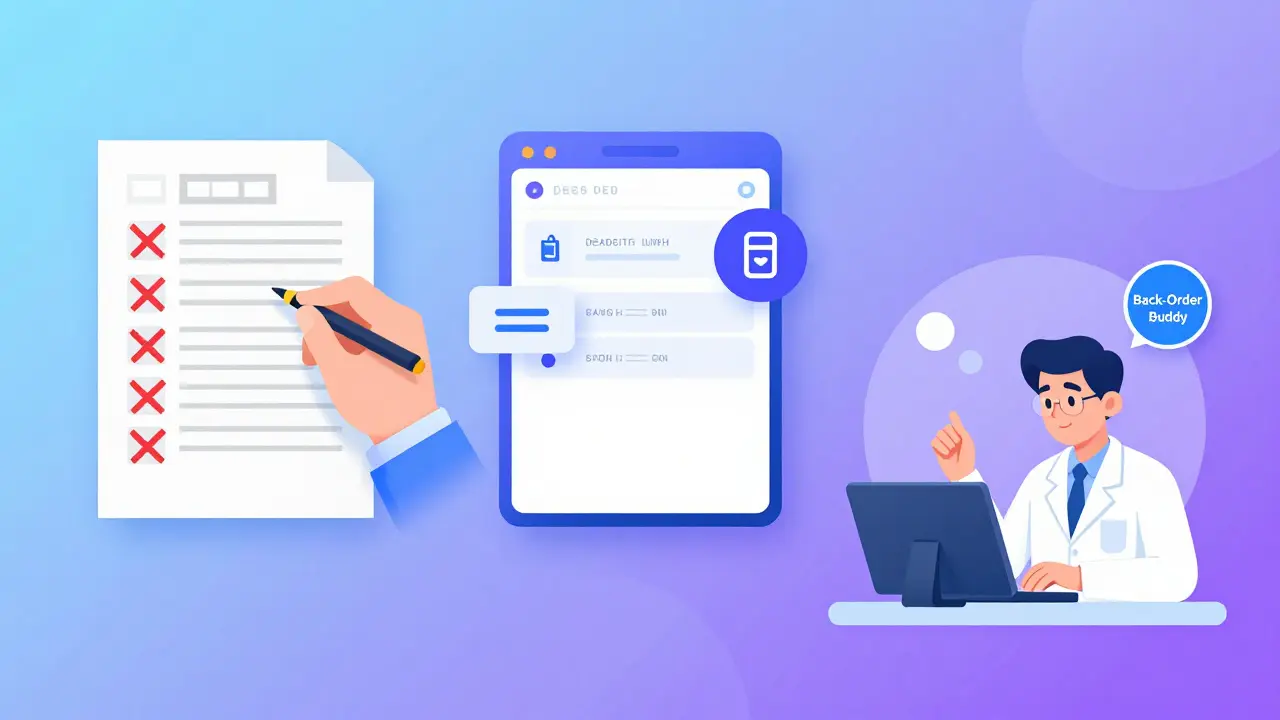
One pharmacy in Wellington started a "Back-Order Buddy" system: each pharmacist is paired with a tech. They review all partial fills together every morning. Within 6 months, their error rate dropped by 52%.
What’s Next: AI and the Future of Back-Order Management
By 2026, AI won’t just predict back-orders-it’ll prevent them. New systems can now analyze: seasonal demand, supplier lead times, insurance changes, and even weather patterns (yes, floods disrupt delivery routes). NetSuite’s 2024 update shows AI-driven pharmacies reduce unexpected back-orders by 41%.
Some systems now suggest substitutes automatically. If your stock of brand-name atorvastatin runs out, the system might suggest a generic-and if the patient’s record shows no allergy or interaction, it flags it for approval. This cuts delays and keeps patients on therapy.
But technology is only as good as the rules behind it. The goal isn’t to eliminate back-orders. It’s to make them safe, transparent, and patient-centered.
What’s the difference between a partial fill and a back-order?
A partial fill happens when you dispense part of the prescription right away-say, 30 of 60 tablets-because that’s all you have. A back-order is when you don’t have the item at all, so you promise to deliver it later once stock arrives. Both require documentation, but back-orders need a clear ETA and patient notification.
Can I charge the patient for a back-ordered item before it ships?
No. Charging upfront increases the chance of disputes, refunds, and lost trust. Best practice is to only bill when each portion ships. This matches real-world delivery and reduces patient complaints by over 30%, according to BetterCommerce.io’s 2023 pharmacy survey.
How long should I wait before notifying a patient about a back-order?
For chronic medications (like blood pressure or diabetes drugs), notify within 24 hours if the delay exceeds 3 days. For other meds, 5 days is the max. Beyond that, offer alternatives or help finding another pharmacy. Waiting too long is a safety risk.
What if a patient needs the medication immediately and it’s on back-order?
Have a plan. Keep a small stock of common substitutes or use a partner pharmacy network. In New Zealand, many community pharmacies have reciprocal agreements to cover emergencies. Always document the transfer and notify the prescriber. Never let a patient go without critical meds because of bureaucracy.
Do I need to report partial fills or back-orders to regulators?
Not directly-but you must keep records. The New Zealand Pharmacy Council requires all partial fills and back-orders to be documented in your system for at least 7 years. If an error occurs later, your records are your defense. Don’t assume "it’s just a delay"-it’s a legal event.
Final Thought: It’s Not About Inventory. It’s About Trust.
Every time a patient calls asking, "Where’s my medicine?", they’re not just asking about stock. They’re asking: "Do you care?"
Handling partial fills and back-orders without errors isn’t about having the right software. It’s about having the right process-and the right mindset. It’s about knowing that behind every back-order is someone waiting for their next dose. And that wait? It shouldn’t be silent. It shouldn’t be confusing. It shouldn’t be risky.
Get the system right. Train your team. Communicate clearly. And never assume someone else will handle it.


Janelle Pearl
March 9, 2026 AT 12:14I’ve worked in community pharmacies for over 15 years, and this post nails it. The biggest thing I see? Staff treating partial fills like paperwork, not patient care. I once had a tech hand a patient their med without telling them it was only half the dose. They took it all at once. Ended up in the ER. We fixed it with a simple text alert system. No more guesswork. Just clarity.
And labeling? If your bottle doesn’t say PARTIAL FILL, you’re asking for trouble. I’ve seen nurses assume the full dose was given because the label looked normal. One mistake. One life changed forever.
Don’t wait for tragedy to change your process. Start today. Talk to your patients. Flag everything. It’s not extra work-it’s the work.
Neeti Rustagi
March 10, 2026 AT 22:53This is precisely why pharmacy education in developing nations must evolve. In India, many rural pharmacies still use handwritten ledgers. No digital tracking. No alerts. Patients are told, 'Come back next week,' with no documentation. The result? Non-adherence rates skyrocket, especially for diabetes and hypertension. We need standardized protocols, not just good intentions.
Also, the 7-year record retention rule? Brilliant. In many countries, records are shredded after 1 year. That’s not just negligent-it’s dangerous. Thank you for highlighting legal accountability. This should be mandatory globally.
Dan Mayer
March 12, 2026 AT 13:27Ray Foret Jr.
March 12, 2026 AT 20:26Also, the "Back-Order Buddy" system? I’m stealing that. My whole team’s gonna love it. 🥹 Thanks for this!
Samantha Fierro
March 14, 2026 AT 14:42As a pharmacy operations director, I can confirm the data presented here is accurate. Our own internal audit, conducted last quarter, revealed a 58% reduction in patient complaints after implementing automated SMS alerts for partial fills. The most surprising finding? Patients didn’t even mind the delay-they hated the silence.
Training is non-negotiable. We now conduct biweekly role-play scenarios: "Patient arrives, demanding their missing insulin." The difference between a scripted response and a genuine, calm, informed one? Night and day.
Systems don’t prevent errors. People do. But systems empower people to do their job right. This post is a blueprint.
Robert Bliss
March 15, 2026 AT 18:00Peter Kovac
March 16, 2026 AT 15:56Let’s be honest-the entire premise of this article is built on a false dichotomy. You claim partial fills are "critical safety events," yet you provide no data on actual harm caused. The 12% partial fill statistic? That doesn’t equate to adverse events. Correlation ≠ causation.
Furthermore, the "three rules" are not novel. They’ve been standard in accredited pharmacies since 2010. This reads like a marketing whitepaper for pharmacy software vendors. The real issue? Understaffing. Not labeling.
Stop sensationalizing. Start addressing root causes: inadequate reimbursement, workforce shortages, and broken supply chains. This is performative compliance dressed as safety.
APRIL HARRINGTON
March 18, 2026 AT 04:42Leon Hallal
March 19, 2026 AT 21:44Judith Manzano
March 20, 2026 AT 04:52I love how this post emphasizes communication over technology. I’m a pharmacist in a small town, and we don’t have fancy AI. But we do have relationships. I call every patient with a partial fill. Sometimes they’re just lonely. Sometimes they’re scared. Sometimes they just need to hear a human voice say, "I’ve got you."
One elderly man told me last week, "You’re the only one who checks on me anymore." That’s why we do this. Not because the system says so. Because people matter.
rafeq khlo
March 21, 2026 AT 01:33Tom Sanders
March 23, 2026 AT 01:05