
Gut Microbiome Drug Interaction Checker
Check Your Medication
Enter your medication below to see if your gut bacteria might be affecting how it works.
Interaction Results
Select a medication and click "Check Interaction" to see how gut bacteria might affect this drug.
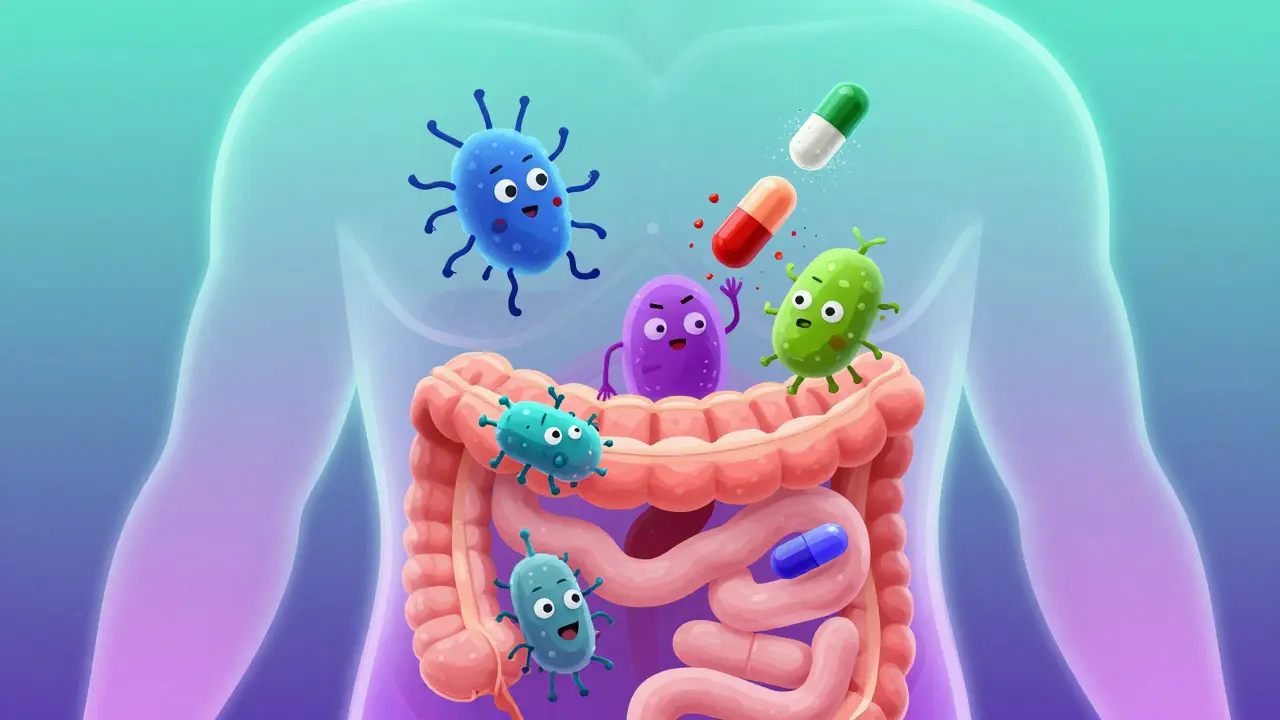
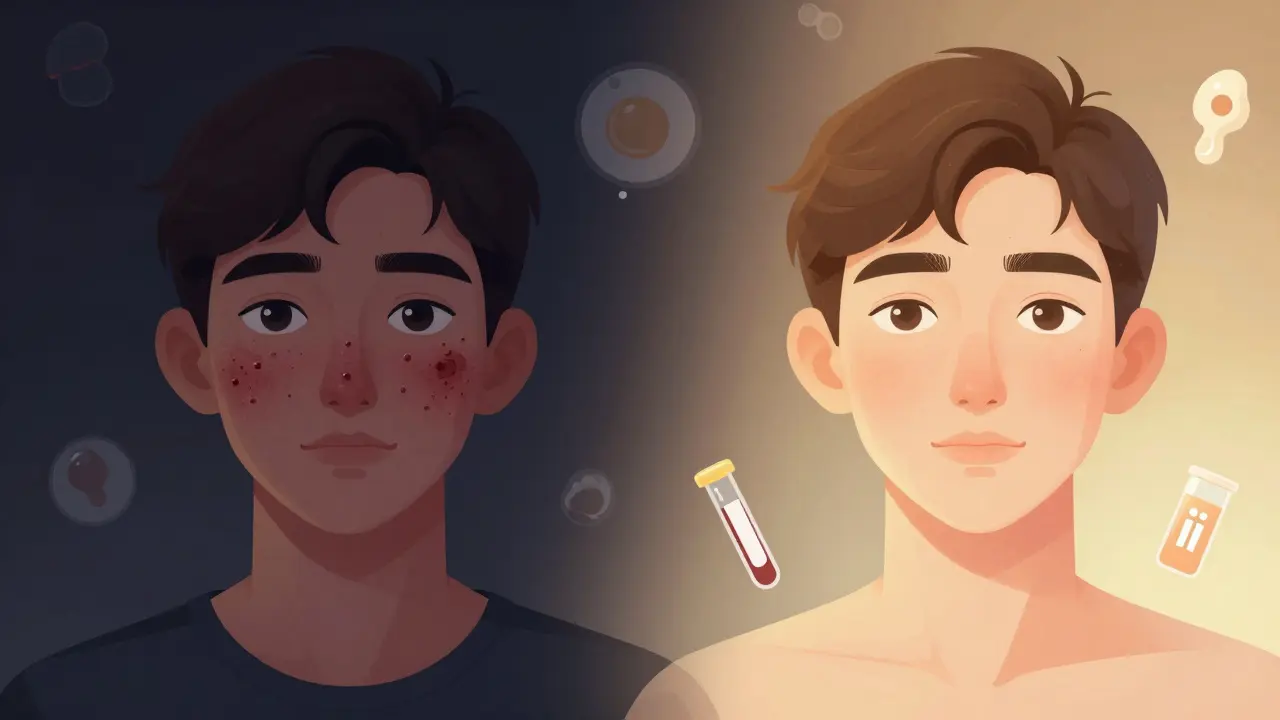
Have you ever taken a medication that worked perfectly for someone else but made you feel awful? You weren’t alone. For years, doctors blamed individual differences in liver function or kidney clearance. But the real answer might be living inside you - in your gut. The trillions of bacteria there don’t just digest food. They rewrite how drugs work - sometimes turning them into poisons, other times making them useless.
What the Gut Bacteria Do to Your Pills
Your gut isn’t just a tube for food. It’s a chemical factory packed with over 100 trillion bacteria. These microbes don’t sit still. They produce enzymes that interact with drugs in ways human cells never could. In fact, a landmark 2019 study from Yale found that gut bacteria were responsible for 20% to 80% of toxic drug metabolites circulating in the blood. That means for some medications, your body’s own cells aren’t the problem - your gut bugs are. Take irinotecan, a chemotherapy drug used for colon cancer. It’s designed to kill tumor cells, but it also causes severe, sometimes life-threatening diarrhea in 25-40% of patients. Why? Because gut bacteria produce an enzyme called beta-glucuronidase. This enzyme reactivates a harmless metabolite of irinotecan (SN-38-glucuronide) back into its toxic form (SN-38). The result? Severe gut damage. Studies show that patients with higher levels of this enzyme have 87% more severe diarrhea. It’s not a dosage error. It’s a microbial mismatch. Another example: digoxin, a heart medication. About 30% of people break down digoxin unusually fast - so fast the drug doesn’t work. Researchers found this was due to a single bacterial species, Eggerthella lenta. This bug uses a specific enzyme to reduce digoxin into an inactive form. If you have it, your pill might as well be sugar. And then there’s the opposite problem - drugs that need bacteria to work at all. Prontosil, an early antibiotic, is completely inactive until gut bacteria break it down into sulfanilamide. In mice without gut microbes, the drug’s effectiveness dropped from 90% to just 12%. No bugs? No medicine.Why This Changes Everything About Drug Safety
Traditional drug testing assumes everyone’s body processes medicine the same way. But the microbiome breaks that assumption. A 2023 review in Nature found that gut bacteria affect the metabolism of at least 117 commonly prescribed drugs. Of those, 82% become less effective, and 18% become more toxic depending on your microbial makeup. This isn’t theoretical. In the U.S., over 1.3 million emergency room visits each year are caused by adverse drug reactions. A significant portion of those - especially the ones that seem random - are likely tied to microbiome differences. Consider clonazepam, a drug for seizures and anxiety. Germ-free mice (mice raised without any gut bacteria) had 40-60% higher levels of the drug in their blood than normal mice. That means the same dose could be too strong for someone with a low-metabolizing microbiome - and too weak for someone whose bugs break it down too fast. Even statins, used to lower cholesterol, aren’t safe from this. A 2014 study showed that long-term antibiotic use - which wipes out gut bacteria - reduced lovastatin’s effectiveness by 35%. Patients ended up with higher cholesterol than expected, not because their liver wasn’t working, but because their microbes were gone.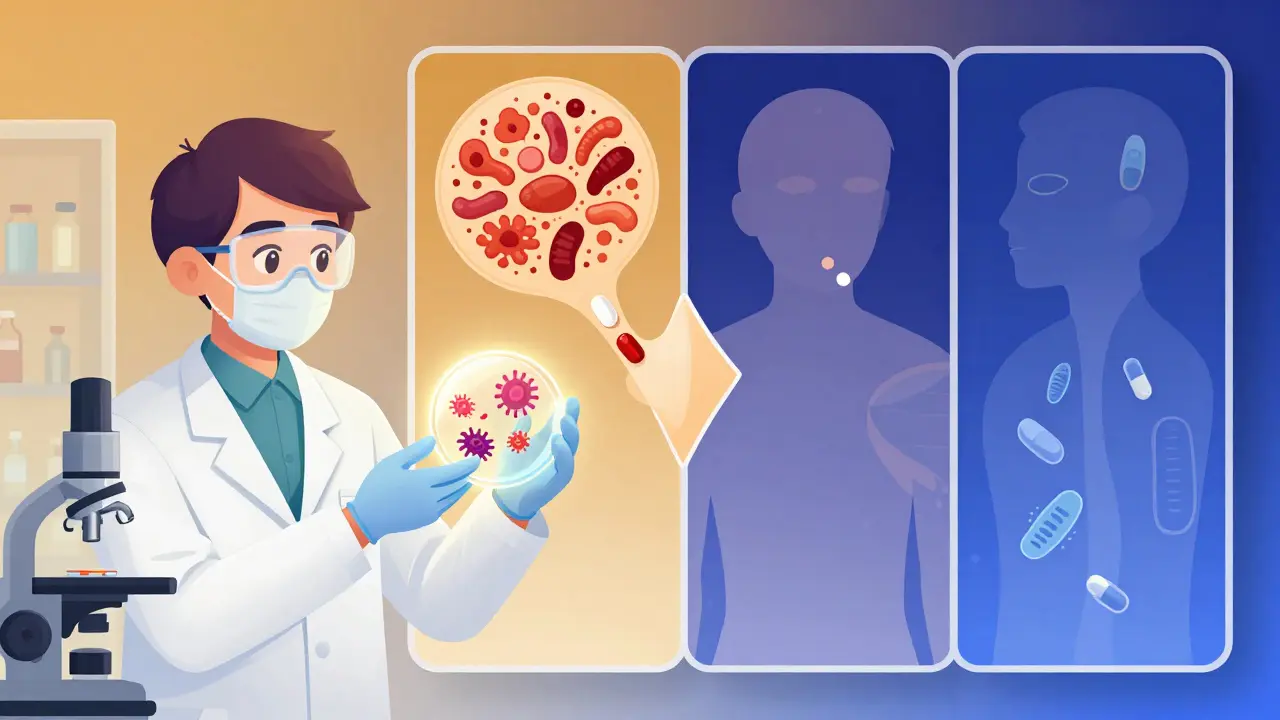
How Scientists Are Measuring Your Microbial Drug Response
If your gut bacteria can change how a drug works, how do doctors know what’s in there? The answer lies in three main methods:- Metagenomic sequencing - This costs $300-$500 and identifies which bacterial genes are present. It can detect whether you carry the genes for beta-glucuronidase, azoreductase, or other drug-altering enzymes with 95% accuracy.
- Fecal microbial transplantation (FMT) - While mostly used for C. diff infections, researchers are testing if swapping gut microbes can fix drug metabolism problems. A single FMT procedure costs $3,000-$6,000, but early trials show it can restore normal drug processing.
- Enzyme inhibitors - Scientists are developing drugs that block specific bacterial enzymes. For example, a beta-glucuronidase inhibitor is now in Phase II trials (NCT04216417). In early tests, it cut chemotherapy-induced diarrhea by 60% without affecting the drug’s cancer-killing power.
What This Means for Your Next Prescription
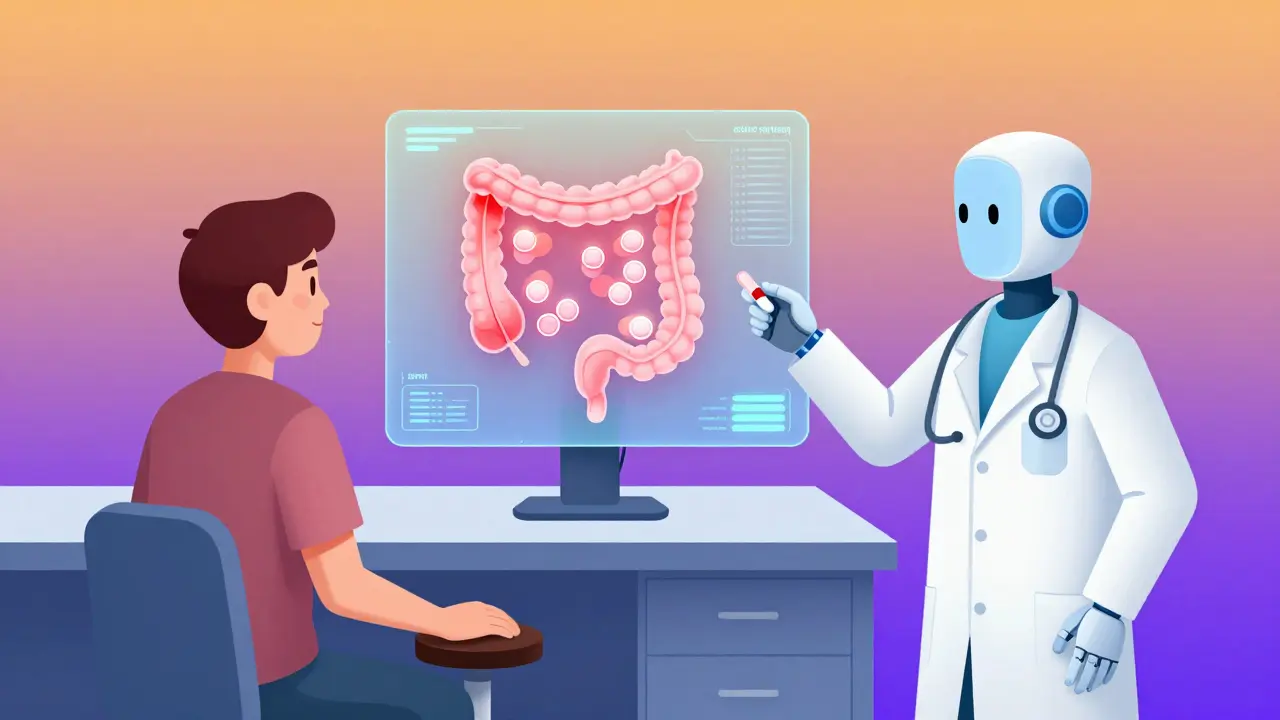
Pharmaceutical companies are already changing how they test drugs. Since 2020, Pfizer, Merck, and others have added microbiome screening to Phase I clinical trials. It adds about $2.5 million to development costs, but it could prevent $500 million in lawsuits and recalls later. The FDA issued draft guidance in 2022 recommending microbiome testing for drugs with narrow therapeutic windows - like blood thinners, anti-seizure meds, and chemotherapy agents. The European Medicines Agency now requires it for all new cancer drugs. In oncology, 65% of new drug applications now include microbiome data. Neurology and cardiology are catching up, with 42% and 31% respectively. The goal isn’t to stop using these drugs - it’s to use them smarter. Imagine a future where your doctor doesn’t just check your liver enzymes before prescribing a drug. They also check your gut. A simple stool test could reveal if you’re at risk for toxicity or treatment failure. Based on that, they might:- Adjust your dose
- Prescribe a bacterial inhibitor alongside your medication
- Recommend a short course of probiotics to block harmful enzymes
- Choose a different drug entirely
What You Can Do Right Now
You can’t change your microbiome overnight. But if you’re on a medication with known side effects - especially chemotherapy, heart drugs, or antidepressants - there are steps you can take.- Ask your doctor if your drug is known to interact with gut bacteria. The list includes irinotecan, digoxin, clonazepam, levodopa, and many others.
- Don’t take antibiotics unless necessary. They don’t just kill bad bugs - they wipe out the ones that help process your meds.
- Keep a symptom log. If you notice new side effects after starting a drug - especially diarrhea, nausea, or dizziness - note it. That pattern could point to a microbial interaction.
- Don’t self-prescribe probiotics. Not all probiotics help. Some might make things worse. For example, a probiotic containing Eggerthella lenta could reduce digoxin effectiveness.
The Future: Personalized Microbiome Medicine
The next big leap? Microbiome-informed dosing algorithms. By 2027, researchers expect these tools to reduce adverse drug reactions by 25-35%. Clinical trials are already testing personalized probiotics designed to turn off harmful enzymes. One such trial (NCT05102805) is testing a probiotic blend that blocks beta-glucuronidase in cancer patients - and early results look promising. The NIH has invested $14.7 million between 2023 and 2025 to accelerate this research. That’s not just funding - it’s a signal that this field is moving from lab curiosity to clinical reality. The bottom line? Your gut bacteria aren’t just along for the ride. They’re co-pilots in how your drugs work. What’s next isn’t just better medicine. It’s medicine that knows you - not just your genes, but your microbes too.Can probiotics help reduce drug side effects caused by the microbiome?
Some probiotics might help, but not all. For example, probiotics designed to block beta-glucuronidase - the enzyme that reactivates toxic irinotecan metabolites - are in clinical trials and show promise. But common store-bought probiotics often contain strains that don’t target these enzymes. In fact, some might make things worse. Always consult your doctor before using probiotics with prescription drugs.
Do antibiotics always interfere with drug metabolism?
Not always, but they often do. Antibiotics wipe out large parts of the gut microbiome, which can stop bacteria from activating prodrugs like prontosil or from breaking down others like digoxin. A 2014 study showed antibiotics reduced lovastatin’s effectiveness by 35%. Even short courses can have lasting effects, so avoid them unless absolutely necessary - especially if you’re on a medication with narrow therapeutic effects.
Is there a test to check if my gut bacteria affect my medications?
Yes, but it’s still mostly in research settings. Metagenomic sequencing can identify bacterial genes linked to drug metabolism, like beta-glucuronidase or azoreductase. These tests cost $300-$500 and are available through some specialized labs. They’re not yet routine in clinics, but as research proves their value, they’re expected to become standard for high-risk drugs like chemotherapy and heart medications.
Why do some people have severe side effects while others don’t?
It’s often not about dosage or genetics alone. Two people taking the same drug can have wildly different outcomes because of their gut microbes. One person might have high levels of an enzyme that turns the drug toxic, while another has none. This explains why 15-20% of patients on certain drugs - like the one studied by Yale - experience severe reactions while others don’t. The microbiome is a major missing piece in drug safety.
Will future prescriptions include microbiome data?
Yes, especially for high-risk drugs. The FDA and EMA now recommend or require microbiome interaction studies for new oncology and narrow-therapeutic-index drugs. Within the next 5-7 years, stool tests may become part of pre-prescription screening - similar to how we test liver enzymes today. This will help doctors choose the right drug and dose for your unique microbial profile.

Sophia Rafiq
February 28, 2026 AT 13:04Miranda Anderson
February 28, 2026 AT 14:27Martin Halpin
March 1, 2026 AT 18:42Charity Hanson
March 2, 2026 AT 15:43Sumit Mohan Saxena
March 2, 2026 AT 22:34Vikas Meshram
March 3, 2026 AT 09:33Ben Estella
March 5, 2026 AT 00:14Jimmy Quilty
March 6, 2026 AT 05:39Gigi Valdez
March 7, 2026 AT 20:38Byron Duvall
March 9, 2026 AT 12:35Katherine Farmer
March 9, 2026 AT 13:22Angel Wolfe
March 11, 2026 AT 09:54Justin Ransburg
March 13, 2026 AT 00:02Brandon Vasquez
March 13, 2026 AT 18:56