
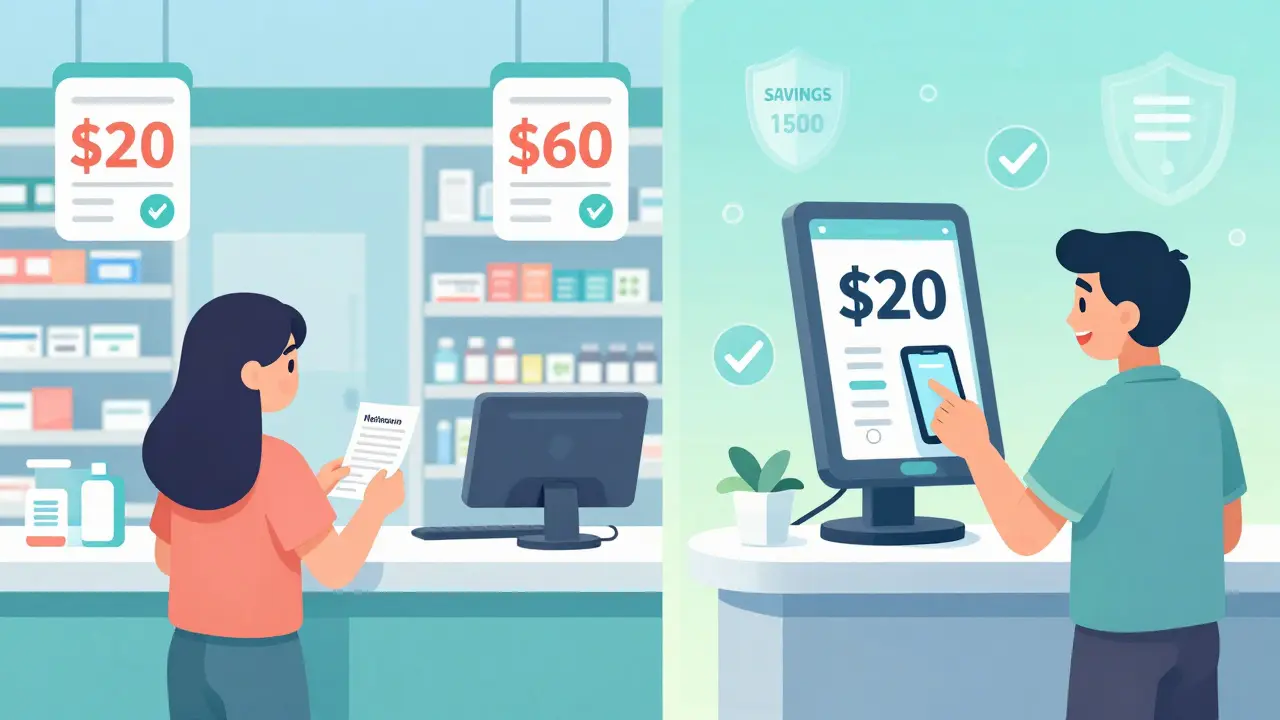
Buying generic medications online can save you hundreds of dollars a year-sometimes more than half the price you’d pay at your local pharmacy. If you’ve ever been shocked by the cost of your prescription at the counter, you’re not alone. The truth is, generic drug prices vary wildly depending on where you buy them. A 30-day supply of metformin might cost $60 at CVS, but only $20 through an online discount service. That’s not a typo. This isn’t about insurance. This is about cash prices, and the gap between online and retail is growing bigger every year.
Why Retail Pharmacies Charge So Much
Traditional pharmacies don’t set prices based on what they paid for the pills. They use a formula most people don’t even know exists: Average Wholesale Price (AWP) plus a markup and a dispensing fee. Think of it like this: AWP is a list price created by drug distributors, not the real cost. Then they add 20% on top, plus a $5 fee just for handing you the bottle. That’s how a $10 pill becomes $60. This system works fine if you’re covered by insurance-your plan negotiates a discounted rate behind the scenes. But if you’re paying cash, you’re stuck with the full inflated price. And that’s where things get unfair. A 2023 analysis from Trybeem found that for common generics like Lipitor (atorvastatin), Amoxicillin, and Metformin, retail pharmacies were charging 3 to 5 times more than what you’d pay through an online discount platform.How E-Pharmacies Slash Prices
Online platforms like Beem, GoodRx, and SingleCare don’t sell drugs themselves. They act as price matchmakers. They negotiate directly with pharmacies-big chains and small independents alike-to lock in fixed, transparent prices. No AWP. No hidden markups. Just a flat rate you can see before you click "buy." These platforms bypass pharmacy benefit managers (PBMs), the middlemen that control pricing in traditional insurance networks. PBMs take cuts, negotiate secret deals, and often leave patients paying more. Online services cut them out entirely. That’s why Beem claims savings of up to 80% compared to retail, and why you’ll often find prices 50-67% lower than even GoodRx for the same medication. For example:- Lipitor (Atorvastatin) 20mg, 30 tablets: $250 at CVS, $50 online
- Metformin (500mg), 30 tablets: $60 retail, $20 online
- Amoxicillin (500mg), 30 capsules: $30 retail, $10 online
Who Benefits the Most?
The biggest winners are people without insurance, underinsured patients, or those on high-deductible plans. For them, the difference between retail and online isn’t just helpful-it’s life-changing. A 2023 Ohio State University study found that for 76% of medications, the yearly out-of-pocket cost difference between online and insured retail was under $200. But for uninsured patients, the savings were dramatic. One patient paying $2,185 a year for fingolimod at a retail pharmacy could get it for under $600 through an online service. Even people with insurance can benefit. Sometimes, your insurance copay is higher than the cash price you’d get online. That’s right. If your plan has a $40 copay for a medication that’s $15 online, you’re better off paying cash. Always check.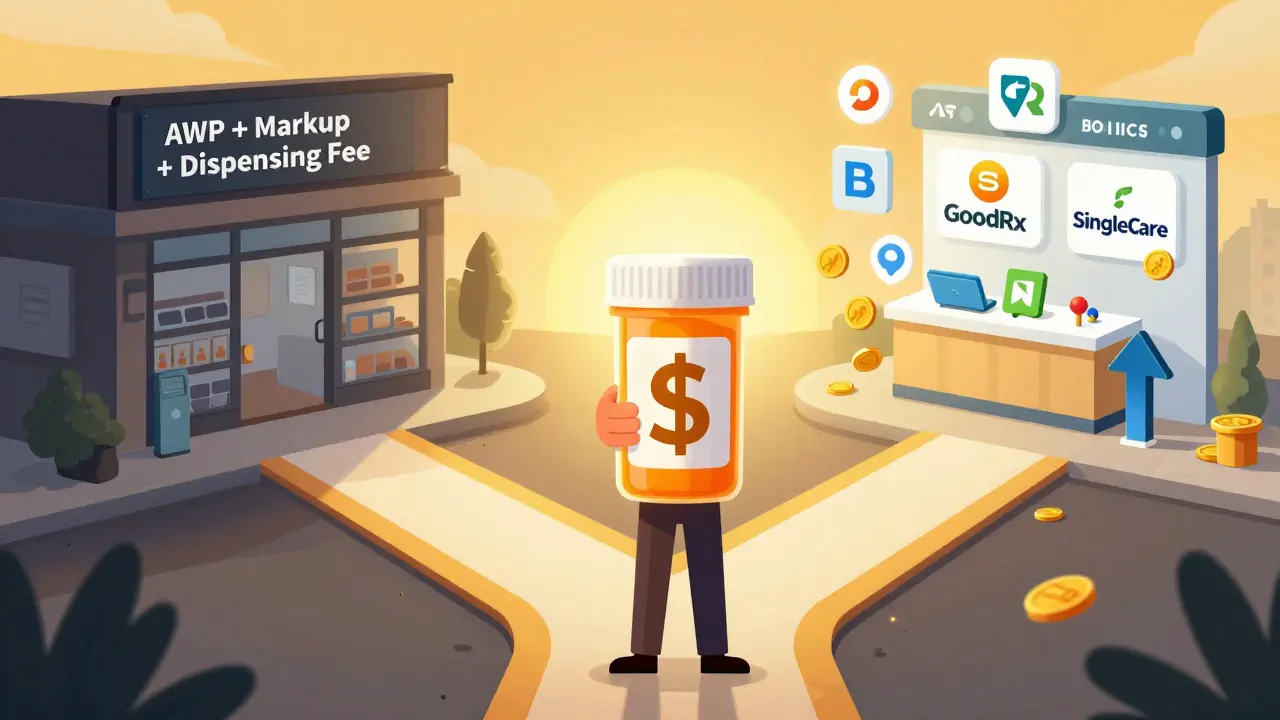
What About Specialty Drugs?
Not all medications are created equal. For common generics-blood pressure pills, antibiotics, diabetes meds, cholesterol drugs-online platforms are unbeatable. But for complex, high-cost specialty drugs like glatiramer acetate or cyclosporine, the savings are smaller. These drugs often require special handling, refrigeration, or monitoring, and fewer pharmacies participate in discount programs. Still, even for these, online options can be 30-50% cheaper than retail. Mark Cuban’s Cost Plus Drug Company, for instance, charges a fixed 15% markup on the cost of the drug plus a $5 flat fee. No AWP. No middlemen. Just transparency.Convenience vs. Cost
Sure, walking into a local pharmacy lets you talk to a pharmacist on the spot. You can ask questions, get advice, or pick up a refill the same day. That’s a real advantage. But for most people taking routine maintenance meds, that convenience doesn’t outweigh the cost. Online platforms make refills easy. You can check prices on your phone, order with one click, and pick up at a nearby pharmacy that’s already in their network. Many offer refill reminders, delivery options, and even free shipping. For someone with mobility issues, a busy schedule, or living in a rural area, this isn’t just convenient-it’s essential.The Bigger Picture
This isn’t a fluke. The pharmacy market is shifting fast. In 2017, mail-order pharmacies already made up 37% of all prescription sales. By 2029, the global mail-order market is projected to hit $249 billion, growing at 18.2% per year. That’s not because people are lazy. It’s because they’re smart. They’re choosing value. The J.D. Power 2025 U.S. Pharmacy Study found that satisfaction with mail-order pharmacies is rising steadily. More people are discovering that they don’t need to overpay just because their local pharmacy says so. And as more consumers demand transparency, the pressure on traditional retail pricing will only increase.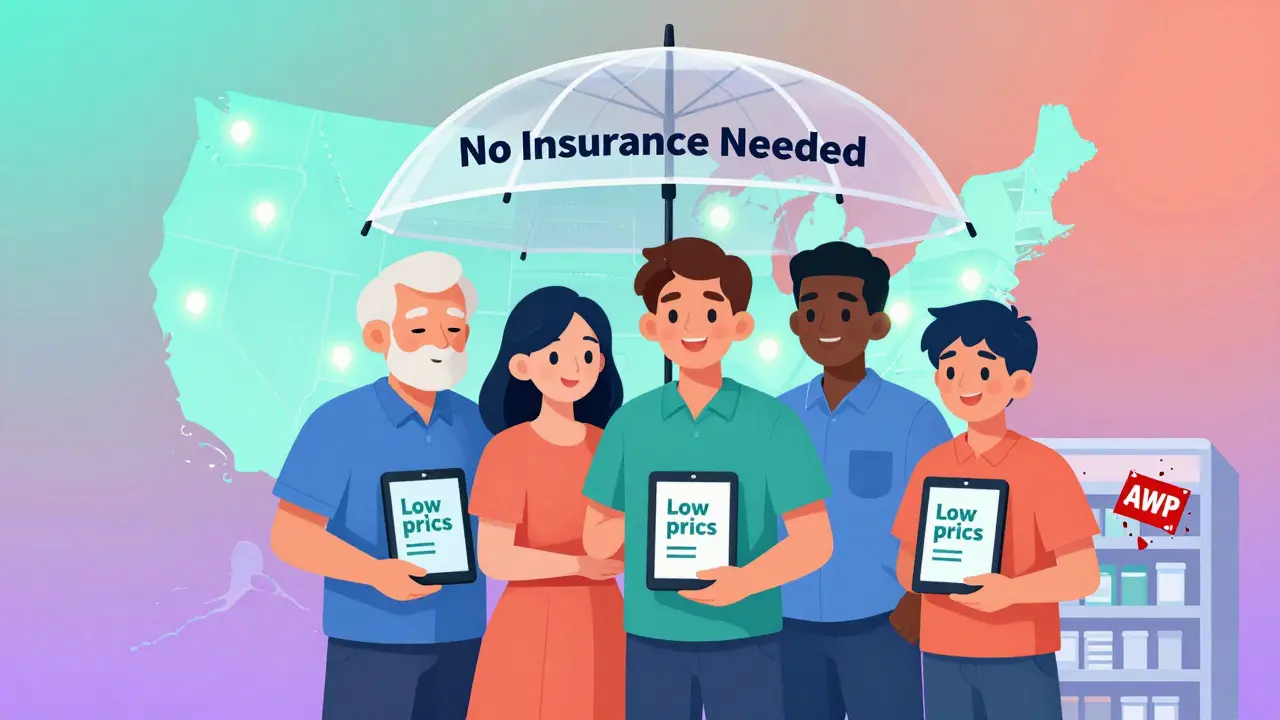
How to Start Saving Today
You don’t need a prescription to use these services. Here’s how to get started:- Find your medication name and dosage (e.g., “Metformin 500mg”)
- Go to Beem, GoodRx, or SingleCare
- Enter your zip code
- See prices at nearby pharmacies
- Choose the lowest price and print or download the coupon
- Take it to the pharmacy and pay cash
What You Should Watch Out For
These services are powerful, but not perfect. Some pharmacies don’t participate. Some medications aren’t covered. And if you’re on a fixed income, always double-check that the online price is still lower than your insurance copay. Don’t assume-compare. Also, avoid websites that ask for personal health data or charge monthly fees. Stick to well-known platforms like Beem, GoodRx, or SingleCare. They’re free, transparent, and trusted by millions.Final Thought
Generic drugs are supposed to be affordable. They’re the same medicine, made by the same companies, just without the brand name. Yet, for years, we’ve been overpaying because the system was designed to confuse us. Online pharmacies aren’t a gimmick. They’re a correction. And for anyone who’s tired of paying retail prices for pills that should cost less than a coffee, they’re the best tool you’ve got.Are online pharmacy prices always cheaper than retail?
Not always, but for most common generic medications, yes. For uninsured patients or those paying cash, online discount services like Beem or GoodRx are almost always cheaper. Even for people with insurance, the cash price online can sometimes be lower than the insurance copay. Always compare both.
Do I need insurance to use e-pharmacy discount services?
No. These services work for cash-paying customers. You don’t need insurance, a membership, or even to sign up. Just enter your medication and zip code, choose the lowest price, and bring the coupon to the pharmacy. They’ll fill it for the discounted rate.
Can I use these services for all my prescriptions?
Mostly yes-for routine generic medications like blood pressure pills, antibiotics, diabetes drugs, and statins. But for specialty drugs that require refrigeration, injections, or complex monitoring (like those for MS or organ transplants), participation is limited. Still, even for these, prices are often lower than retail.
Is it safe to buy medication online through these platforms?
Yes, if you use trusted platforms like Beem, GoodRx, or SingleCare. These services don’t ship drugs themselves. They connect you to licensed local pharmacies that fill your prescription. You pick it up in person, just like always. Avoid websites that mail pills directly or ask for medical records-those are red flags.
Why don’t all pharmacies offer these low prices?
Because many pharmacies rely on the AWP + markup system to make money. When you pay cash at retail, they profit from the inflated price. Discount platforms force them to compete on price. Some pharmacies participate because they get more customers. Others don’t, which is why prices vary by location. Always check multiple pharmacies near you.
Ashlyn Ellison
February 8, 2026 AT 00:11Camille Hall
February 8, 2026 AT 21:56Ritteka Goyal
February 10, 2026 AT 02:17Monica Warnick
February 11, 2026 AT 20:42Alex Ogle
February 13, 2026 AT 09:38Simon Critchley
February 15, 2026 AT 04:22Tom Forwood
February 15, 2026 AT 16:03Chelsea Deflyss
February 15, 2026 AT 23:30John McDonald
February 17, 2026 AT 05:01