Every day, millions of people take generic medications. They’re cheaper, widely available, and just as effective as brand-name drugs - at least on paper. But behind the scenes, generic medication errors are quietly slipping through the cracks. These aren’t just mix-ups with pills. They’re mislabeled doses, confused formulations, and patients who think their medicine changed because the pill looks different. And the consequences? They can be deadly.
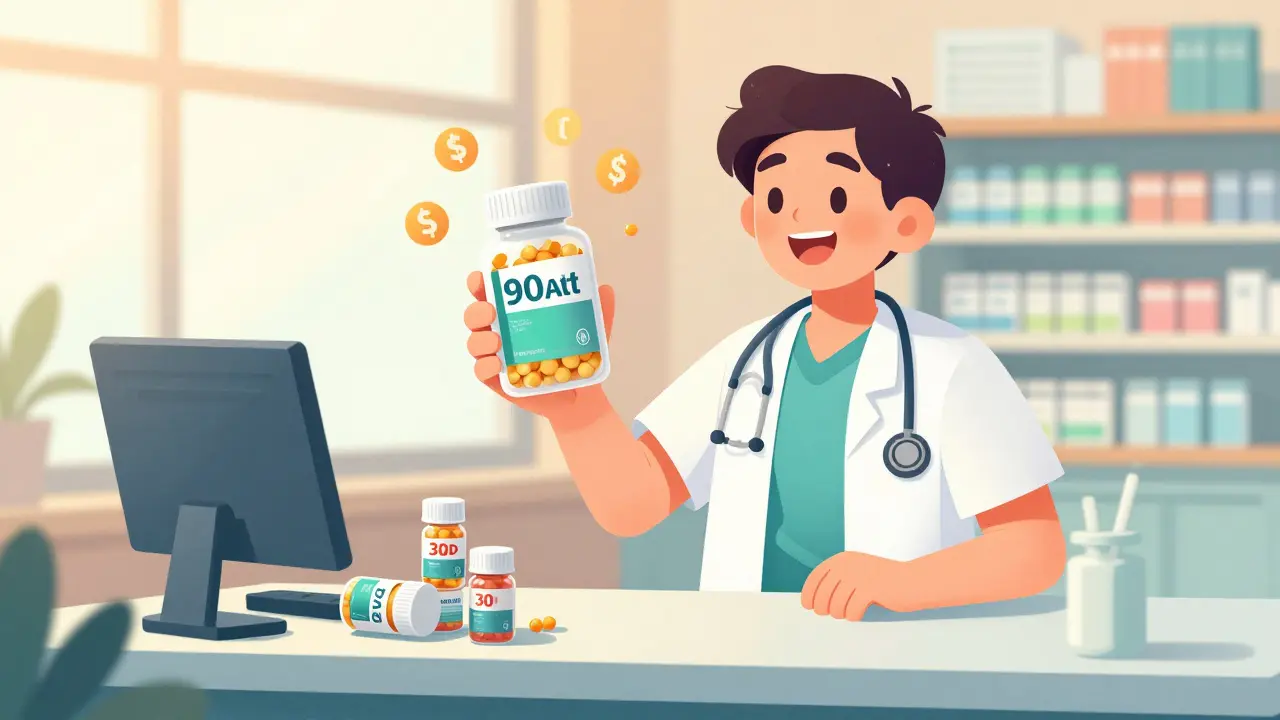
Here’s the hard truth: 90% of prescriptions in the U.S. are filled with generics. That’s not a bug - it’s the system working as intended. But when a pharmacy dispenses the wrong version of a generic drug, or a patient doesn’t understand why their pill color changed, errors happen. And they happen more often than most people realize. Studies show that for every 10,000 prescriptions filled, about 1.4 result in actual dispensing errors. That might sound low, but multiply that across thousands of pharmacies, and you’re looking at thousands of preventable mistakes every year.
Why Generics Are Different - And Riskier
Generics are supposed to be identical to brand-name drugs. The FDA requires them to have the same active ingredient, strength, dosage form, and route of administration. But here’s what the fine print doesn’t tell you: they don’t have to look the same. They don’t have to be made by the same company. And they don’t have to be labeled the same way.
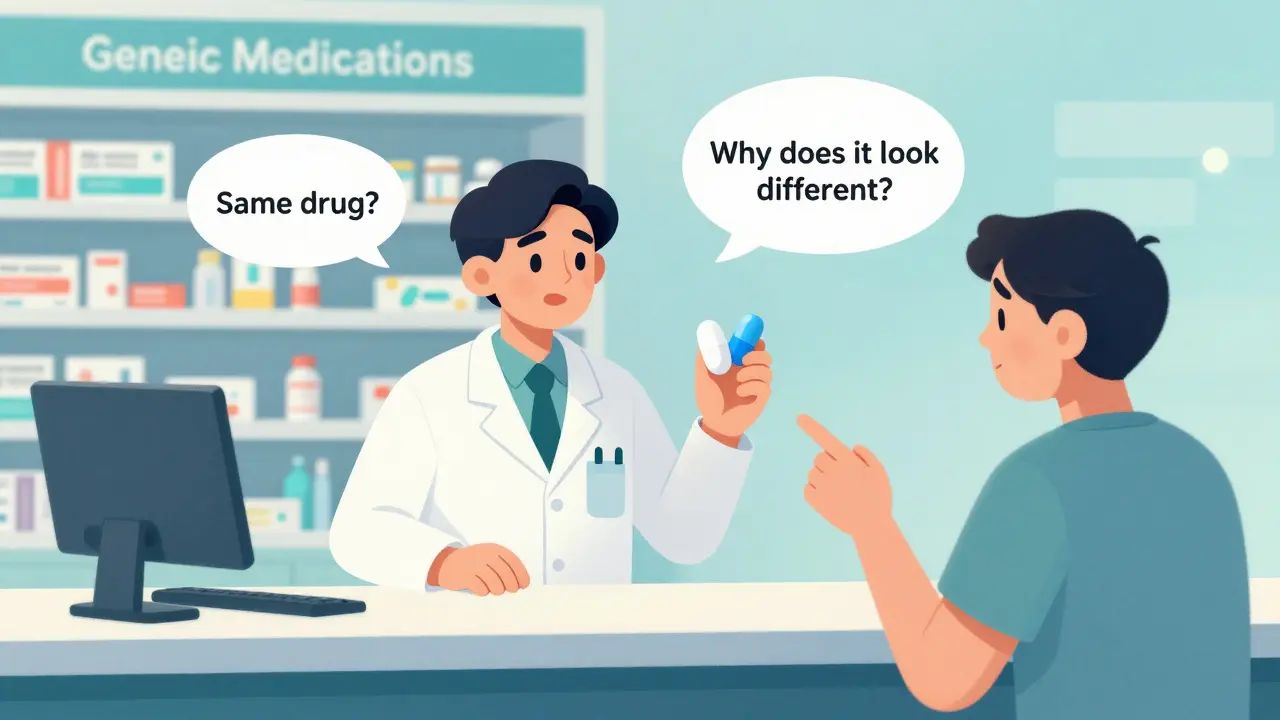
Take a common drug like metformin. There are over 20 different manufacturers making it. Each one uses a different color, shape, and imprint. One version is a white oval, another is a blue capsule, another is a scored tablet with "G 500" stamped on it. A patient who’s been taking the white oval for months might panic when they get a blue capsule. They might think it’s the wrong drug. Or worse - they might assume it’s the same and skip their dose.
And it’s not just appearance. Inactive ingredients - things like fillers, dyes, and preservatives - can vary between manufacturers. For most people, this doesn’t matter. But for someone with a rare allergy or a sensitive digestive system, even a tiny change can trigger side effects. A 2023 case reported by the FDA involved a patient who developed severe nausea after switching to a generic version with a new coating. The pharmacy had no way of knowing the change would affect this individual.
Then there’s the naming problem. Look-alike, sound-alike (LASA) drug names are a major source of confusion. Think of Hydralazine and Hydroxyzine. One treats high blood pressure. The other treats anxiety. They sound almost identical. When a pharmacist is rushing through 50 prescriptions an hour, it’s easy to grab the wrong one - especially if both are generics and the labels look similar.
The Most Common Generic Errors
Not all errors are the same. Some are simple mistakes. Others are systemic failures. Here are the top five types of errors tied specifically to generic medications:
- Dosage confusion: A prescription says "take 500 mg twice daily," but the generic label says "take 500 mg twice weekly." This isn’t a typo - it’s a misprinted label. One AHRQ case found this exact error led to a patient overdosing on a generic anticonvulsant.
- Strength mismatch: A patient is prescribed 10 mg of lisinopril, but gets a 20 mg generic tablet because the pharmacy ran out of the 10 mg. The pharmacist didn’t catch it because both tablets looked similar.
- Dispensing form errors: A patient needs a liquid form of a drug for swallowing issues, but the pharmacy dispenses a tablet instead. Generic manufacturers often only produce one form, and pharmacies don’t always have backup options.
- Manufacturer switching: A patient gets their generic medication from Manufacturer A for six months. Then, without warning, they get Manufacturer B. The pill looks different. The patient stops taking it. Their condition worsens. They don’t call the doctor because they think it’s "the same drug." This happens more than you’d think.
- Documentation gaps: Electronic records don’t track which manufacturer’s generic was dispensed. So when a patient moves to a new pharmacy or hospital, no one knows what version they’ve been taking - increasing the risk of switching to a different formulation.
These aren’t rare. In fact, 51% of all prescription corrections in community pharmacies are clinical errors - and nearly half of those involve generics in some way.
How Technology Helps - And Hurts
Technology was supposed to fix this. Computerized prescribing, bar code scanning, and clinical decision support systems (CDSS) have cut medication errors by up to 55% in hospitals. But generics? They’ve made things more complicated.
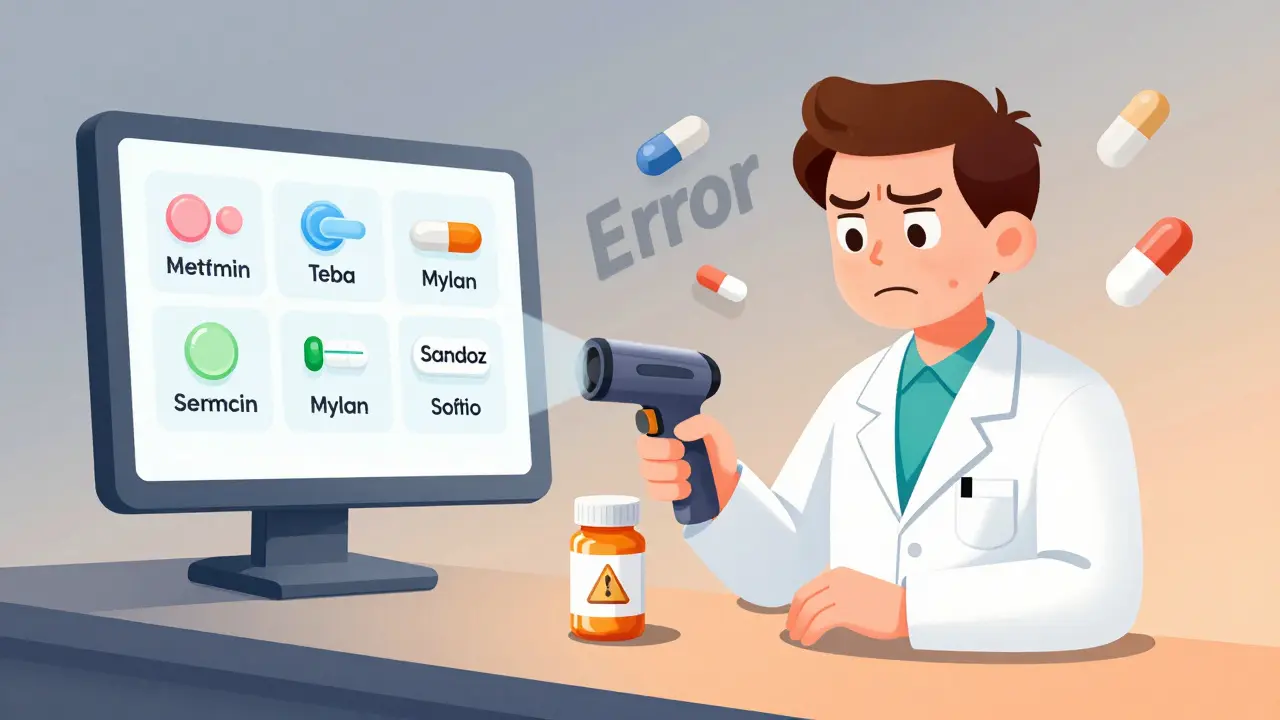
Bar code scanners work great - if the system knows what the pill looks like. But many pharmacy databases still list "metformin 500 mg" without specifying the manufacturer or physical characteristics. So when a pharmacist scans a blue tablet, the system says "match," even if it’s not the one the patient has been taking.
Alert fatigue is another problem. CDSS systems pop up warnings for every possible interaction - even ones that don’t matter. A pharmacist might get 10 alerts an hour. After a while, they start clicking "OK" without reading. That’s how dangerous errors slip through.
And here’s the kicker: only 35-40% of community pharmacies use these systems. Hospitals? 68% do. That gap is where most generic errors happen.
What Works: Real Prevention Strategies
There’s no magic bullet. But there are proven steps that reduce errors - fast.
1. Mandatory Counseling for First-Time Generics
When a patient gets a generic for the first time, or switches manufacturers, pharmacists should talk to them. Not a quick "Take this twice a day." A real conversation. "This is the same medicine, just made by a different company. It looks different, but it works the same. If you feel different, call us."
Studies show this catches 12-15% of potential errors. It’s not expensive. It takes 3-5 minutes per patient. But it’s rarely done in high-volume stores. Pharmacists are rushed. Patients are in a hurry. But when it’s done, it works.
2. Use Updated Drug References
Pharmacists rely on drug databases. But if those databases don’t list the manufacturer, color, or shape of a generic, they’re useless. One study found 42% of pharmacists were using outdated references. That means they didn’t know a new version of their favorite generic had changed from a white oval to a blue capsule.
Solutions like Drug Facts and Comparisons or Epocrates update monthly. They cost $150-$300 a year. It’s cheap insurance.
3. Standardize Labeling
Why not print the manufacturer name on the label? Why not include the pill imprint? The FDA doesn’t require it - but pharmacies can. Some do. And they report fewer patient complaints and fewer errors.
One pharmacy chain started adding "Manufactured by: Teva" and "Imprint: G 500" to every generic label. Within six months, patient calls about "wrong medication" dropped by 60%.
4. Medication Reconciliation at Every Visit
When a patient comes in for a refill, don’t just check the bottle. Ask: "What did your last pharmacy give you? What did it look like?" This simple step catches switching errors before they cause harm.
Pharmacists who do this find an average of 2.3 medication discrepancies per patient - and most of them involve generics.
5. Train Staff on the "8 R’s"
Right patient. Right drug. Right dose. Right time. Right route. Right documentation. Right reason. Right response.
It’s not new. But most pharmacies only teach it once. Real training takes 8-12 hours. It includes role-playing common errors, reviewing real cases, and practicing how to explain substitutions to patients.
What’s Next? The Future of Generic Safety
The FDA’s 2022 Generic Drug User Fee Amendments (GDUFA III) now require manufacturers to notify pharmacies and prescribers when they change a generic’s formulation. That’s huge. It means pharmacists won’t be blindsided by a new pill color anymore.
And AI is coming. Pilot programs are testing systems that predict which patients are likely to react poorly to a specific generic based on their genetics, allergies, and past reactions. Early results show a 22% drop in adverse events beyond standard safety systems.
But technology alone won’t fix this. The biggest risk isn’t the system - it’s the assumption that generics are "just the same."
They’re chemically equivalent. But they’re not identical. And treating them as if they are? That’s where errors happen.
What Patients Can Do
You don’t have to wait for pharmacies to fix this. Here’s what you can do:
- Ask: "Is this the same as my last prescription?"
- Check the pill’s imprint and color - write it down if it’s unusual.
- Don’t assume a change is safe. If you feel different, call your pharmacist.
- Request a copy of your medication list - including manufacturer - from your pharmacy.
Generics saved billions in healthcare costs. But they didn’t come with a safety manual. That’s on us - pharmacists, prescribers, and patients - to build one.