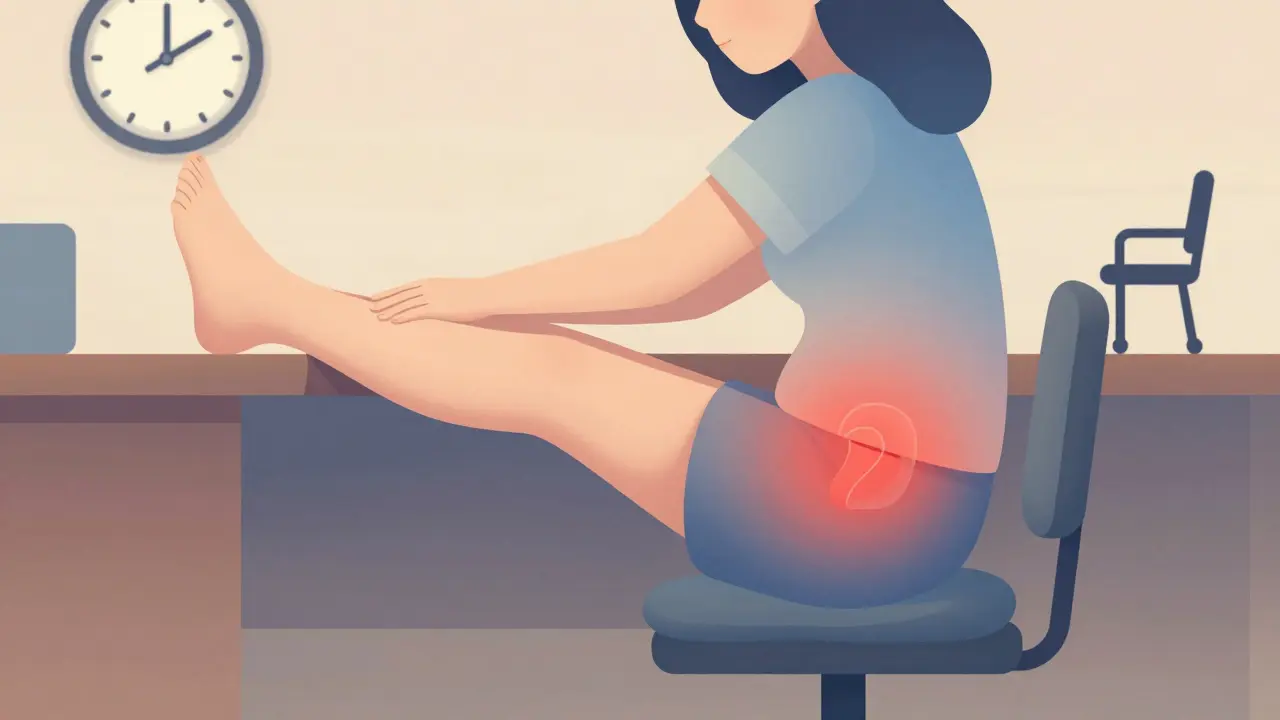
Hip pain from labral tears and arthritis doesn't have to mean surgery. Learn how smart activity changes - like avoiding deep flexion and switching to low-impact exercise - can reduce pain, delay progression, and help you stay active without drugs or operations.
View More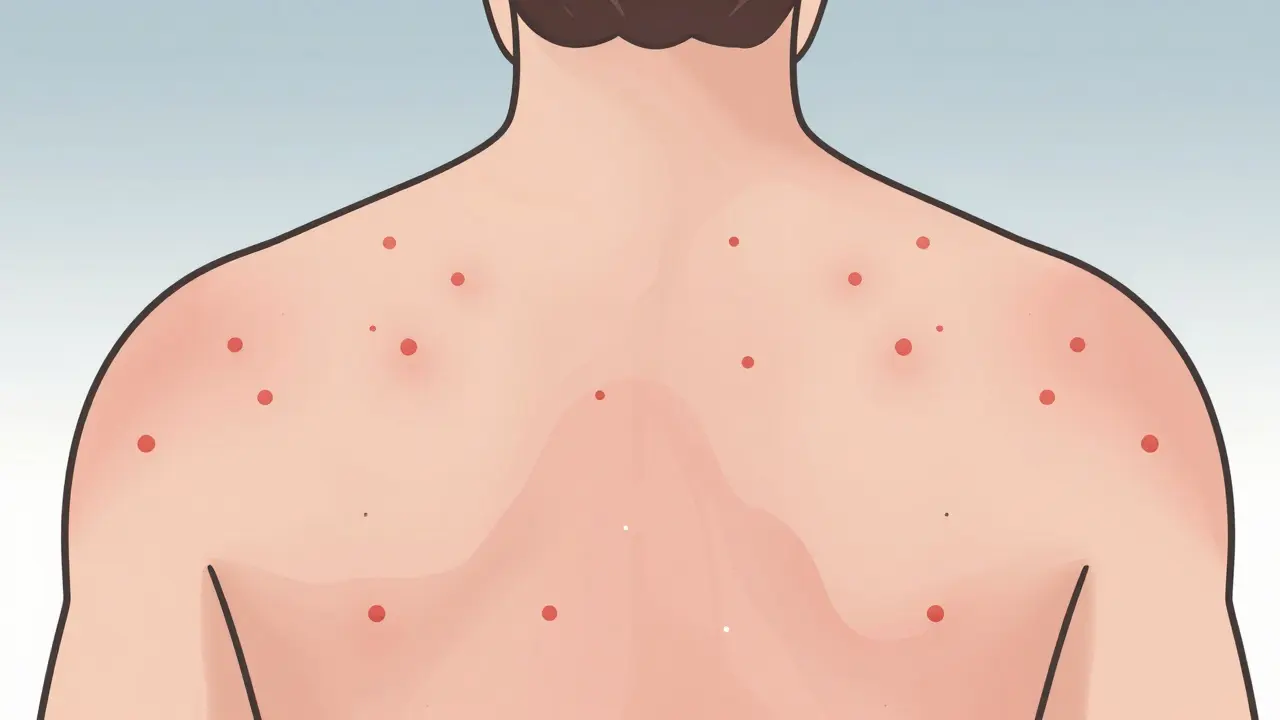
Steroid-induced acne is a side effect of corticosteroid or anabolic steroid use. Learn effective topical treatments, lifestyle adjustments, and when to seek help for managing this condition.
View More
Discover the real risks of sleep medications, how dependence forms, and evidence-based alternatives like CBT-I and digital therapies. Learn why experts recommend non-drug treatments first.
View More
Learn how to spot real drug allergies versus side effects, recognize life-threatening reactions like anaphylaxis, and understand when to seek emergency care. Most penicillin allergies are mislabeled - testing can save lives.
View More
Learn how blood thinners like DOACs and warfarin prevent stroke in atrial fibrillation, their real-world benefits, risks, costs, and which one is right for you in 2026.
View More
Learn how to prevent liver injury from acetaminophen combination products by tracking doses, reading labels, and knowing when to seek help. Overdoses are common, silent, and preventable.
View More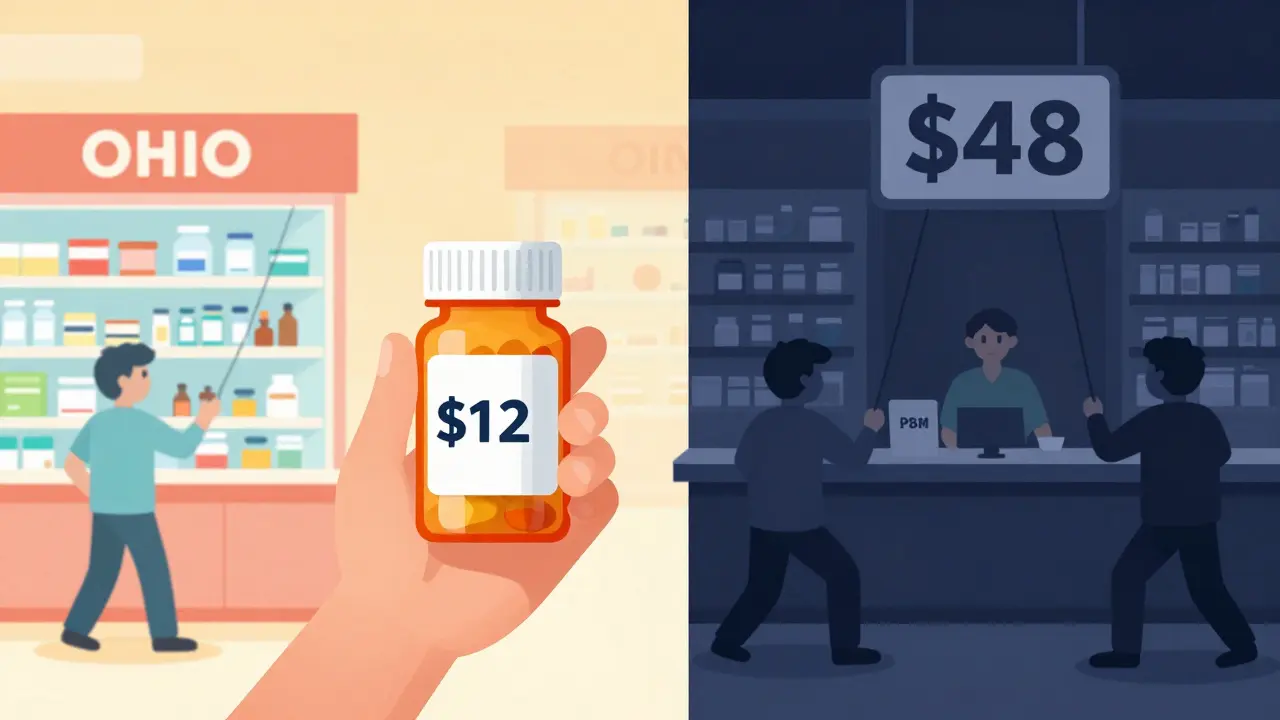
Generic drug prices vary wildly by state due to hidden PBM markups, Medicaid rules, and lack of transparency. Paying cash often saves more than insurance. Here’s why-and what you can do about it.
View More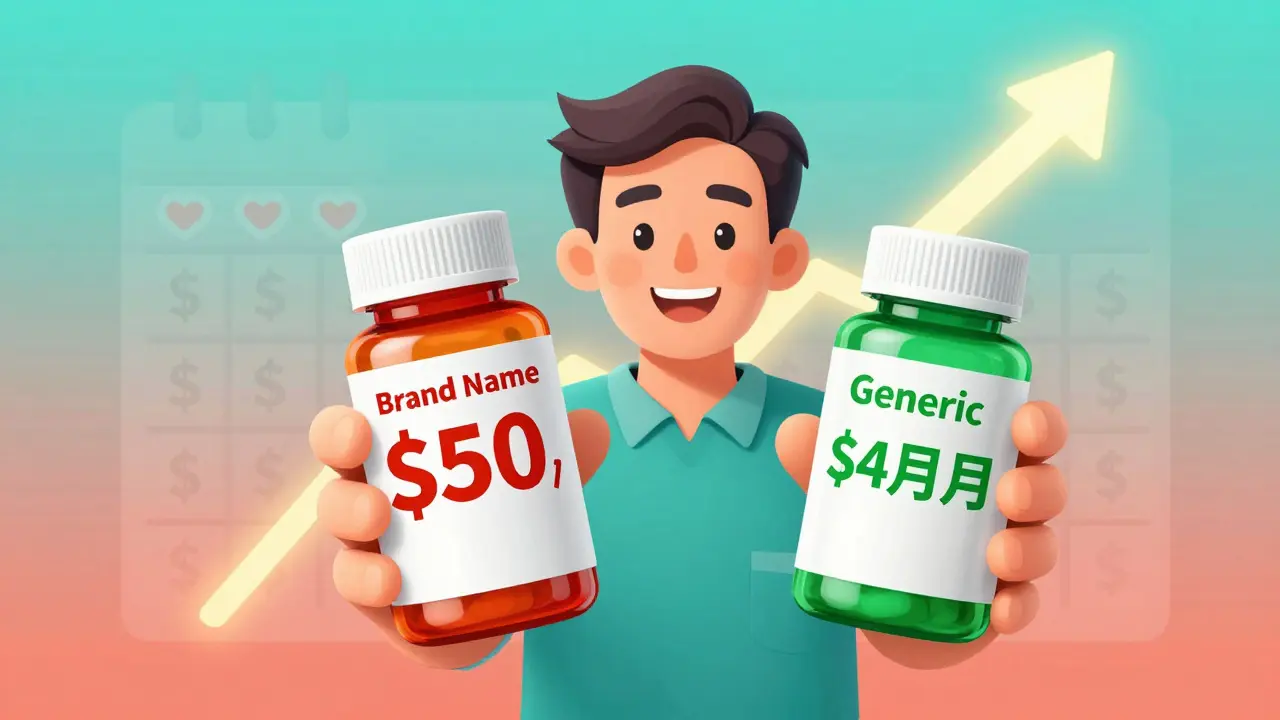
Generic medications can save patients thousands over a lifetime when managing chronic conditions like diabetes, hypertension, and asthma. Learn how generics work, why they're just as effective, and how to maximize your savings without sacrificing health.
View More
Neoadjuvant therapy treats cancer before surgery to shrink tumors and test drug effectiveness, while adjuvant therapy kills remaining cells after surgery. New data shows neoadjuvant approaches can improve outcomes with fewer side effects.
View More
Isotretinoin is the most effective treatment for severe acne, with 80% of patients achieving long-term clearance. Learn about lab monitoring, dosing, side effects, and why it’s still the gold standard despite its risks.
View More