
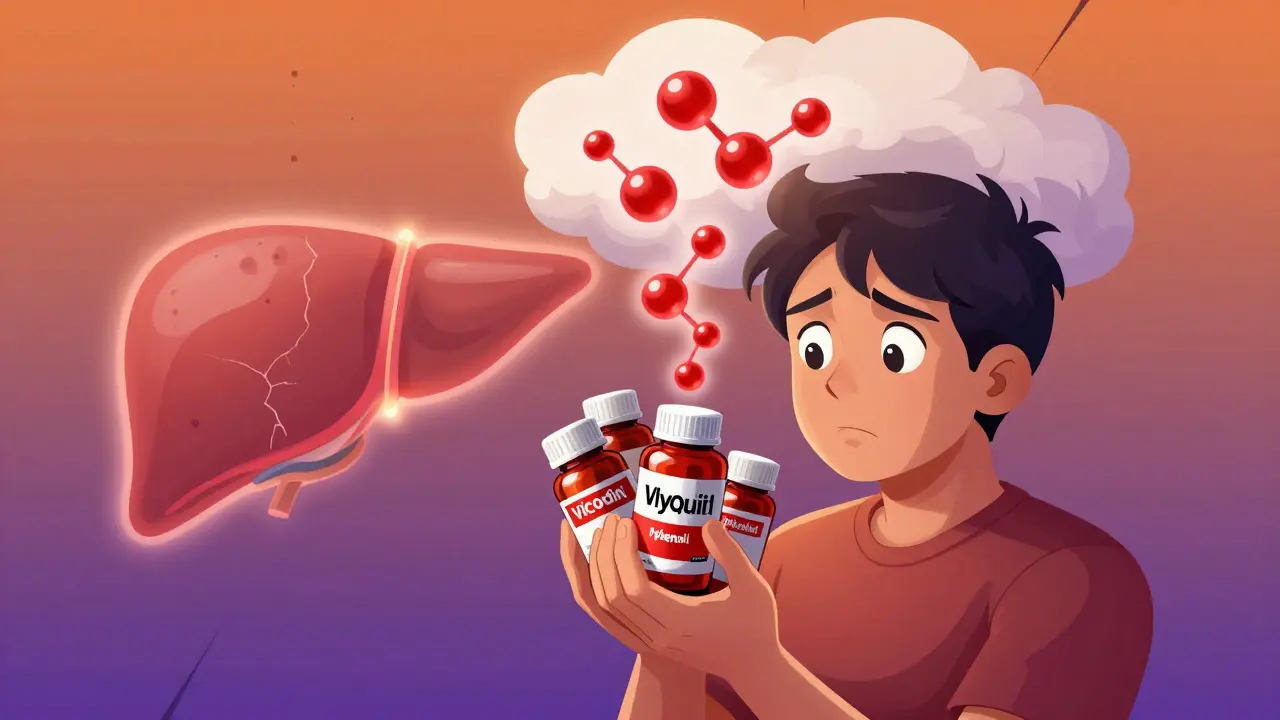
Every year, thousands of people end up in the hospital with severe liver damage-not from alcohol, not from viruses, but from a common painkiller they thought was safe: acetaminophen. And it’s not usually from taking one too many Tylenol pills. It’s from stacking medications-prescription painkillers, cold remedies, sleep aids-all containing acetaminophen, without realizing it. By the time they feel sick, it’s often too late. The good news? This isn’t random. It’s preventable. And knowing exactly how to avoid it can save your liver-or someone you love.
Why Combination Products Are Dangerous
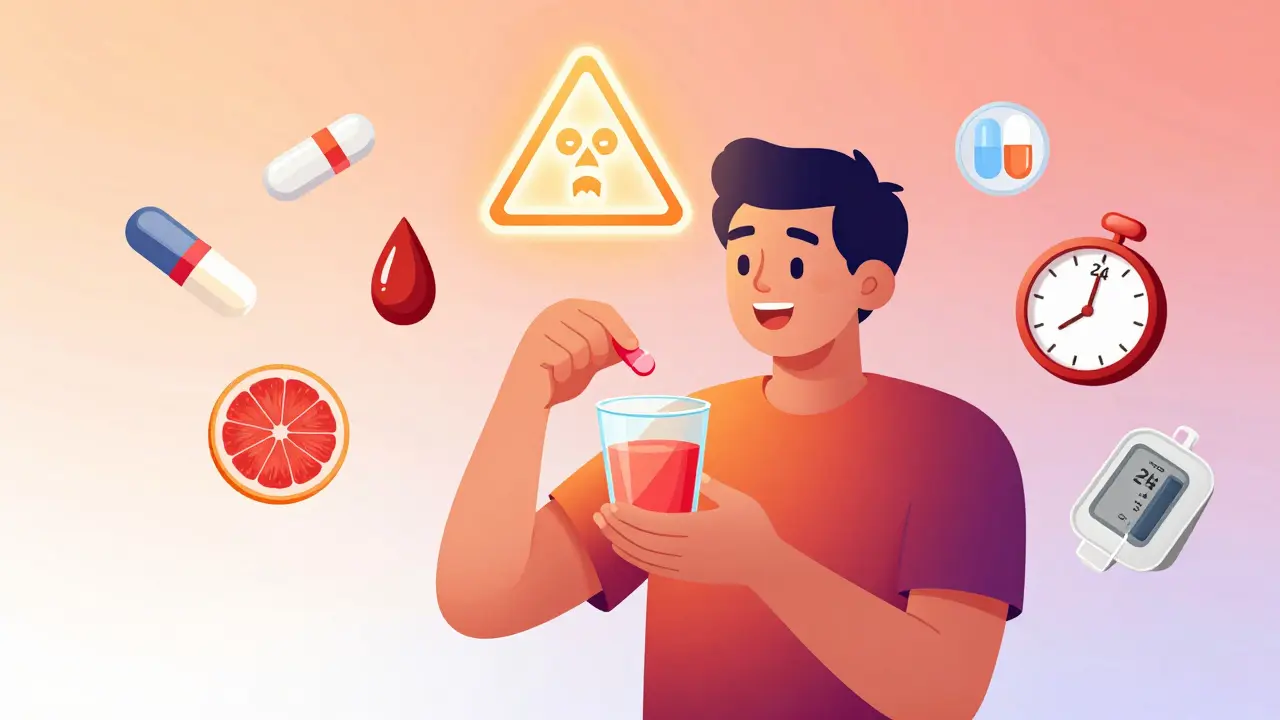
You’ve probably seen them: Vicodin, Percocet, Norco, Tylenol 3. These are prescription painkillers that combine an opioid like hydrocodone or oxycodone with acetaminophen. They’re effective for moderate to severe pain, but they hide a hidden danger. Acetaminophen is in nearly every one of them. And if you’re also taking over-the-counter pain relievers, cold medicine, or sleep aids that contain acetaminophen, you’re doubling or tripling your dose without knowing it. The FDA set a safe daily limit of 4,000 milligrams for adults in 2011. But here’s the problem: many combination pills still contain 325 mg of acetaminophen per tablet. That means just 12 pills in one day hits the max. If you’re taking two pills every six hours for pain, you’re already at 2,600 mg. Add a cold tablet with 325 mg, and you’re at 2,925 mg. One more nighttime sleep aid? You’re over 3,200 mg. And you haven’t even felt anything yet. What makes this worse is that acetaminophen doesn’t cause immediate symptoms. No stomach pain. No dizziness. Just a quiet, slow buildup of toxins in your liver. By the time you feel nauseous, yellow-eyed, or confused, your liver cells are already dying. In fact, 40% of all unintentional acetaminophen overdoses in the U.S. before 2014 came from these combination products. Even after the FDA forced manufacturers to cap acetaminophen at 325 mg per dose, a 2019 study in Hepatology found these products still caused 27% of all acetaminophen-related liver injuries-and 68% of those were unintentional.How Acetaminophen Damages the Liver
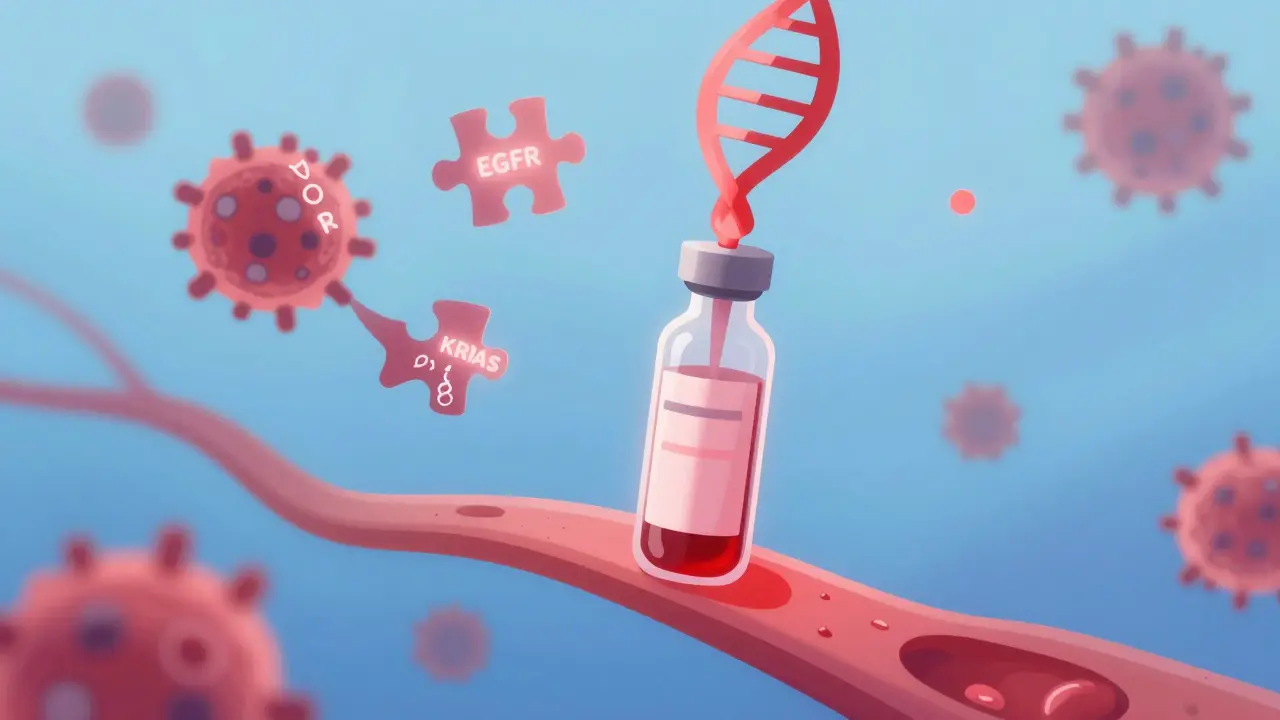
Your liver normally breaks down acetaminophen safely using two pathways: glucuronidation and sulfation. But when you take too much, those pathways get overwhelmed. The excess gets processed by a third, backup system that produces a toxic byproduct called NAPQI. Normally, your liver neutralizes NAPQI with glutathione, a natural antioxidant. But when you overdose, glutathione runs out. Suddenly, NAPQI starts attacking liver cells, especially the mitochondria-the energy factories inside each cell. This triggers a chain reaction: oxidative stress, inflammation, and cell death. The damage can be massive and irreversible. Studies show that when glutathione drops below 30% of normal levels, liver injury becomes likely. And once that happens, the body’s own repair signals-like JNK activation-make things worse, not better. This isn’t theoretical. A 2009 study in Hepatology showed that giving N-acetylcysteine (NAC) within 1.5 hours of an overdose cut liver damage by 46%. Glutathione itself reduced injury by 82%. But you can’t just buy glutathione at the store. That’s why NAC is the standard antidote-it rebuilds glutathione and helps your liver recover.What You Can Do to Stay Safe
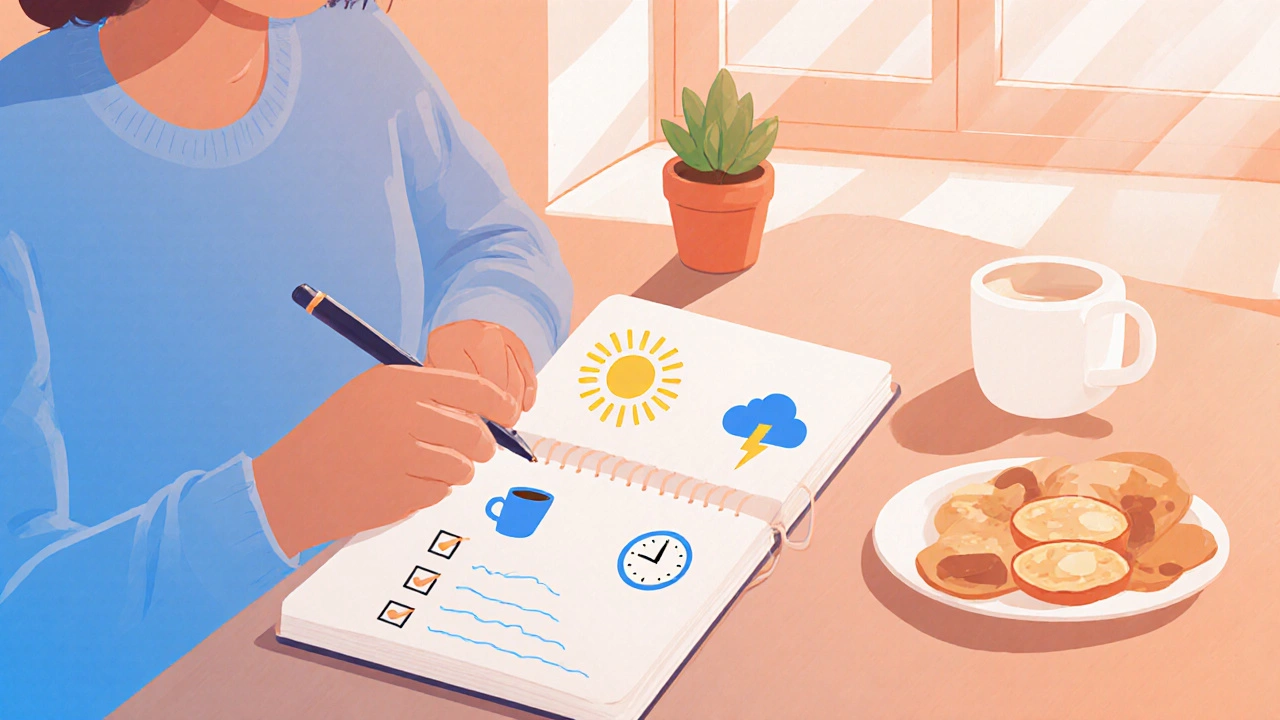
Prevention isn’t complicated. It’s about awareness, tracking, and communication. 1. Know what’s in every pill you take. Look at the active ingredients. If it says “acetaminophen,” “APAP,” or “paracetamol,” it’s the same thing. Don’t assume “prescription” means “safe.” Don’t assume “OTC” means “no risk.” Check every box, bottle, and blister pack. Even if you’ve used it before, ingredients change. 2. Never mix multiple acetaminophen products. If you’re on a prescription painkiller with acetaminophen, don’t take Tylenol, Excedrin, NyQuil, or any cold medicine unless your doctor says it’s okay. And even then, count every milligram. Write it down. Use a notebook or your phone. Track each dose and time. 3. Set a hard limit of 3,000 mg per day if you’re at higher risk. If you drink alcohol regularly, have liver disease, are underweight, or are malnourished, your body has less glutathione to begin with. The American Association for the Study of Liver Diseases recommends capping your daily acetaminophen at 2,000-3,000 mg in these cases. That’s less than 10 regular Tylenol tablets. 4. Ask your pharmacist to review all your meds. Pharmacists are trained to spot these overlaps. In a 2021 study, pharmacist-led counseling cut unintentional overdoses by 41%. Don’t wait until you’re in pain. Go in with your pill bottles and say, “I’m worried about acetaminophen. Can you check if anything I’m taking has it?” 5. Use apps that scan barcodes. A new app developed by the Acetaminophen Hepatotoxicity Prevention Consortium lets you scan the barcode on any medication. It tells you how much acetaminophen is in it and adds it to your daily total. Beta testers got 89% accuracy across 150 different products. If you’re on multiple meds, this is the easiest way to avoid mistakes.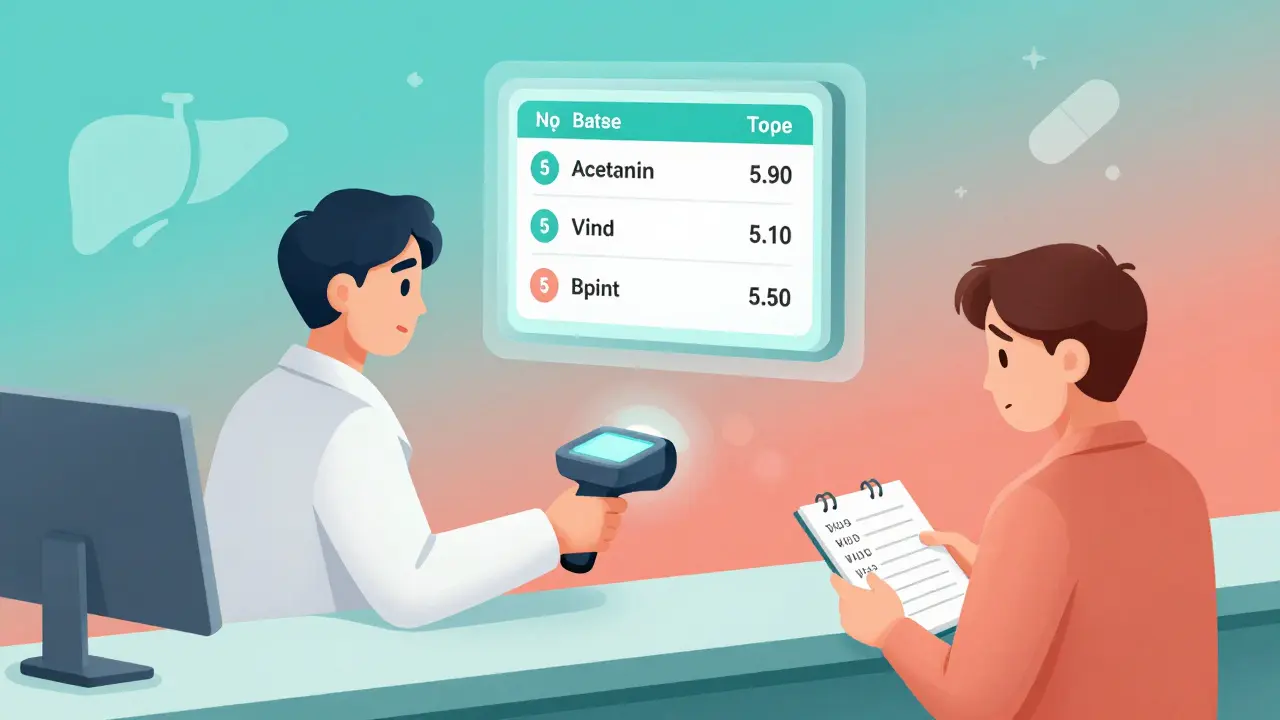
What Doctors and Pharmacies Are Doing to Help
Regulators didn’t ignore this problem. In 2014, the FDA required all prescription combination products to clearly label the acetaminophen content in bold, red letters. Since then, unintentional overdoses have dropped by 29%, according to the Institute for Safe Medication Practices. Many pharmacies now print warning stickers on bottles. Some EHR systems automatically flag when a patient is prescribed multiple acetaminophen-containing drugs. But education still falls short. A 2022 Johns Hopkins study found that even after doctors spent three hours training on acetaminophen risks, only 62% of patients remembered the key points after leaving the office. That’s why clear, simple handouts and multilingual guides matter. The FDA now offers medication guides in 14 languages. If English isn’t your first language, ask for the guide in your language. You have a right to understand what you’re taking.What to Do If You Think You’ve Taken Too Much
If you’ve taken more than 4,000 mg in 24 hours-or even 3,000 mg if you’re at higher risk-and you feel even slightly off, go to the ER. Don’t wait for nausea. Don’t wait for jaundice. Don’t call your doctor tomorrow. Call 911 or go now. N-acetylcysteine (NAC) works best if given within 8 hours of overdose. But studies show it still helps up to 48 hours later. The Rumack-Matthew nomogram helps doctors decide if you need it based on your blood level and when you took the last dose. If you’re unsure how much you took, bring your pill bottles. The ER team will figure it out. New options are emerging. In 2021, the FDA approved fomepizole as an adjunct treatment. It blocks the enzyme that turns acetaminophen into NAPQI. It’s not a replacement for NAC, but it can help when NAC alone isn’t enough-especially if you show up late. Another promising compound, emodin from rhubarb, has shown 57% liver protection in animal studies, but it’s still in research.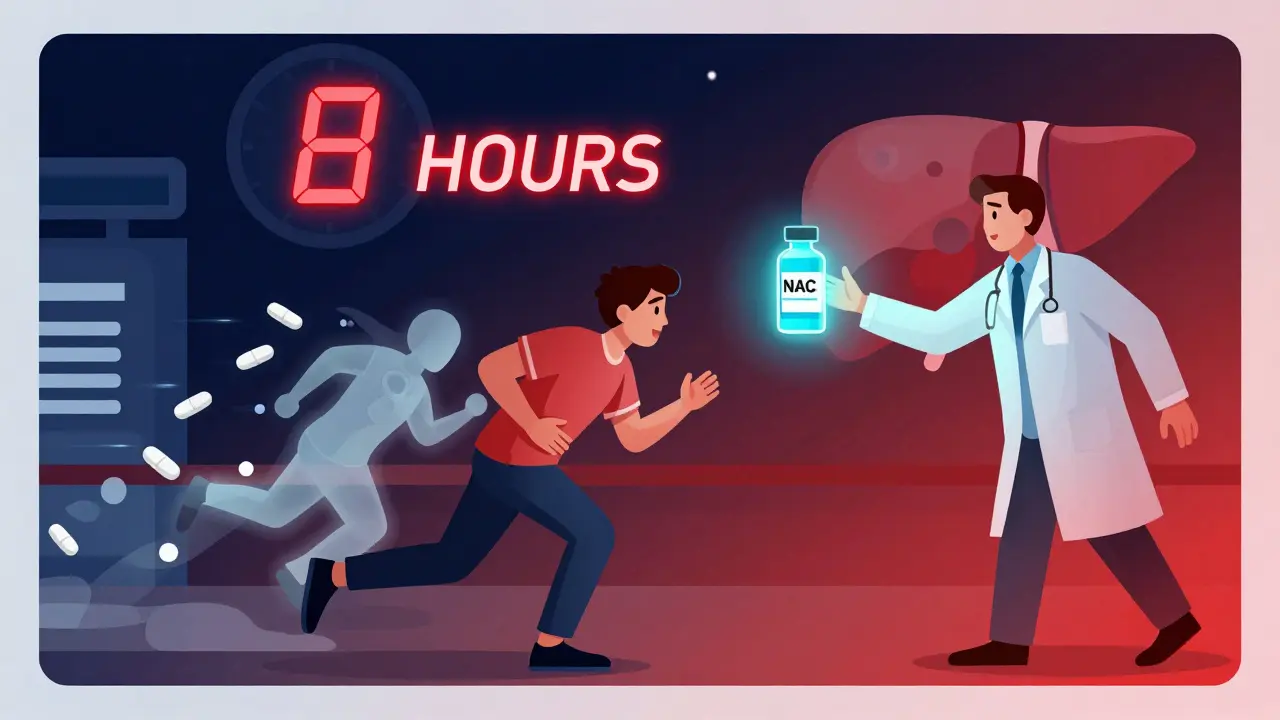
What’s Changing in the Market
Prescriptions for opioid-acetaminophen combos have dropped 43% since 2010. That’s partly because of the opioid crisis, but also because more people are learning about the liver risks. The OTC acetaminophen market is growing, but so are safety features. Now, 65% of OTC bottles have child-resistant caps and dose-tracking labels. The FDA is even considering lowering the maximum dose per tablet from 1,000 mg to 650 mg. Legal pressure is mounting. Over 1,200 lawsuits have been filed since 2010, with $1.2 billion paid in settlements. Manufacturers are finally being held accountable for unclear labeling and inadequate warnings.Final Thought: This Isn’t About Fear-It’s About Control
Acetaminophen isn’t evil. It’s one of the safest painkillers when used correctly. The danger comes from invisibility-when you don’t see the dose adding up. The solution isn’t to avoid it. It’s to know it. Track it. Ask about it. Speak up. If you’re taking a prescription painkiller, check the label. If you’re buying cold medicine, read the fine print. If you’re unsure, ask your pharmacist. One conversation, one check, one scan of a barcode-could mean the difference between healing and hospitalization.Can I take acetaminophen if I drink alcohol?
If you drink alcohol regularly, your liver has less glutathione, which makes it harder to process acetaminophen safely. Experts recommend limiting your daily acetaminophen intake to 2,000-3,000 mg, even if you’re not taking other medications. Avoid combining alcohol and acetaminophen entirely if you drink more than three drinks per day.
Is Tylenol safer than prescription combination products?
Tylenol alone is safer because you control the dose. But many people don’t realize that Tylenol is also in cold medicines, sleep aids, and migraine pills. The real risk isn’t Tylenol itself-it’s taking multiple products that all contain acetaminophen without realizing it. Whether it’s OTC or prescription, the danger comes from hidden doses.
How do I know if I’ve taken too much acetaminophen?
There are often no symptoms in the first 24 hours. After that, you might feel nauseous, sweaty, or unusually tired. Later signs include pain in the upper right abdomen, yellow skin or eyes, dark urine, and confusion. By then, liver damage may already be serious. If you suspect an overdose, don’t wait-go to the ER immediately.
Does NAC work if I take it at home?
Over-the-counter NAC supplements are not the same as medical-grade intravenous or oral NAC used in hospitals. They’re sold as antioxidants, not antidotes. There’s no proven dose or timing for OTC NAC to treat overdose. If you think you’ve overdosed, do not rely on supplements. Go to the hospital.
Are there new medications without acetaminophen?
Yes. Many doctors now prescribe opioids without acetaminophen, like oxycodone alone or tramadol. Some non-opioid options like gabapentin or naproxen are used for chronic pain. If you’re concerned about liver risk, ask your doctor if you can switch to a non-acetaminophen alternative. You’re not stuck with what’s on the label.
Jason Xin
February 1, 2026 AT 04:20Been there. Took Vicodin after surgery, then grabbed NyQuil for a cold. Didn’t think twice. Woke up two days later in the ER with liver enzymes through the roof. Turned out I hit 5,200 mg in 24 hours. No symptoms until it was almost too late. Now I scan every pill with that barcode app the post mentioned. Life-changing.
Don’t be like me. Check your labels. Even if you’re ‘just taking one.’
Holly Robin
February 1, 2026 AT 10:13THIS IS ALL A BIG PHARMA LIE. They added acetaminophen to painkillers so you’d get addicted to BOTH the opioid AND the liver damage. They knew people would stack it. They PROFITED from ER visits. The FDA? Paid off. NAC? Only sold because it’s cheap and they make billions off the antidote. You think they’d let you know how easy it is to kill your liver? Nah. They want you hooked. Wake up.
#BigPharmaKills #AcetaminophenIsPoison
Shubham Dixit
February 1, 2026 AT 12:07In India, we don’t even have these combination pills. We use paracetamol alone, and doctors are strict about dosing. But here in the U.S., it’s like everyone’s on a drug buffet. You take one pill for back pain, another for fever, another for sleep, and boom-liver fails. Why is this even legal? In India, even OTC paracetamol comes with a warning sticker in three languages. Here? You need a PhD to read the tiny print.
And you wonder why Americans are so unhealthy? Because nobody reads the label. They trust the brand. That’s not safety. That’s stupidity.
Also, why is NAC not sold over the counter like in Europe? Another American loophole. Fix this.
Gaurav Meena
February 2, 2026 AT 08:24Hey everyone-just wanted to say this post saved my dad’s life. He was on Percocet for arthritis and was taking Advil Cold & Sinus every night because of allergies. Didn’t realize both had acetaminophen. He started feeling off, but brushed it off. I found this article and made him go to urgent care. Turns out his ALT was 1,200. He got NAC IV and is now fine.
Don’t wait until you’re yellow. Scan your meds. Talk to your pharmacist. Even if you think you’re fine-you’re not. You’re one cold medicine away from disaster. ❤️
Eliana Botelho
February 2, 2026 AT 19:54Okay but what if you’re just trying to sleep? I take Tylenol PM every night. It’s not like I’m popping 12 pills. It’s one. And I only drink one glass of wine. Is that really dangerous? I mean, I’ve done it for 7 years. Nothing happened. Maybe the real issue is that people are too scared of medicine? Like, if you’re not a doctor, you shouldn’t be reading this? Maybe just stop Googling symptoms?
Also, I don’t trust apps. They track everything. I’d rather just guess.
Darren Gormley
February 4, 2026 AT 12:52LOL. You people are obsessed with numbers. 4,000 mg? 3,000 mg? Who cares? My liver’s a tank. I’ve taken 6,000 mg in a weekend before and went to the gym the next day. It’s not the dose-it’s your genetics. Some people metabolize it fine. Others? Weak. So stop shaming people for taking meds. The real problem is fear-mongering. And NAC? It’s just a supplement. You’re not saving lives-you’re selling anxiety.
Also, barcode apps? Next you’ll tell us to scan our toothpaste.
😂
Sheila Garfield
February 6, 2026 AT 02:29I think this is one of the most important posts I’ve read all year. I’m a nurse, and I see this every month-someone comes in confused, saying they ‘just took a little extra.’ It’s never just a little. It’s always a perfect storm of meds they didn’t realize were overlapping.
I wish every pharmacy had a free 5-minute med review station. And I wish doctors would stop defaulting to combo pills. There are so many alternatives now.
Thank you for writing this. I’m sharing it with every patient I can.
Shawn Peck
February 6, 2026 AT 10:50STOP IT. Just stop. Acetaminophen is fine. You’re just scared because you don’t know how your body works. I’ve taken 10 Tylenol a day for years. I’m 50 and still running marathons. Your liver is fine. The real problem is people who don’t exercise and eat junk. That’s what kills you. Not Tylenol.
Also, NAC? That’s just a fancy word for sulfur. You think your liver can’t handle sulfur? LOL.
Stop listening to doctors. They’re just scared of lawsuits.
Niamh Trihy
February 8, 2026 AT 01:08This is excellent. One thing I’d add: if you’re on chronic pain meds, ask for a liver panel every 6 months. It’s cheap, non-invasive, and catches damage before symptoms show. I’ve had patients with normal enzymes who later crashed-because they didn’t test. Prevention isn’t just about avoiding pills. It’s about monitoring.
Also, if you’re on alcohol or statins, your risk is higher. Talk to your provider. Don’t assume it’s fine.
Sarah Blevins
February 9, 2026 AT 07:59There is no evidence that capping acetaminophen at 3,000 mg improves outcomes. The 4,000 mg limit was based on flawed studies. The real issue is delayed presentation. Most patients don’t seek help until 72 hours post-ingestion, when NAC is less effective. The solution isn’t labeling-it’s public education on symptom recognition.
Also, the barcode app? 89% accuracy? That’s not good enough. False negatives could be fatal.
Beth Beltway
February 10, 2026 AT 01:35So let me get this straight. You’re telling people to avoid Tylenol because it’s in everything? But you’re not telling them to avoid opioids? That’s hypocrisy. You want to ban painkillers, but you’re hiding behind liver safety. This is just another step toward making all meds illegal. Next they’ll ban caffeine because it’s in 80% of drinks.
And why is NAC only available in hospitals? Because they don’t want you to fix this yourself. Control. Always control.
People should be allowed to take risks. Your fear is not my law.