When you get a new organ, your body doesn’t know it’s supposed to accept it. That’s where transplant medications, drugs that suppress the immune system to prevent organ rejection. Also known as immunosuppressants, they’re not optional—they’re life-saving. Without them, your immune system attacks the transplanted kidney, liver, heart, or lung like it’s an invader. But these drugs don’t just stop rejection—they change how your whole body works.
Every transplant patient takes a mix of these drugs, usually starting with strong ones right after surgery, then switching to lower doses over time. Common names include tacrolimus, cyclosporine, mycophenolate, and sirolimus. Each one works differently, but they all quiet down your immune system. That’s why you’re more likely to get infections, why your blood sugar might spike, or why your kidneys could take a hit. Some drugs even raise your risk of skin cancer or high blood pressure. And here’s the catch: if you miss a dose, even once, your body might start rejecting the organ. No warning. No second chance.
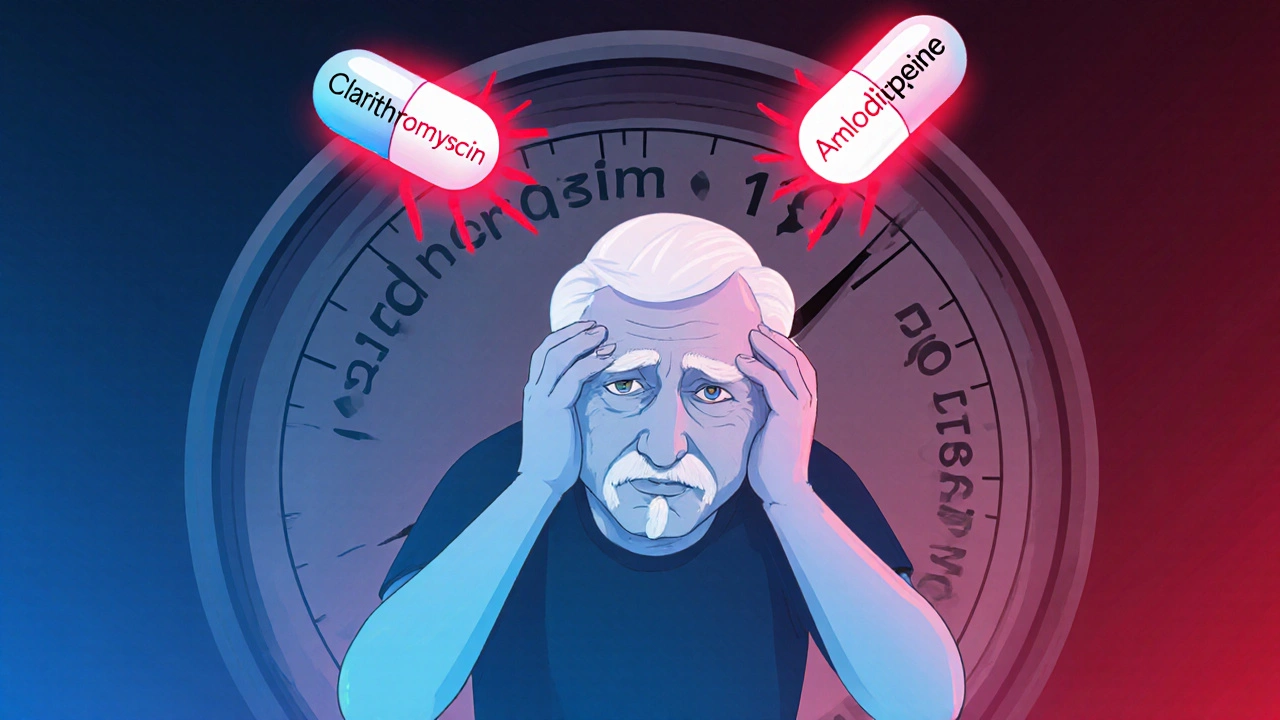
These drugs don’t play nice with other medicines. drug interactions, when one medication changes how another works in your body are a real danger. Grapefruit juice, for example, can make tacrolimus levels spike dangerously high. Antibiotics like clarithromycin can do the same. Even over-the-counter painkillers like ibuprofen can hurt your new kidney. That’s why keeping a full list of everything you take—prescriptions, supplements, herbal teas—isn’t just smart, it’s critical. Your pharmacist and doctor need to see it every visit.
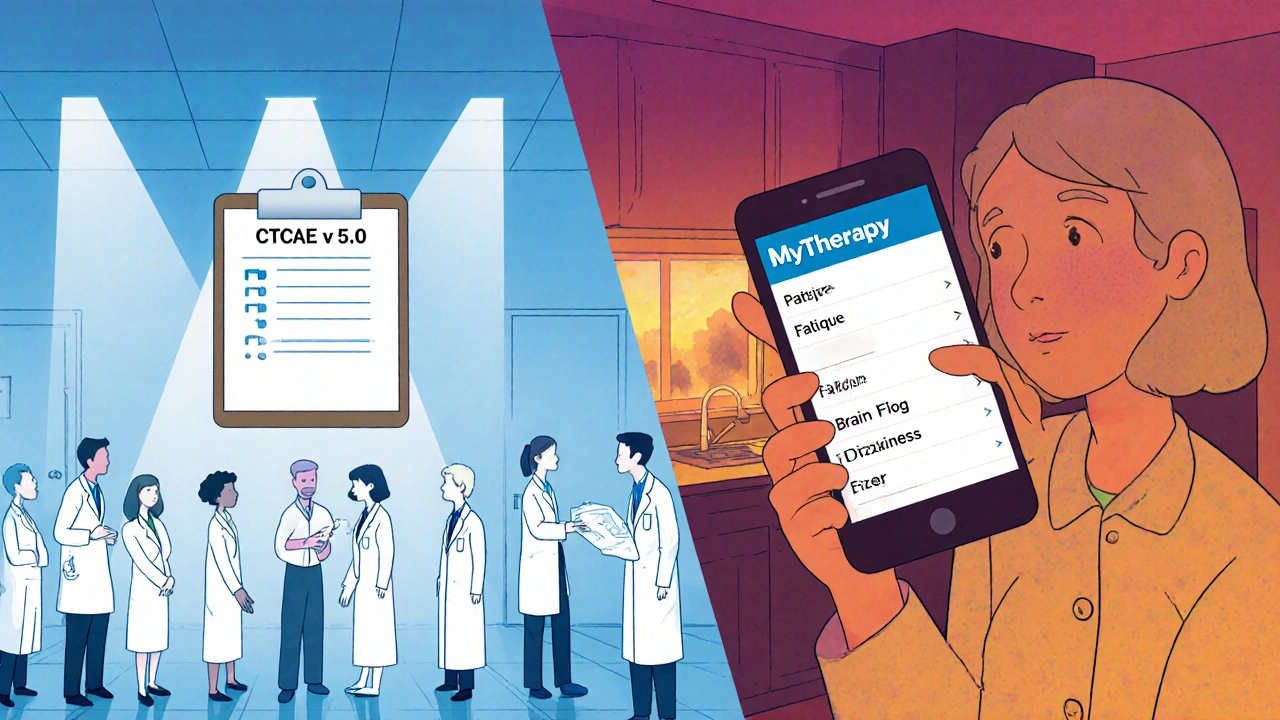
Side effects are messy. Some people get tremors, headaches, or awful diarrhea. Others gain weight, grow facial hair, or develop high cholesterol. These aren’t rare—they’re common. And they don’t always show up in clinical trials. Real people live with them every day. Tracking what you feel, when you feel it, and what you took that day? That’s how you find patterns. You might notice your blood pressure spikes after eating certain foods, or your energy drops after a sleepless night. These aren’t just annoyances—they’re signals your body sends when something’s off.
There’s no one-size-fits-all plan. What works for one transplant patient might make another sick. Your dose changes based on blood tests, how your organ is doing, and even what other meds you’re on. That’s why you need to know your numbers: trough levels, creatinine, liver enzymes. Don’t just show up for appointments—come ready with questions. And if your insurance denies coverage for your brand-name drug and pushes a generic? You have rights. You can appeal. You can ask for clinical evidence. You’re not powerless.
Below, you’ll find real stories and practical guides about managing these drugs—how to handle side effects, what to do when your insurance blocks your meds, how to travel with them safely, and why some drug combinations can be deadly. This isn’t theory. It’s what people actually deal with every day after a transplant. You’re not alone. And you don’t have to figure it out by yourself.
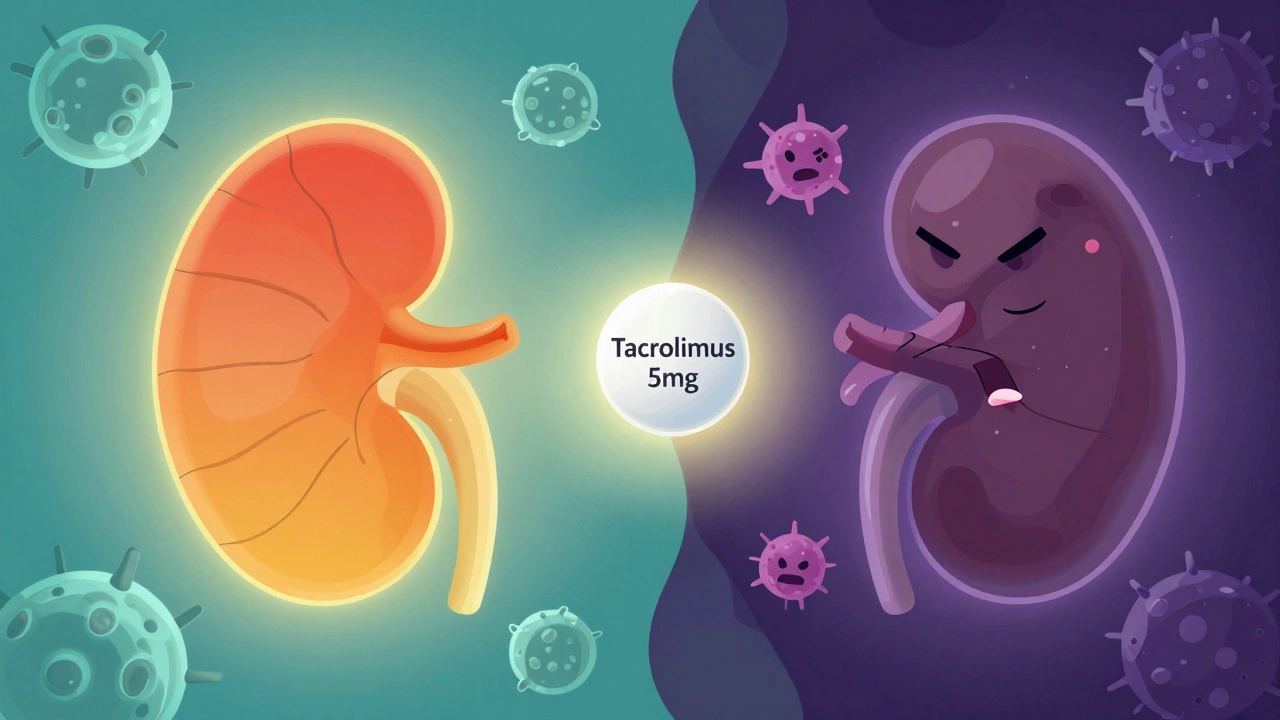
Cyclosporine and tacrolimus are critical for transplant patients, but generic versions carry hidden risks due to narrow therapeutic ranges. Learn why switching generics can trigger rejection and how to protect your transplant.
View More