When your body tries to reject a new organ, tacrolimus, a potent immunosuppressant drug used to prevent organ rejection after transplants. Also known as FK506, it works by quietly shutting down the immune cells that attack foreign tissue. Without it, kidney, liver, or heart transplants would fail in most cases. It’s not a cure—it’s a daily shield.
Tacrolimus doesn’t just block one pathway; it targets the very core of how your immune system recognizes threats. That’s why it’s so effective—but also why side effects like tremors, high blood pressure, and kidney stress show up so often. It’s not a drug you take lightly. People on tacrolimus need regular blood tests to make sure the level in their system stays in that narrow sweet spot: too low, and the organ gets rejected; too high, and you risk toxicity. Many patients take it for life, adjusting doses as their body changes.
What you might not realize is how many other drugs can mess with tacrolimus. CYP3A4, a liver enzyme that breaks down many medications. Also known as the main metabolic pathway for tacrolimus, it’s why grapefruit juice, certain antibiotics like clarithromycin, and even some antifungals can cause dangerous spikes in tacrolimus levels. On the flip side, St. John’s wort or seizure meds like phenytoin can make tacrolimus useless by clearing it too fast. This isn’t theoretical—it’s why doctors spend so much time reviewing every pill you take, even over-the-counter ones.
And it’s not just about the drug itself. Tacrolimus is part of a bigger picture. People taking it often also need medicines for high blood pressure, diabetes, or acid reflux—all of which can interact. It’s why tracking side effects, keeping a clean medication list, and knowing when to call your doctor matters more than ever. You’re not just managing a drug—you’re managing a system.
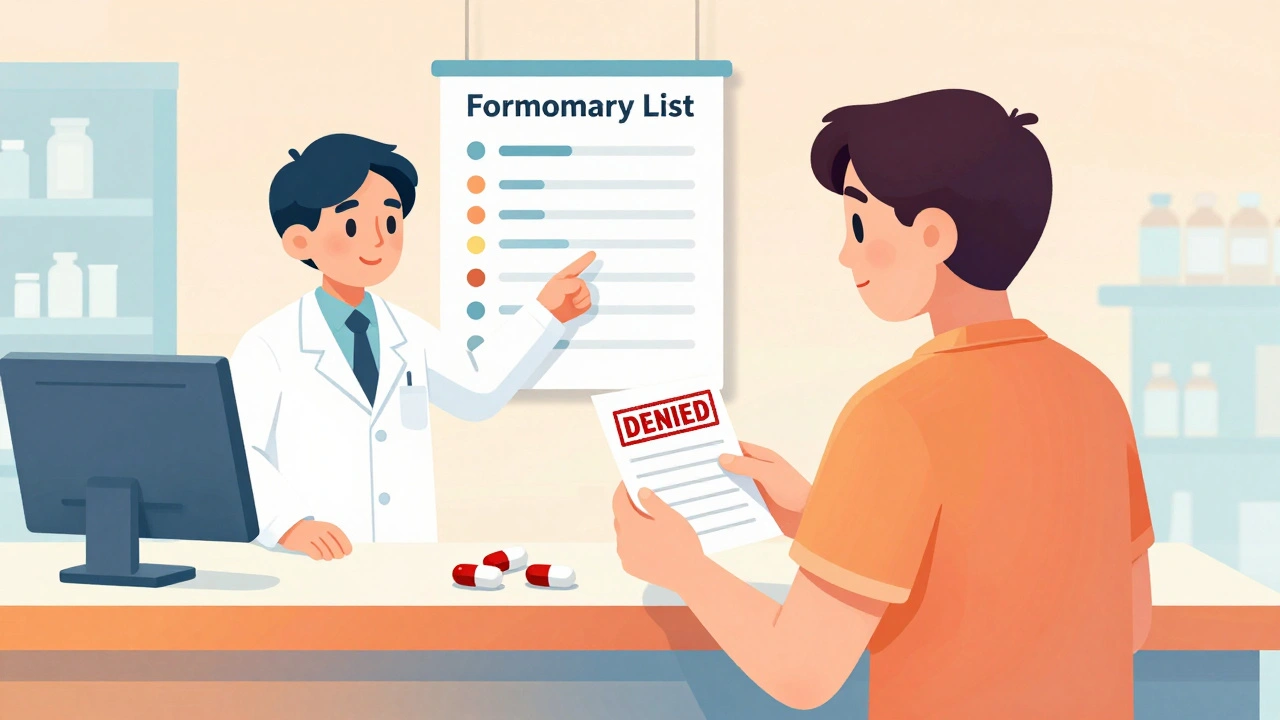
There’s no sugarcoating it: tacrolimus changes your life. But for hundreds of thousands of transplant recipients, it’s the reason they’re alive today. The posts below dig into the real-world challenges: how insurance fights coverage for it, why generic versions sometimes cost more than brand, what happens when labs show weird levels, and how to avoid dangerous mix-ups with other drugs. You’ll find practical advice on what to ask your pharmacist, how to spot early signs of toxicity, and why some people need to switch to other immunosuppressants over time. This isn’t just information—it’s what keeps you safe.
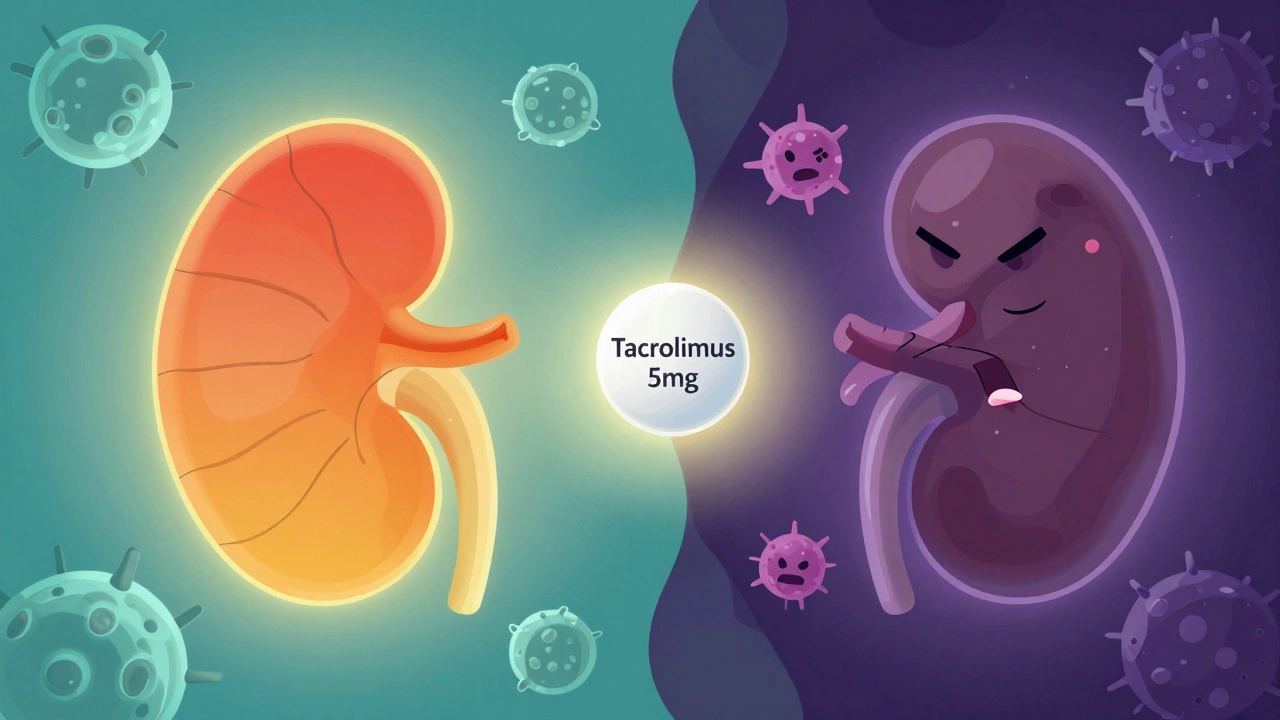
Cyclosporine and tacrolimus are critical for transplant patients, but generic versions carry hidden risks due to narrow therapeutic ranges. Learn why switching generics can trigger rejection and how to protect your transplant.
View More