
Switching from brand-name medications to generics is supposed to save money-without sacrificing effectiveness. And for many people, it does. But what happens after six months? Or two years? Or ten? If you’ve been on a generic drug for a while and suddenly feel off-more tired, more anxious, or your condition seems to be slipping-you’re not imagining it. There’s real data showing that long-term health after switching to generics isn’t always as straightforward as regulators claim.
Why Generics Are So Common
Generics make up about 90% of all prescriptions filled in the U.S. That’s over 6 billion prescriptions a year. The reason? Cost. A brand-name statin might cost $400 a month. The generic version? $4. That’s not a typo. For people on fixed incomes, especially seniors on Medicare, that difference is life-changing. Between 2008 and 2017, generics saved the U.S. healthcare system $1.67 trillion. That’s not just a number-it’s millions of people who could afford to keep taking their blood pressure pills, their insulin, their seizure meds. But here’s the catch: the rules for approving generics don’t require proving they work the same over years. They only need to show they’re bioequivalent. That means the amount of drug in your bloodstream within the first few hours after taking it should be within 80% to 125% of the brand-name version. Sounds precise? It’s not. That range allows for a 45% difference in how much drug your body actually absorbs. For most drugs, that’s fine. For others? It’s dangerous.When Bioequivalence Isn’t Enough
Some drugs have what’s called a narrow therapeutic index. That means there’s a tiny window between the dose that works and the dose that causes harm. Think epilepsy drugs like phenytoin, blood thinners like warfarin, or thyroid meds like levothyroxine. Even small changes in how your body absorbs these can lead to seizures, strokes, or heart rhythm problems. A 2013 study in JAMA Internal Medicine found that when patients with epilepsy switched to a different generic version-even one that met all FDA standards-their chances of stopping the drug within a year jumped by 35%. Why? Because the pills looked different. Color, shape, size. Patients got confused. They thought the new pill wasn’t working. Some skipped doses. Others panicked and stopped altogether. That’s not a drug failure. That’s a system failure. Even worse, a 2021 study from Ohio State University found that generic drugs made in India had 27% more severe adverse events-like hospitalizations or deaths-than those made in the U.S., even when they were the same chemical. This isn’t about quality control alone. It’s about how the drug is manufactured, stored, and tested over time. The FDA approves generics based on short-term lab tests. But what happens after 5 years of daily use? We don’t really know.The Real Cost of Switching
It’s easy to think savings = better outcomes. But that’s not always true. A 2015 study in PharmacoEconomics found that 64% of the time, switching to generics actually led to higher overall healthcare costs. Why? Because when people have side effects or feel worse, they end up in the ER, get admitted to the hospital, or need more tests. One study showed that patients who switched to a generic blood pressure drug had an 8-14% spike in adverse events in the first month-and those stayed elevated for the whole year. Medication adherence is another hidden factor. People who switch generics often get confused. If your pill changes color every time you refill, you start to doubt whether you’re taking the right thing. A 2020 University of Pittsburgh survey found that 61% of patients reported confusion after a pill change. And 22% of them cut back on doses because they weren’t sure it was the same medicine. On the flip side, some drugs actually work better as generics. Statins are the best example. A 2006 study showed that 77% of people stayed on generic statins compared to 71% on brand-name ones. Why? Because the price drop made it easier to keep taking them. Over five years, those people had an 8% lower risk of heart attack or stroke. So context matters. The drug, the condition, the patient-all of it changes the outcome.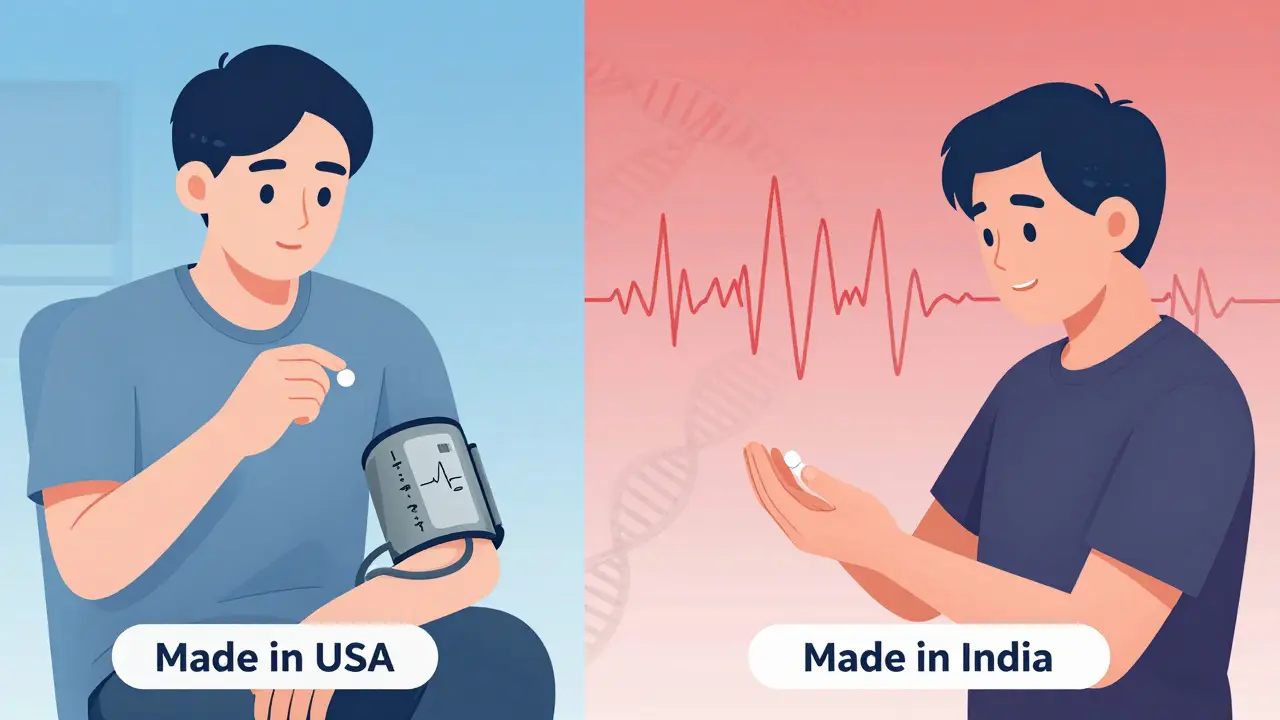
What the Experts Are Saying
Dr. Aaron Kesselheim from Harvard puts it bluntly: “Just because two pills have the same active ingredient doesn’t mean they’re interchangeable over the long term.” He’s not against generics. He’s against assuming they’re all the same. The American College of Physicians warns against switching patients multiple times between different generic manufacturers-especially for chronic conditions. One switch might be fine. Three in a year? That’s a recipe for instability. And then there’s Dr. Corey Nislow from the University of British Columbia. His team found DNA-damaging contaminants in nearly 4 out of 10 generic drugs tested. These aren’t acute toxins. They don’t cause immediate harm. But over 7-10 years of daily use? That’s a different story. We don’t have the data yet. But we should be worried.How to Protect Your Health After Switching
If you’re on a generic drug and you’ve been stable for months-or years-here’s what you should do:- Know your manufacturer. Don’t just take whatever the pharmacy gives you. Check the name on the pill bottle. Write it down. If your pharmacy switches to a different brand without telling you, ask why.
- Don’t let them switch you twice. If you’ve been on one generic for more than 6 months, ask your doctor to lock it in. Many pharmacy benefit managers automatically switch drugs to cut costs. That’s not in your best interest.
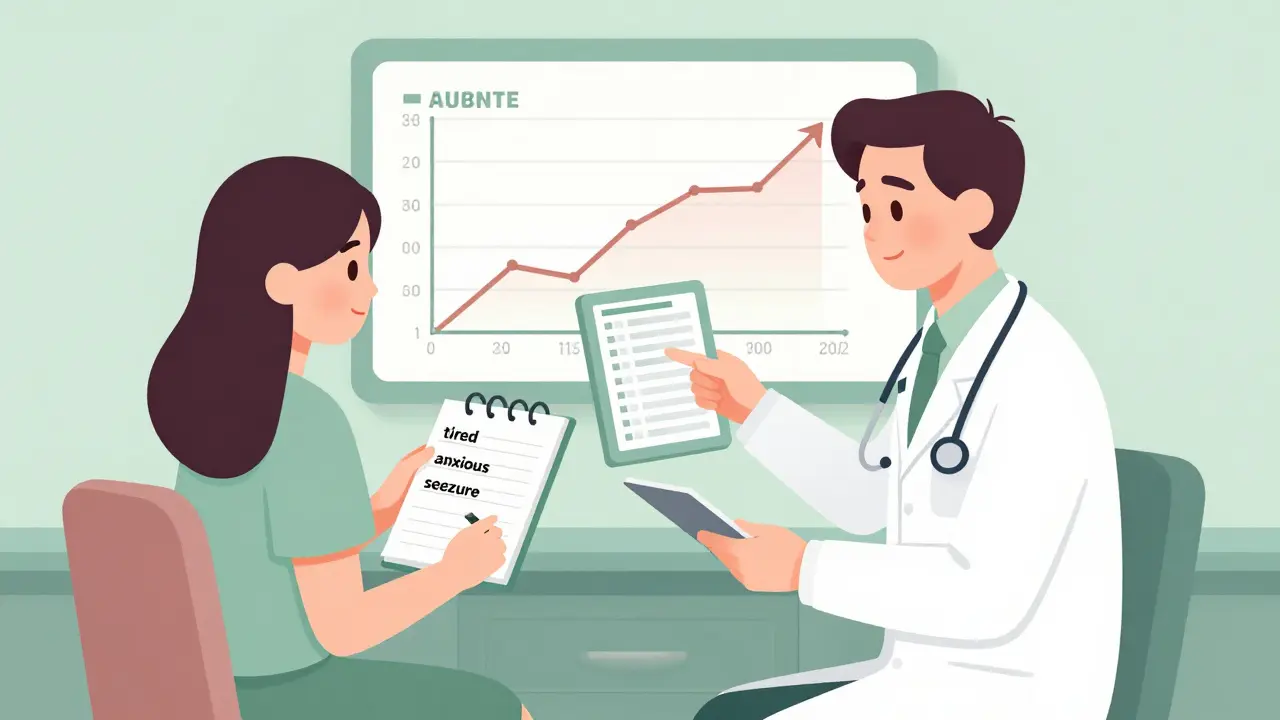
- Track your symptoms. Keep a simple log: energy levels, mood, side effects, any new symptoms. If you notice a change after a switch, bring it to your doctor immediately. Don’t wait. Don’t assume it’s “just aging.”
- Ask for a brand if needed. If you’ve been stable on a brand-name drug and a generic makes you feel worse, your doctor can write “Dispense as Written” or “Do Not Substitute” on the prescription. It’s legal. It’s your right.
- Use the same pharmacy. Chain pharmacies often change manufacturers to get the lowest price. Independent pharmacies are more likely to stick with one source. Ask them to do that for you.
What’s Changing in 2026
The FDA is finally starting to catch up. In 2023, they began requiring 36 months of stability data for generics used in chronic conditions-up from 24 months. That’s a step forward. The European Union is even stricter: countries like Germany and France now require 24 months of real-world patient data before approving generics for long-term use. Some health systems are starting to track which generic manufacturer you’re on in your electronic records. But only 35% of U.S. clinics do this. That’s not enough. If your doctor doesn’t know which version you’ve been on for the past three years, they can’t tell if a new symptom is from the drug-or something else.It’s Not About Being Anti-Generic
This isn’t about rejecting generics. It’s about using them wisely. Generics saved millions of lives by making essential medicines affordable. But treating them like commodities-swapping them like soda brands-is dangerous. Your body doesn’t care about the label on the bottle. It cares about consistency. It cares about what’s in the pill, year after year. If you’re on a generic for a chronic condition-high blood pressure, diabetes, epilepsy, thyroid disease, or depression-don’t assume everything’s fine just because the price is low. Monitor yourself. Speak up. Ask questions. Your long-term health depends on it.Are generics really as effective as brand-name drugs?
For most people and most drugs, yes. But not always. Bioequivalence standards only ensure similar blood levels in the short term. For drugs with a narrow therapeutic index-like seizure meds, blood thinners, or thyroid pills-even small differences in absorption can lead to serious problems over time. Real-world studies show some patients do worse after switching, even when lab tests say they shouldn’t.
Why do I feel different after switching to a generic?
It’s not just in your head. Changes in pill color, size, or shape can cause confusion and reduce adherence. More importantly, different manufacturers use different inactive ingredients (fillers, binders, coatings) that can affect how your body absorbs the drug. Some people are sensitive to these differences, especially with long-term use. If you notice new symptoms after a switch, document them and talk to your doctor.
Should I ask my doctor to keep me on the brand-name drug?
If you’ve been stable on a brand-name drug for years and a generic made you feel worse, absolutely. Your doctor can write a prescription that says “Dispense as Written” or “Do Not Substitute.” Insurance may require a prior authorization, but many will approve it if you’ve had stability issues with generics. Your health comes before cost savings.
Can I switch back to a brand if I’m on a generic?
Yes, and sometimes you should. If you’ve had worsening symptoms, hospitalizations, or loss of control over your condition after switching to a generic, going back to the brand may restore your stability. Many patients with epilepsy, heart disease, or autoimmune conditions report dramatic improvements after switching back. Don’t wait until you’re in crisis-talk to your doctor early.
How do I find out which generic manufacturer I’m getting?
Check the label on your prescription bottle. The manufacturer’s name is usually printed on the side or bottom. You can also ask your pharmacist directly. Some pharmacies list it in their online portal. Write it down and keep a record. If your pharmacy switches manufacturers without telling you, ask why. Consistency matters more than price when you’re taking a drug daily for years.
Are generics made in India less safe?
Some studies suggest yes. A 2021 study found generic drugs made in India had 27% more severe adverse events-including hospitalizations and deaths-than those made in the U.S., even for the same chemical. This doesn’t mean all Indian-made generics are unsafe, but it does mean manufacturing standards, quality control, and long-term stability testing vary widely. If you’re on a critical medication, ask your pharmacist where it’s made and consider sticking with U.S.-produced versions if available.



Roisin Kelly
January 22, 2026 AT 00:56michelle Brownsea
January 23, 2026 AT 18:18lokesh prasanth
January 24, 2026 AT 02:41Malvina Tomja
January 25, 2026 AT 06:37Yuri Hyuga
January 25, 2026 AT 22:13MARILYN ONEILL
January 27, 2026 AT 18:41Coral Bosley
January 28, 2026 AT 22:44Steve Hesketh
January 30, 2026 AT 03:48MAHENDRA MEGHWAL
January 31, 2026 AT 03:51Dee Monroe
January 31, 2026 AT 21:29Rod Wheatley
February 1, 2026 AT 03:46Jarrod Flesch
February 2, 2026 AT 05:28Barbara Mahone
February 4, 2026 AT 01:58