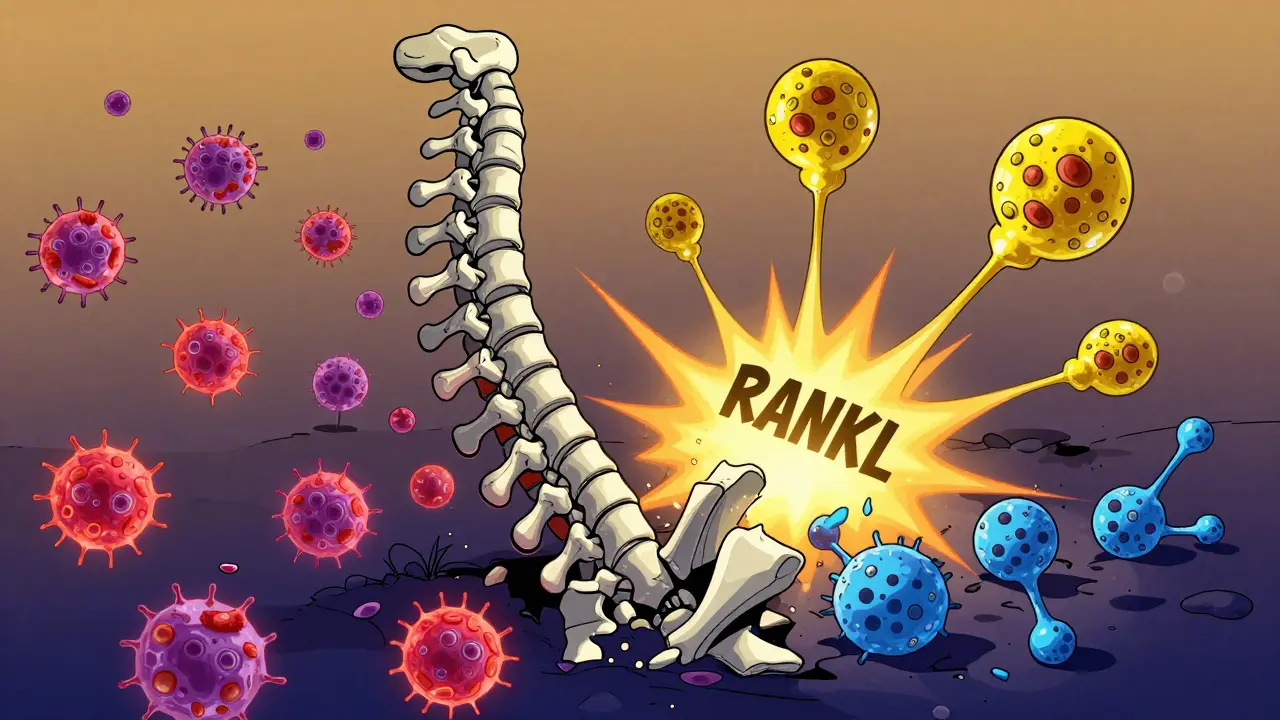
When you take more than one medication, your body doesn’t treat them like separate guests—it treats them like roommates fighting over the same bathroom. This is where pharmacokinetic interactions, how drugs change each other’s absorption, metabolism, distribution, or elimination in the body. Also known as drug metabolism interactions, it happens when one drug speeds up, slows down, or blocks how another drug is processed. These aren’t just theoretical risks—they’re real, measurable, and sometimes deadly. Think of your liver as a busy factory. Enzymes like CYP3A4, a key liver enzyme that breaks down over half of all prescription drugs and the P-glycoprotein, a transporter that pushes drugs out of cells and limits how much enters your bloodstream are the workers on the line. If one drug clogs the system, others pile up. If another shuts down the workers, drugs stick around too long. Both can turn a safe dose into an overdose.
It’s not just about what’s in your pill bottle. Common drugs like clarithromycin, certain antivirals, and even grapefruit juice can mess with CYP3A4. That’s why clarithromycin can spike blood pressure meds like amlodipine to dangerous levels. That’s why some HIV drugs make your cholesterol pills work too hard—and cause muscle damage. And that’s why GABA supplements might add up with your benzos, slowing your breathing more than either drug alone. These aren’t rare edge cases. They’re everyday risks for people on multiple prescriptions. The same system that lets your body clear toxins also makes you vulnerable when drugs compete. The good news? You don’t need a PhD to spot the red flags. If you’re on more than three meds, especially for chronic conditions like high blood pressure, depression, or diabetes, you’re in the zone where these interactions matter most.
What you’ll find below isn’t a textbook on biochemistry. It’s a practical collection of real-world stories and data from people who’ve been there. You’ll see how a simple antibiotic switch saved someone from a heart attack. How tracking side effects uncovered a hidden interaction with their blood thinner. How a doctor’s letter kept a traveler out of jail when crossing borders with opioids. These aren’t abstract concepts—they’re life-or-death details hiding in plain sight. Whether you’re managing your own meds, caring for someone else, or just trying to understand why your doctor keeps changing your prescriptions, this collection gives you the tools to ask the right questions before something goes wrong.
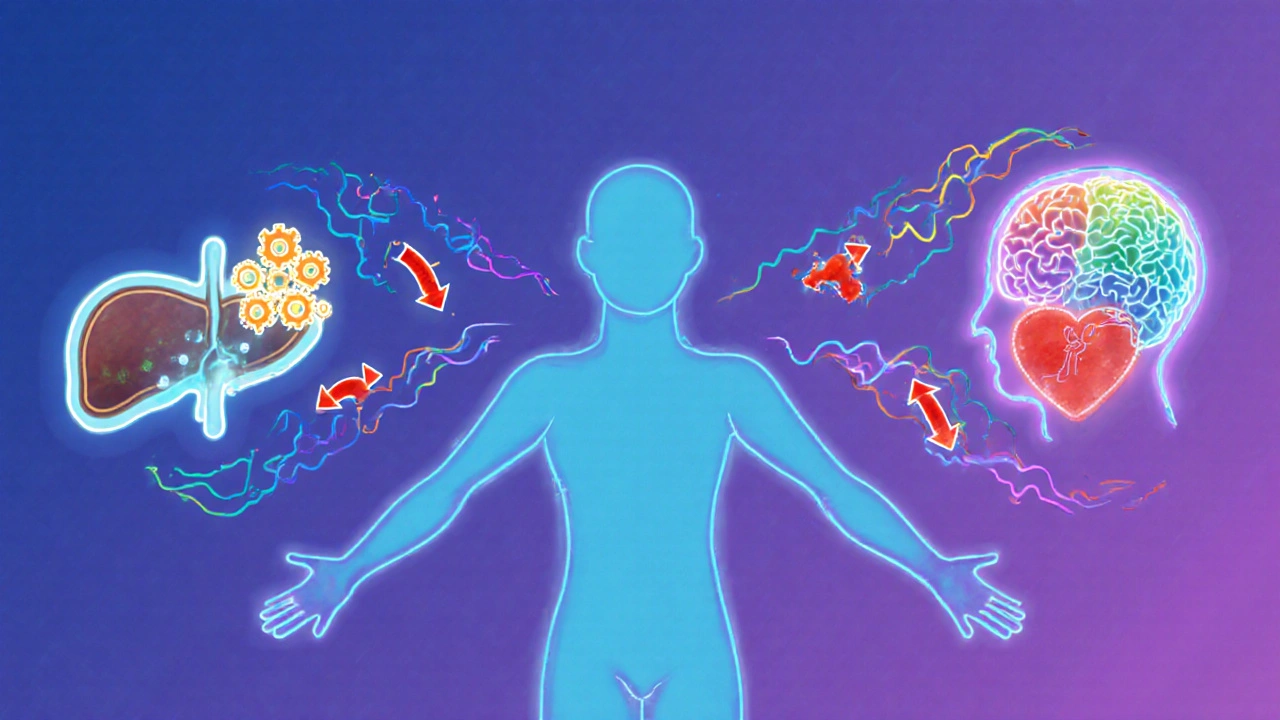
Understand the difference between pharmacokinetic and pharmacodynamic drug interactions-how they work, why they matter, and how to avoid dangerous combinations. Essential for anyone on multiple medications.
View More