
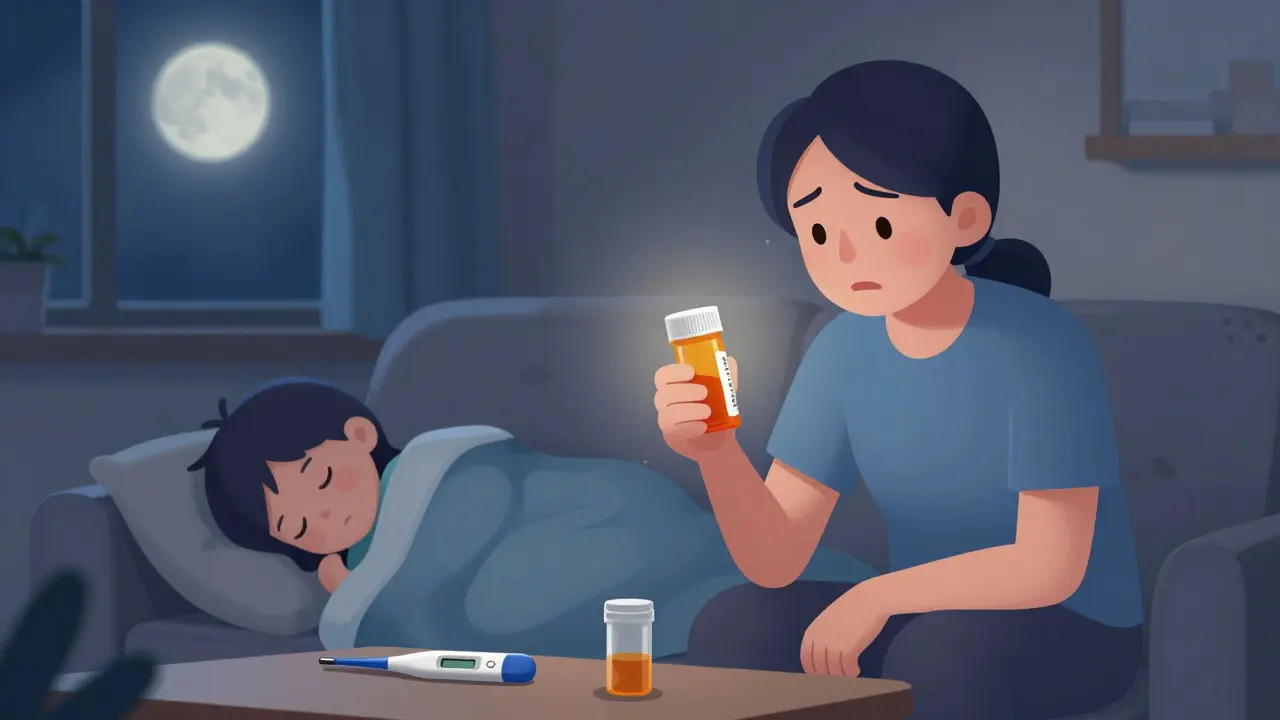
It’s December 2025. Your power’s out. The pharmacy is closed. Your child has a fever. All you have is a bottle of ibuprofen-expired by eight months. Or maybe it’s your partner’s insulin, expired three weeks ago. You’re not sure what to do. Should you use it? Is it safe? Or could it make things worse?
Expiration Dates Aren’t Just Random Dates
Every pill, liquid, or patch you buy has an expiration date printed on it. That’s not a marketing trick. It’s a legal requirement in the U.S. since 1979. Manufacturers test their products to guarantee they’ll work as intended up to that date. After that? They can’t promise anything.
But here’s the catch: expiration doesn’t mean “poison.” Most medications don’t suddenly turn dangerous the day after their date. The real issue is potency. A tablet might still be safe to swallow, but it could be 20% weaker. That’s not enough to kill you-but it might not help either.
Some Medications Are Never Safe to Use After Expiration
Not all expired drugs are created equal. Some are fine. Others are risky. And a few could be deadly.
Never use expired:
- Insulin-It loses potency fast. Using degraded insulin can cause dangerous blood sugar spikes or drops, especially in Type 1 diabetics.
- Thyroid medications-Even small changes in dosage can throw your metabolism off balance.
- Birth control pills-A drop in hormone levels can lead to unintended pregnancy.
- Anti-platelet drugs like aspirin or clopidogrel-If they’re not working, you could be at risk for a heart attack or stroke.
- Liquid medications-Eye drops, cough syrups, or injectables can grow bacteria or break down into toxic chemicals. The CDC warns these are high-risk.
If you’re facing a life-threatening condition-severe infection, chest pain, anaphylaxis-and the only option is an expired version of a critical drug, don’t use it. Wait. Call for help. Go to the ER. The risk of failure is too high.
Formulation Matters More Than You Think
How a drug is made changes how it behaves after expiration.
Tablets and capsules? Generally stable. If stored in a cool, dry place-like a bedroom drawer-they can stay effective for months or even years beyond the printed date. Solid forms degrade slowly.
Gel caps? Not so much. Heat and humidity make them sticky, soft, or discolored. If it looks like it’s melting or smells weird, toss it.
Liquids? Big red flag. Even if it looks clear, bacteria can grow. Chemical breakdown can happen. There’s no way to tell without a lab.
Topical creams? Lower risk. A slightly less effective hydrocortisone cream might not heal your rash as fast-but it won’t poison you.
Injectables? Never use. Not even close. No exceptions.
Storage History Is Your Hidden Variable
Where you kept your meds matters more than the date on the bottle.
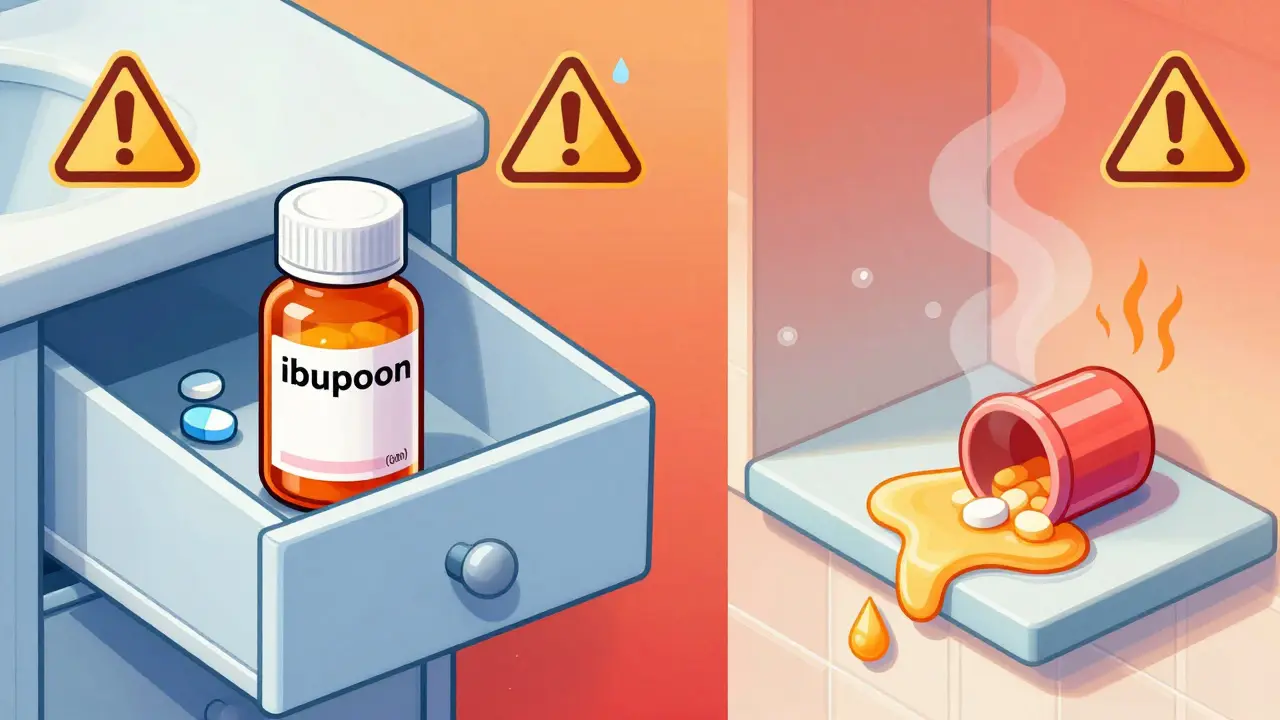
If your aspirin sat in a bathroom cabinet for five years? It’s been exposed to steam, heat, and moisture every time someone showered. That’s a recipe for degradation. Studies show meds stored in humid environments lose potency up to 37% faster.
But if that same bottle was tucked away in a dark closet with consistent room temperature? It might still be good.
Here’s the problem: in an emergency, you usually don’t know the storage history. You inherited the bottle. You found it in a drawer. You grabbed it during a power outage.
So you work with what you can see.
Visual Inspection: What to Look For
Before you even consider taking an expired pill, check it.
- Color-Has it turned yellow, brown, or gray? Toss it.
- Texture-Is it crumbly, sticky, or oily? That’s degradation.
- Odor-Does it smell like vinegar, mold, or chemicals? Don’t risk it.
- Particles-Any floating bits in liquids? Cloudiness in eye drops? Discard immediately.
- Label-Is the printing faded or smudged? That could mean moisture damage.
These signs don’t guarantee danger-but they’re warning lights. If you see any of these, don’t use the medication.
How Long Is Too Long?
There’s no universal answer. But here’s what the data says:
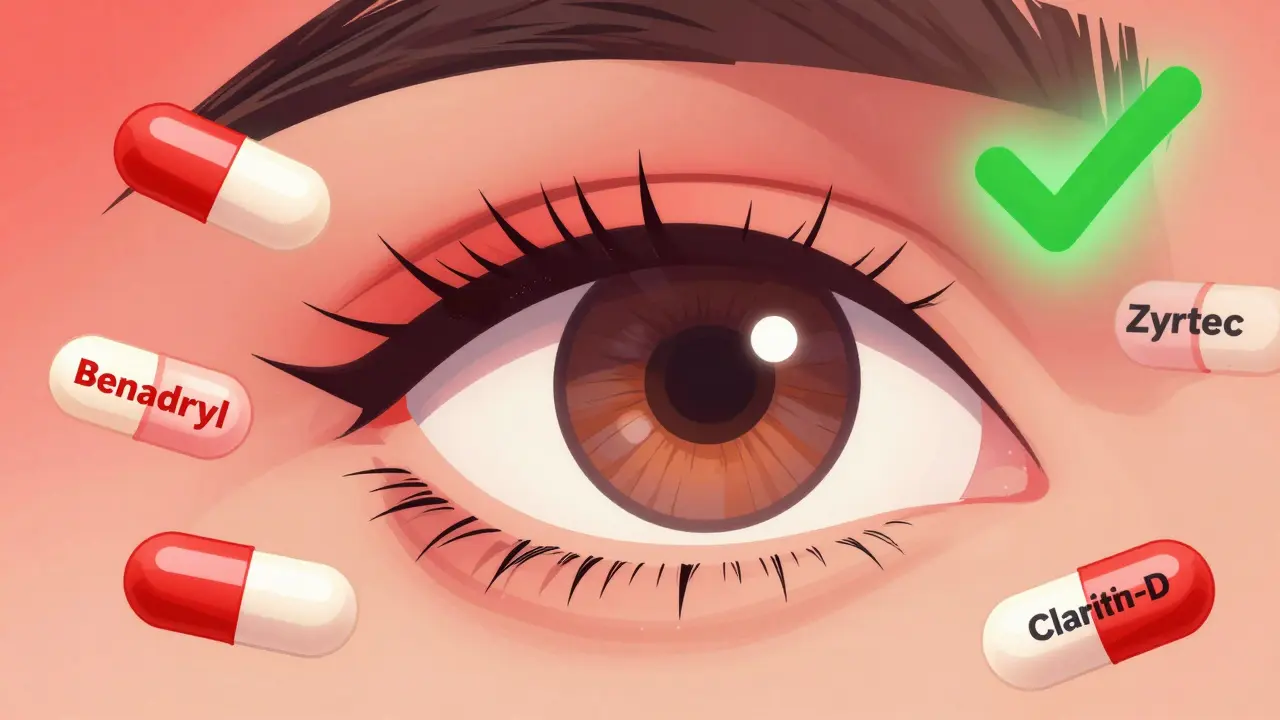
- Up to 12 months past expiration-For stable OTC drugs like ibuprofen, acetaminophen, or antihistamines, the risk is low if stored well and no signs of damage.
- 1-3 years past expiration-Potency drops significantly. Tylenol, for example, may retain only 80% effectiveness after its shelf life ends. Use only if absolutely necessary.
- More than 3 years-Avoid unless it’s a last-resort situation. The FDA says 90% of meds are still safe up to 15 years-but that’s under perfect storage conditions. Most homes don’t meet that standard.
Don’t rely on the FDA’s broad 15-year claim unless you know the meds were stored like a military warehouse. For most people, 12 months is the practical cutoff for non-critical meds.
Effectiveness Loss Is the Real Danger
Using an expired antibiotic might not hurt you-but it might not kill the infection either.
That’s the silent risk: sub-therapeutic dosing. If the drug is too weak, the bacteria survive. They adapt. They become resistant. That’s how superbugs form.
Same with asthma inhalers or seizure meds. A 10% drop in potency could mean a life-threatening flare-up.
For minor issues-headache, mild allergies, heartburn-a slightly expired antihistamine or antacid is usually low risk. You might not feel better, but you won’t get sicker.
For anything serious? Don’t gamble.
When to Use Expired Medication-Only If...
There’s a framework. Use it.
- Is it on the “never use” list? Insulin, thyroid meds, birth control, anti-platelets? Stop. Don’t use.
- How long has it been expired? More than 12 months? Proceed with extreme caution. More than 3 years? Avoid unless life is at stake.
- Does it look or smell off? Discoloration, stickiness, odor? Throw it out.
- What’s the condition? Mild headache? Maybe. Pneumonia? No.
- Is there any alternative? Even a neighbor’s unexpired pill is safer than your expired one.
If you decide to use it, take the smallest effective dose. Watch closely. If symptoms don’t improve in a few hours, stop. Seek help.
Why This Isn’t a Substitute for Good Habits
Washington State’s 2023 health report found that 82% of emergency visits involving expired meds could’ve been prevented.
How? By rotating your medicine cabinet. Every six months, check your pills. Toss anything expired. Don’t hoard. Don’t keep “just in case.”
Keep a small emergency kit with unexpired basics: acetaminophen, ibuprofen, antihistamines, and a thermometer. Store them in a cool, dry place. Replace them before they expire.
Prevention beats risk assessment every time.
What’s Coming Next?
The FDA is researching portable devices that could test medication potency at home-like a breathalyzer for pills. But as of October 2023, none exist for consumers.
Until then, your best tools are your eyes, your knowledge, and your judgment.
Expired meds aren’t always poison. But they’re never a first choice. They’re a backup. A last resort. And only when the stakes are low and the alternatives are gone.
When in doubt, don’t take it. Call a clinic. Go to the ER. Wait until you can get something fresh. Your body will thank you.
Can expired painkillers like ibuprofen still work?
Yes, if stored properly and expired less than 12 months ago. Ibuprofen and acetaminophen are stable solid medications. Studies show they often retain most of their potency for years, but effectiveness drops after the expiration date. Use only for minor pain or fever, never for serious conditions. Check for discoloration or unusual odor before taking.
Is it dangerous to take expired antibiotics?
It’s not just dangerous-it’s risky for public health. Expired antibiotics may not kill all the bacteria, allowing the strongest ones to survive and multiply. This leads to antibiotic resistance, making future infections harder to treat. Never use expired antibiotics for serious infections like pneumonia, urinary tract infections, or skin abscesses. If you have no alternatives, seek medical care immediately.
What should I do with expired medications?
Don’t flush them or throw them in the trash. Many pharmacies and local health departments offer take-back programs. In New Zealand, you can return expired meds to any pharmacy for safe disposal. If no program is available, mix pills with coffee grounds or cat litter in a sealed container before tossing them-this reduces risk of accidental ingestion or environmental harm.
Can I use expired insulin in an emergency?
No. Insulin degrades quickly and unpredictably after expiration. Even a small drop in potency can cause dangerous blood sugar swings. In an emergency with no access to new insulin, call emergency services or go to the nearest hospital. Do not rely on expired insulin. The risk of coma or death is too high.
Are expired liquid medications always unsafe?
Yes. Liquid medications-including cough syrups, eye drops, and injectables-are far more likely to grow bacteria or break down into toxic substances after expiration. The CDC explicitly warns against using any expired liquids. Even if they look clear, there’s no way to tell if they’re contaminated. Always discard them.
Does the country where the medication was made affect its expiration?
Yes. Different countries have different testing standards. U.S.-made drugs follow FDA guidelines, while European products may be tested under EU regulations. Some European manufacturers allow longer shelf lives for stable drugs. But unless you know the exact storage and testing history, assume the printed date is the only reliable guide. Don’t assume foreign meds are safer or more stable.
Can I extend the expiration date of my meds?
No. Pharmacists and doctors cannot legally extend expiration dates. The U.S. Department of Defense has a program that tests military stockpiles and extends dates for certain drugs-but this requires lab testing and controlled storage. Consumers have no access to this process. Never write a new date on a bottle. It’s not safe and it’s not legal.
What if I accidentally took an expired medication?
If it was a common OTC pain reliever and you feel fine, you’re likely okay. Watch for symptoms like nausea, dizziness, or worsening of your original condition. If you took insulin, thyroid meds, antibiotics, or a liquid medication, call poison control or seek medical advice immediately. Bring the bottle with you. Even if you feel fine, some effects can be delayed.
Vu L
December 27, 2025 AT 14:14Wow, so we’re supposed to just sit around waiting for the apocalypse to hand us fresh pills? I’ve seen people take expired ibuprofen for years-still works fine. The FDA’s 15-year study says most meds don’t go bad, but you’d never know it listening to this fear-mongering. Real talk: if you’re panicking over a pill that’s 8 months out, you’re the problem.
James Hilton
December 28, 2025 AT 19:14Y’all are treating expired meds like they’re radioactive. It’s not magic, it’s chemistry. Ibuprofen doesn’t turn into snake venom after a date. It just gets a little lazy. If your kid has a fever and the only thing you got is a 2024 bottle? Take it. Then go find a pharmacy. Not a drama. Just science.
Mimi Bos
December 29, 2025 AT 12:28i just took some expired tylenol last week bc my head was killin me and nothing happened?? like maybe i got lucky?? but also maybe its just fine?? idk i’m not a doctor but i’m also not dead??
Payton Daily
December 29, 2025 AT 20:53Let’s be real-this whole system is a scam. The expiration dates? Corporate propaganda. They want you buying new bottles every year so they can keep raking in cash. The government doesn’t care if you live or die-they care about profits. I’ve got a bottle of amoxicillin from 2019. It’s still in the original packaging. I’ve used it twice since. Still works. The real poison isn’t the pill-it’s the system that tells you you need to replace it.
And don’t get me started on the ‘don’t use expired insulin’ rule. What are you supposed to do when you’re in a rural town with no power and no ambulance? Wait for God to send a pharmacy? Wake up. We’re being manipulated.
Look, I’m not saying go wild. But if you’ve got a solid, dry tablet with no weird smell or color? You’re probably fine. The fear is the real killer here.
Kelsey Youmans
December 31, 2025 AT 17:32Thank you for this meticulously researched and thoughtful piece. It is imperative that individuals approach pharmacological decision-making with both scientific literacy and profound respect for biological systems. The potential consequences of subtherapeutic dosing, particularly with antibiotics and insulin, are not merely theoretical-they are clinically documented and life-altering. While the temptation to rely on expired medications in moments of crisis is understandable, the ethical imperative to prioritize safety over convenience remains unequivocal.
Sydney Lee
January 1, 2026 AT 08:46Let me just say this: if you’re even considering using expired insulin, you’re not just irresponsible-you’re a danger to society. People like you are why we have antibiotic resistance, why hospitals are overflowing, why the healthcare system is collapsing. You think you’re being clever? You’re just another dumbass who thinks they know better than science. And now you’re risking your child’s life because you didn’t want to walk to the ER. Pathetic.
oluwarotimi w alaka
January 2, 2026 AT 20:47USA always scare people with expiration date… in Nigeria we use medicine 5 year past date and no problem… you think FDA know everything? They just want you buy new bottle every time… same with vaccine… they lie… you think your medicine stored in cold room? No… it’s in hot warehouse… then you buy… so why you trust date? Trust your body… not corporate.
Debra Cagwin
January 3, 2026 AT 14:32For anyone feeling overwhelmed by this topic-you’re not alone. It’s scary to think about running out of meds, especially when you’re caring for someone vulnerable. But here’s the good news: you don’t have to figure this out alone. Talk to your pharmacist. Join a local community group. Keep a simple emergency kit with a few basics, and replace them every six months. Small steps, consistent care-that’s how we stay safe. You’ve got this.
Hakim Bachiri
January 4, 2026 AT 13:58Okay, but-have you seen the price of insulin?? $300 a vial?? And the government won’t fix it?? So now you’re telling people to just… die?? No. If you’re poor and your kid has a fever and the only thing you got is expired ibuprofen? You take it. And if you die? At least you tried. This isn’t a medical guide-it’s a class war. The rich get new pills. The rest of us? We gamble. And you want us to feel guilty for it? Nah.
Also-why do you think the FDA lets drugs expire so fast? It’s not safety. It’s profit. Always profit.
Ryan Touhill
January 4, 2026 AT 21:02It’s fascinating how emotional this topic has become. The truth is, we’ve built a culture of disposability-even with medicine. We don’t store things properly, we don’t track inventory, and then we panic when we need them. The real issue isn’t the expiration date-it’s the systemic failure to educate people on proper storage, rotation, and emergency preparedness. The FDA’s data is solid. The problem is the lack of public trust and infrastructure. Maybe we need a national medicine stewardship program-not just fear-based pamphlets.