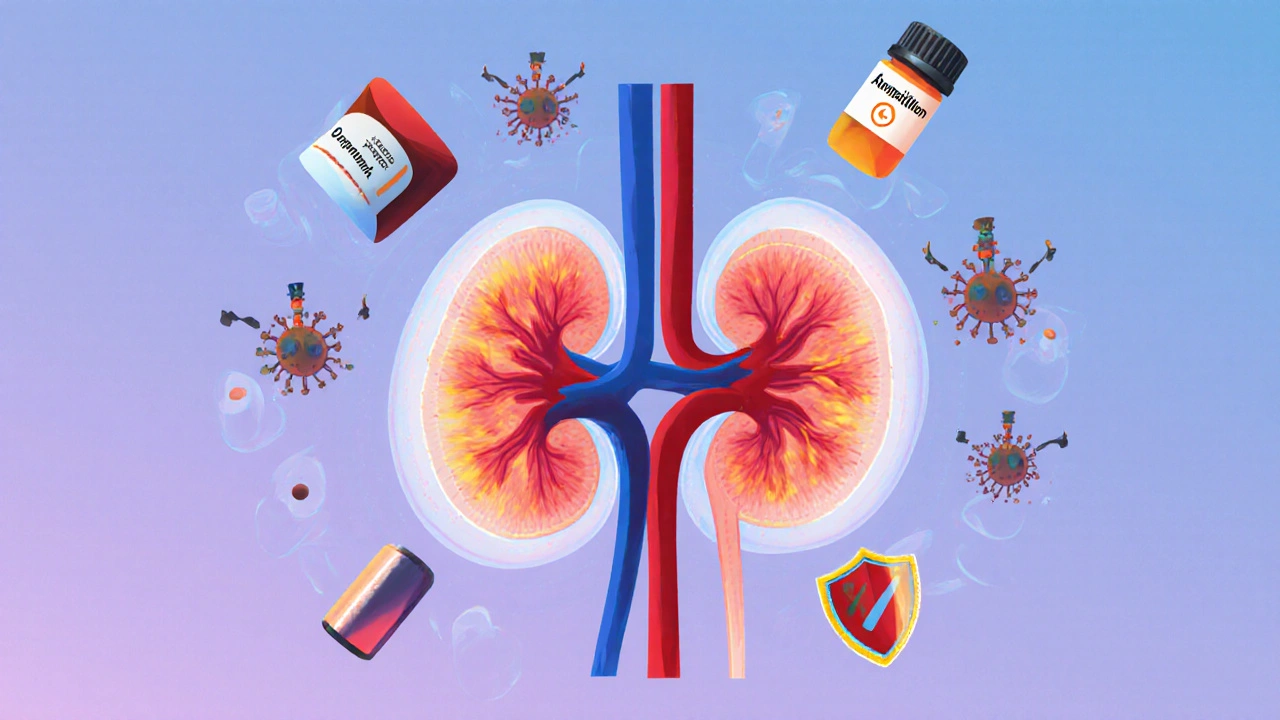
When your body struggles to manage blood sugar after eating, meglitinides, a class of oral diabetes medications that stimulate the pancreas to release insulin quickly. Also known as insulin secretagogues, they work fast—within minutes—and don’t stick around long, making them ideal for people who eat irregular meals or need precise post-meal control. Unlike longer-acting drugs, meglitinides are taken right before each meal, so they match your eating schedule, not the other way around.
They’re often used when metformin alone isn’t enough, or for people who can’t take sulfonylureas due to side effects. Common brands include repaglinide (Prandin) and nateglinide (Starlix). These drugs don’t make your body more sensitive to insulin—they simply tell your pancreas to release more of it, fast. That’s why they’re great for spikes after carbs but useless if you skip a meal. Taking them without eating can drop your blood sugar dangerously low, so timing matters. If you’ve ever had a sudden crash after eating and wondered why, it might be because your medication isn’t synced with your plate.
They’re not for everyone. People with severe liver problems or those already on insulin might need something else. And because they act so quickly, they can interact with other drugs that affect liver enzymes—like some antibiotics or antifungals—which can make them too strong or too weak. That’s why your doctor needs to know everything you’re taking, even over-the-counter stuff. They’re also not the first choice for older adults with kidney issues, where slower-acting drugs are safer.
What you’ll find in this collection isn’t just a list of facts. It’s real-world context. You’ll read about how meglitinides fit into the bigger picture of diabetes care, how they compare to other pills, and why some people switch away from them. You’ll also find posts on drug interactions, cost differences, and how to track side effects—because managing blood sugar isn’t just about the pill you take, it’s about how your whole body responds.
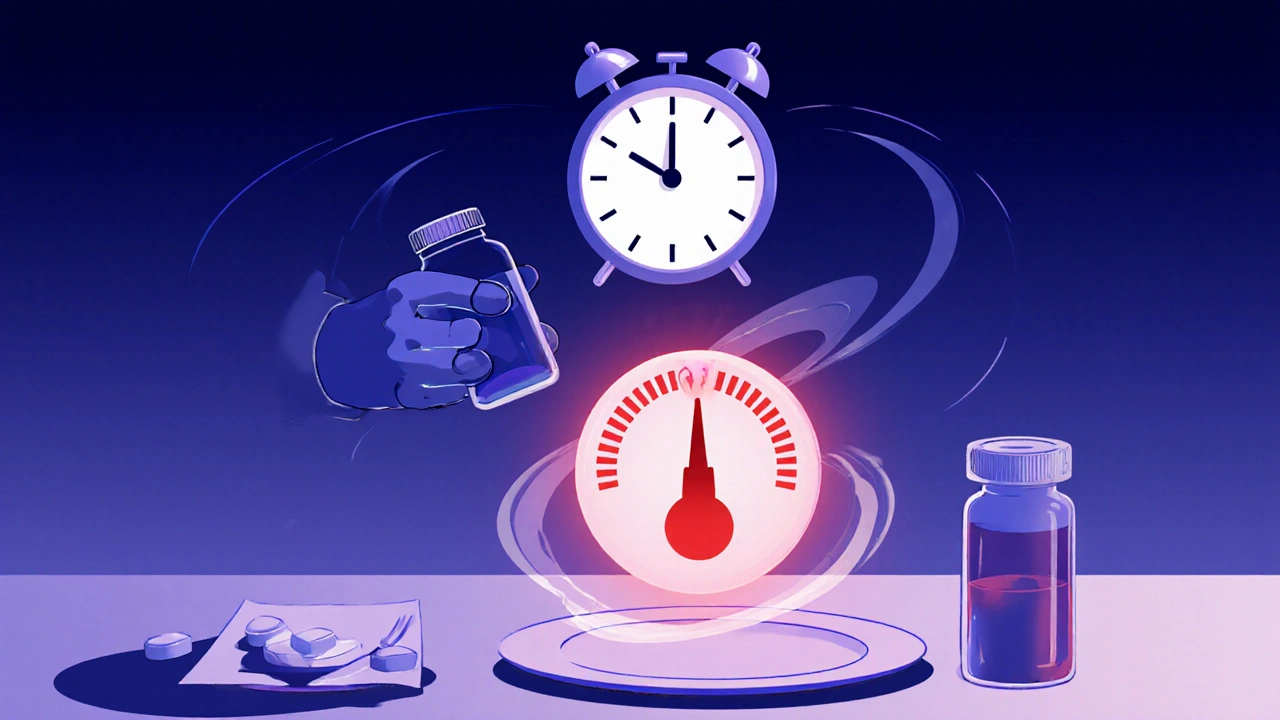
Meglitinides help control blood sugar after meals but can cause dangerous hypoglycemia if meals are skipped. Learn how repaglinide and nateglinide work, why timing matters, and how to stay safe.
View More