When you hear generic medicines, lower-cost versions of brand-name drugs that contain the same active ingredients, meet the same FDA standards, and work the same way in your body. Also known as generic drugs, they're the backbone of affordable healthcare for millions. But here’s the thing—just because they’re cheaper doesn’t mean they’re all the same. Some generic versions are made by the same companies that make the brand names. Others come from overseas factories with less oversight. And sometimes, the price of a generic drug doesn’t drop—it skyrockets. One pill went from $1 to $100 overnight. That’s not a glitch. That’s the market.
Generic drug prices, the cost of medications after their patent expires and competitors enter the market. Also known as generic medication cost trends, they don’t follow logic—they follow supply, consolidation, and profit motives. When only one company makes a generic, prices rise. When five companies compete, they drop. But if one of those five gets shut down by the FDA, or if a raw ingredient disappears from China, the price jumps. That’s why some generics cost $20 one year and $200 the next. And it’s not just about money. Generic substitution, when a pharmacist swaps a brand-name drug for its generic version without asking the patient. Also known as generic switching, it’s legal, common, and sometimes risky if you’re sensitive to fillers or coatings. A pill might have the same active ingredient, but different binders can change how fast it dissolves. For some people, that means the drug doesn’t work as well—or causes side effects they didn’t have before.
Doctors and pharmacists aren’t always in the loop about these shifts. You might get a different generic every time you refill. One month it’s made in India, next month in Hungary. The label says the same thing. But the pills look different. And you might feel different too. That’s why tracking your meds matters. Why knowing your exact generic name matters. Why asking your pharmacist which company made it matters. This collection of posts dives into the real stories behind generic medicines: how prices spike, how drug interactions hide in plain sight, why some generics fail silently, and how to protect yourself when your life depends on a pill that costs less than your coffee.
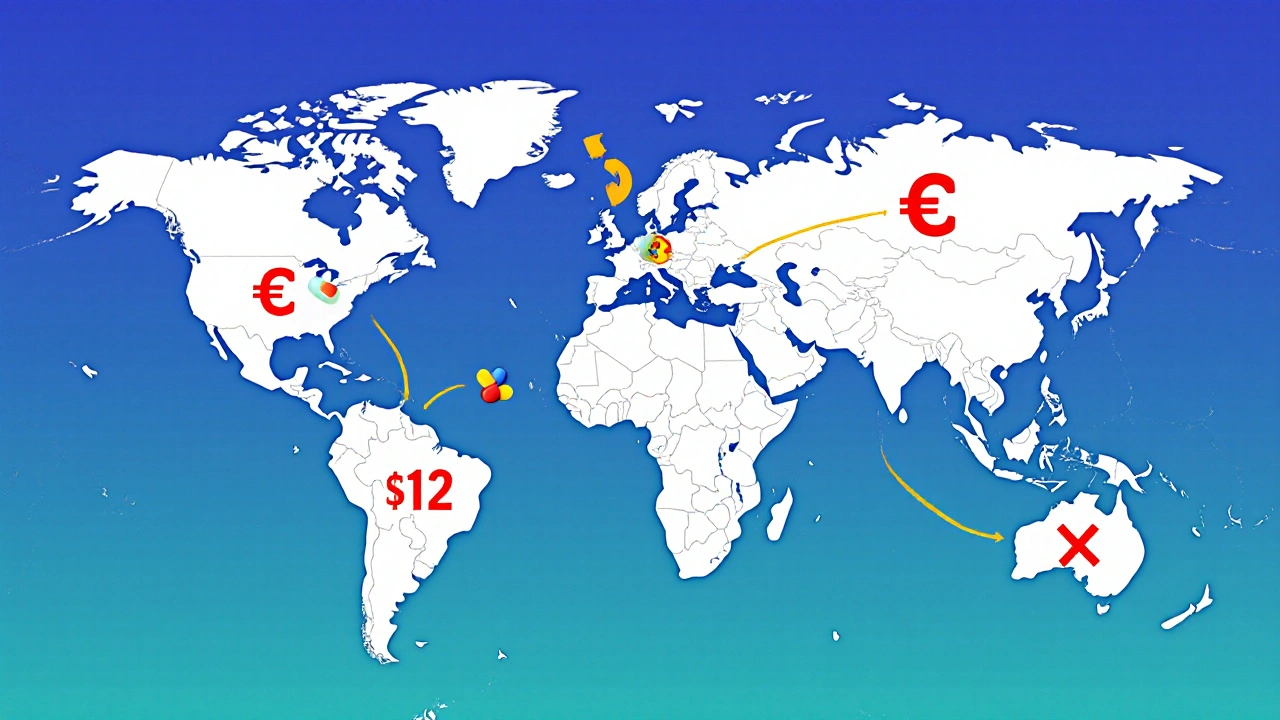
International reference pricing helps countries set lower prices for generic drugs by comparing costs across nations. Learn how it works, which countries use it, and the real impact on patients and manufacturers.
View More