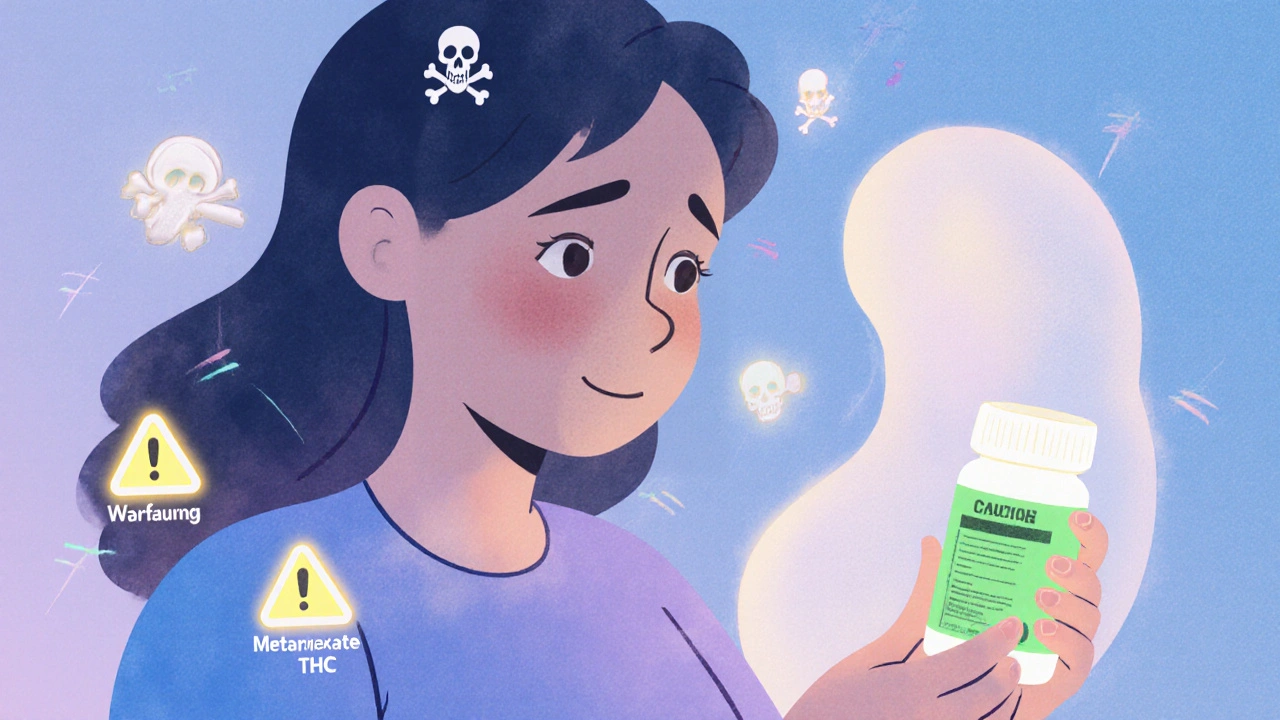
When your insurance says formulary restrictions, rules set by your health plan that determine which drugs are covered and under what conditions. Also known as drug formulary, these rules decide whether you get your prescription at a low cost—or not at all. It’s not about what your doctor thinks is best. It’s about what your plan’s pharmacy benefit manager (PBM) allows. And if your medication isn’t on the list, you might pay full price, get denied, or be forced to try cheaper alternatives first.
These restrictions show up in many ways: step therapy (you must try a cheaper drug first), prior authorization (your doctor must jump through hoops to get approval), or quantity limits (they only cover 30 pills, not 90). You’ll see this with pain meds, diabetes drugs, mental health prescriptions, and even common antibiotics. The insurance coverage, the extent to which a health plan pays for medications and medical services you think you have doesn’t always match reality. A drug might be FDA-approved, prescribed by your doctor, and clinically effective—but still locked out by a formulary. That’s because PBMs aren’t focused on your health. They’re focused on cost control, rebates, and contracts with drug makers. Some drugs are included not because they’re better, but because the manufacturer paid a big kickback.
And it’s not just about being denied. Even when you get the drug, formulary restrictions can force you into higher out-of-pocket costs. Tiered formularies put drugs into levels: Tier 1 is cheap generic, Tier 4 is expensive specialty meds. If your drug is on Tier 3 or 4, you could be paying hundreds per month. That’s why medication access, the ability of patients to obtain prescribed drugs without unnecessary barriers is often a battle. You might need a letter from your doctor, proof of failed alternatives, or even an appeal. Some people give up. Others switch to cash prices or overseas pharmacies. And that’s where sites like MailMyPrescriptions come in—helping you understand what’s really going on behind the scenes.
Look at the posts below. You’ll find real examples: how generic drug prices vary wildly across countries, why drug interactions like clarithromycin and calcium channel blockers get flagged in formularies, how insurance costs like copays and coinsurance stack on top of formulary rules, and how controlled substances face extra layers of restriction when traveling or refilling. These aren’t abstract policies. They’re daily hurdles for people managing chronic illness, pain, or mental health. You’re not alone if you’ve been stuck between a doctor’s recommendation and your insurance’s refusal. The system is designed to make you jump through hoops. But knowing how it works is the first step to pushing back.
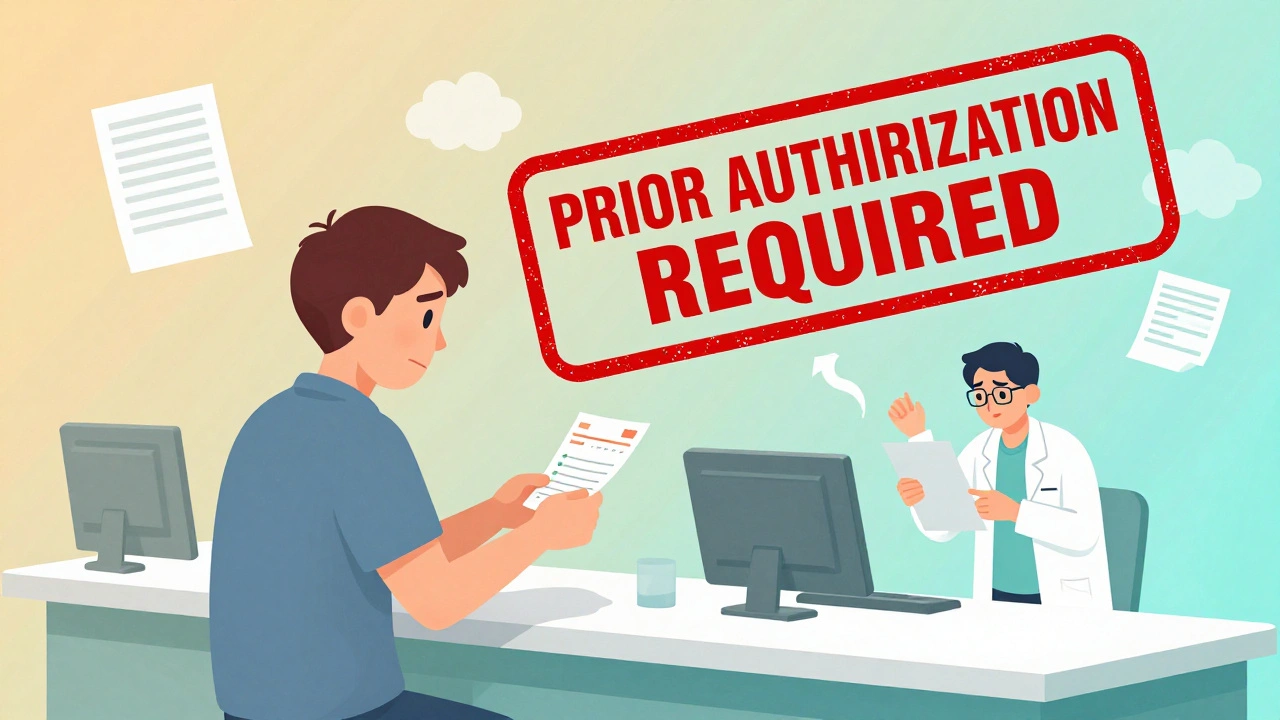
Generic medications are supposed to be affordable and easy to access-but many insurers now require prior authorization even for these low-cost drugs. Learn why this is happening, how it affects your health, and what you can do about it.
View More