
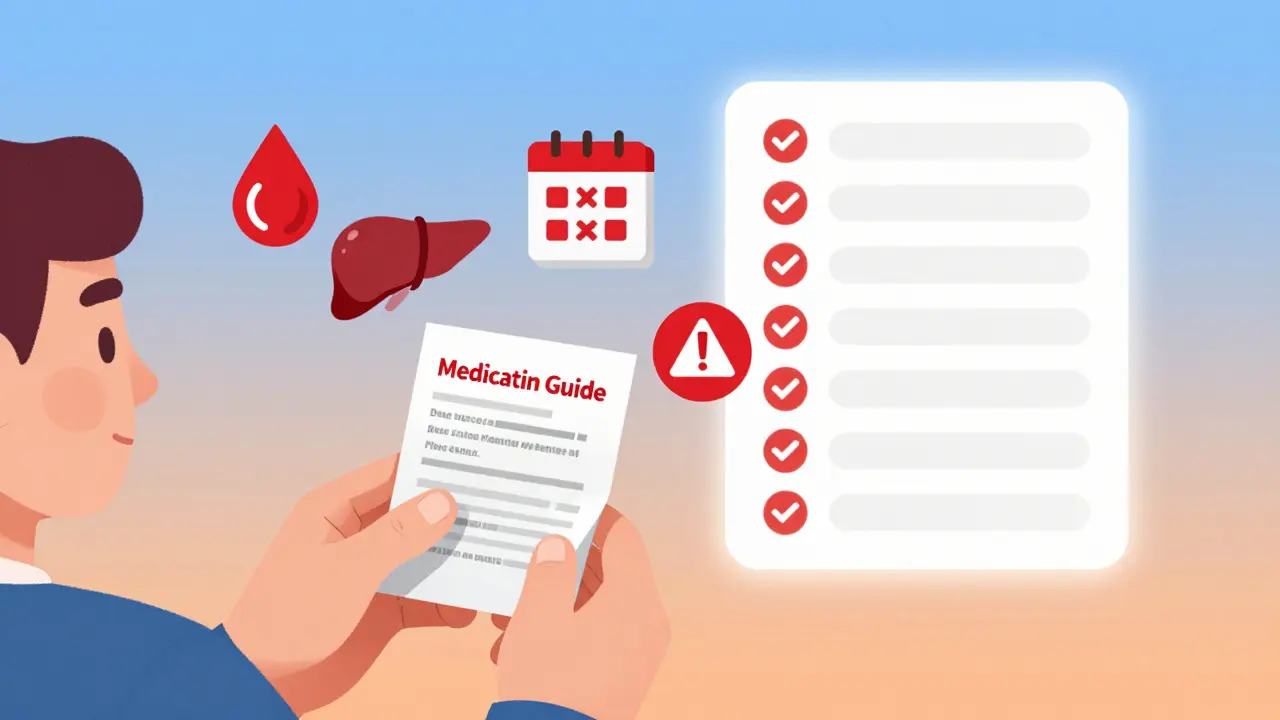
Every time you pick up a new prescription, you’re handed a small paper-sometimes folded, sometimes stapled-that could save your life. It’s called a Medication Guide. But most people glance at it, toss it in a drawer, and forget about it. That’s a mistake. These guides aren’t just paperwork. They’re your personal safety checklist for drugs that carry real, preventable risks. The FDA requires them for over 150 medications because without clear instructions, people get seriously hurt-or worse.
Why Medication Guides Exist
Not every drug needs one. Only medications with serious, avoidable dangers get a Medication Guide. Think blood thinners like warfarin, antidepressants, cancer drugs, or immune suppressants. These aren’t your typical painkillers or allergy meds. They can cause liver damage, dangerous drops in blood cells, or even sudden mood shifts that lead to suicide attempts. The FDA stepped in because studies showed patients who understood the risks had 32% fewer bad reactions. These guides aren’t written by lawyers or scientists. They’re designed to be understood by someone with a 6th to 8th grade reading level. That means no jargon. No confusing Latin terms. Just plain language: “This drug can cause serious liver damage” instead of “hepatic toxicity may occur.”The Seven Sections You Must Know
Every Medication Guide follows the same structure. You don’t need to read every word-but you must find these seven key parts:- What is the most important information I should know? This is the heart of the guide. It’s where the FDA forces manufacturers to spell out the biggest dangers in bold. For antidepressants, it says: “Pay close attention to any changes, especially sudden changes, in mood, behavior, thoughts, or feelings.” That’s not a suggestion. It’s a warning.
- What should I tell my healthcare provider before taking this? This section lists what you need to disclose. If you have liver disease, kidney problems, or a history of depression, it’s here. Missing this step can be deadly. For example, taking abiraterone (Zytiga) with severe liver issues can cause sudden liver failure.
- What are the possible or reasonably likely serious side effects? This is where monitoring instructions live. Look for phrases like “get your blood tested regularly,” “check your INR monthly,” or “watch for unusual bruising.” These aren’t vague. They’re exact. The clozapine guide says: “About 1 in 200 people may develop agranulocytosis.” That’s a 0.5% risk. But it’s deadly-and preventable with weekly blood tests for the first six months.
- How should I take this? This isn’t just about dosage. It’s about timing. The warfarin guide says: “If your dose is changed, your INR should be checked more often.” That’s critical. A simple dose bump without a follow-up test can lead to internal bleeding.
- What should I avoid while taking this? Alcohol? Sunlight? Driving? These aren’t afterthoughts. The JAK inhibitor tofacitinib guide says: “Avoid live vaccines.” The anticoagulant guide says: “Do not drink alcohol.” These aren’t suggestions. They’re safety rules.
- What are the possible side effects? This lists common issues like nausea or dizziness. Not as urgent, but still useful. If you get dizzy 25% of the time (as one guide states), you’ll know it’s normal-not a sign of something worse.
- How should I store this? Often overlooked, but important. Some drugs degrade in heat or light. If your insulin or epinephrine auto-injector isn’t stored right, it won’t work when you need it.
How to Read for Risk-Not Just Words
Most people read like they’re scanning a grocery list. That won’t work. Here’s how to read for safety:- Find the red flags. Look for these exact phrases: “get blood tests regularly,” “call your doctor immediately if,” “do not stop without talking to your doctor,” “avoid sunlight,” “may impair driving.” These are the FDA’s official red flags. If you see them, stop and pay attention.
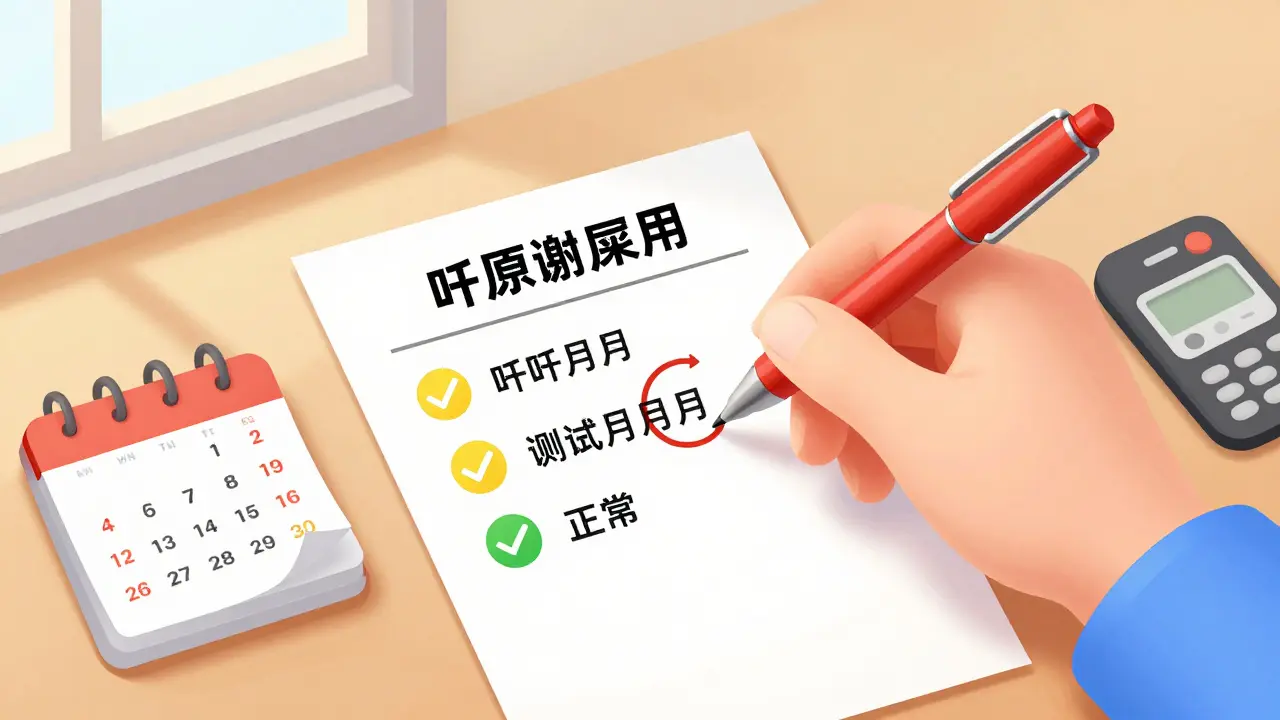
- Match the monitoring to the risk. If the guide says “test monthly,” write it on your calendar. Don’t assume “monthly” means “when I feel off.” That’s what 63% of patients get wrong. One man on Reddit said he skipped his monthly blood test for six months on a JAK inhibitor. He ended up in the hospital with dangerously low white blood cells. He didn’t feel sick until it was too late.
- Check the timeline. Many risks peak early. Antidepressants warn: “Risk is highest during the first 4-6 weeks.” That’s not a coincidence. It’s science. If you’re starting a new antidepressant, plan to check in with your doctor at 2 weeks and 6 weeks. Don’t wait for a crisis.
- Use numbers, not words. “May cause dizziness” is useless. “Causes dizziness in 25% of patients” is actionable. You can plan for it. The FDA found that using numbers improves understanding by 47%. Always look for percentages or frequencies.
Real-World Examples That Save Lives
Take warfarin (Coumadin). The guide says: “Your INR must be checked at least once a month. If your dose changes, check it sooner.” One patient in New Zealand followed this exactly. She had a minor fall and started bleeding. She knew her INR was 5.8-dangerously high. She called her doctor before she passed out. They adjusted her dose. She didn’t need a transfusion. Or consider Humira (adalimumab). The guide says: “Get a TB test before starting. Repeat every 6 months.” A woman in Wellington skipped her second test. Two years later, she developed active tuberculosis. She didn’t know she was at risk. The guide told her. She just didn’t read it. On the flip side, patients who used a simple “traffic light” system had 55% better adherence. Green = normal symptoms. Yellow = call your doctor. Red = go to emergency. They wrote these on sticky notes and put them on their fridge. Simple. Effective.What to Do If You Don’t Get a Guide
By law, you must get a Medication Guide every time you fill a prescription that requires one. If the pharmacist doesn’t hand it to you, ask for it. Don’t say, “Do I need this?” Say: “I need the Medication Guide for this drug.” In 2022, 41% of independent pharmacies failed to hand out guides consistently. That’s not normal. That’s a safety gap. If you’re denied, call the pharmacy’s corporate office. Or go to DailyMed (a free NIH site) and search your drug name. You can download the official guide there.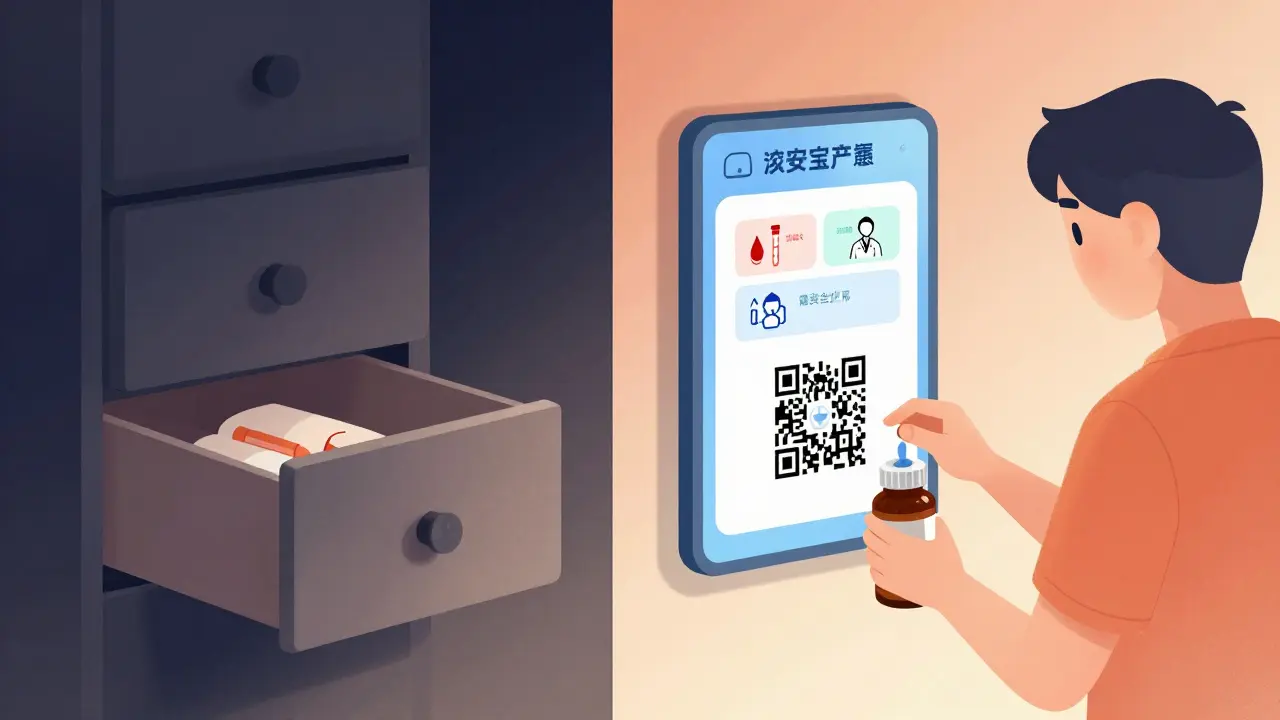
Tools to Make It Easier
You don’t have to memorize all this. Use these tools:- The 3-2-1 Method: Spend 3 minutes reading the guide before your first dose. Spend 2 minutes reviewing before each refill. Spend 1 minute checking for updates during treatment. The FDA recommends this. It takes less than 10 minutes a month.
- Highlight and Circle: Use colored pens. Highlight all words like “test,” “monitor,” “check.” Circle every time reference: weekly, monthly, immediately. Underline emergency symptoms in red. You’ll see patterns.
- Create a Monitoring Calendar: Write down every blood test or appointment. Set phone reminders. For warfarin, mark your INR dates. For clozapine, mark your weekly blood draws. This turns vague advice into action.
- Use Your Medication Journal: Write down what you read. Note the date you started, the monitoring schedule, and any symptoms. Patients who did this had 68% fewer bad reactions.
What’s Changing in 2026
The system is getting better. By 2026, all high-risk medications will have QR codes on the packaging. Scan it, and you go straight to the latest guide. Some drugs already do this. The FDA is also testing pictograms-simple icons showing when to test your blood or when to call for help. No reading required. And AI is coming. Pfizer’s pilot program now personalizes guides. If you’re 72, have kidney disease, and take three other drugs, the guide highlights only the risks that matter to you. No fluff. Just what you need to know.Don’t Let a Piece of Paper Be Your Last Warning
Medication Guides aren’t bureaucracy. They’re your lifeline. They exist because people died from things that could’ve been avoided. You don’t need to be a doctor to understand them. You just need to read them-once, carefully, and then again when you refill. Your life isn’t a gamble. Don’t leave your safety to chance. Open that guide. Find the red flags. Write down the dates. Ask questions. That’s not being paranoid. That’s being smart.Do I really need to read the Medication Guide every time I get a refill?
Yes. Manufacturers update guides within 30 days of new safety info. A drug that was safe last month might have a new warning this month. The FDA updated 92% of guides in 2022. If you don’t check, you’re relying on outdated advice. Even if the pill looks the same, the risks might have changed.
What if I don’t understand something in the guide?
Don’t guess. Call your pharmacist or doctor. Ask: “Can you explain the monitoring part?” or “What does ‘get blood tests regularly’ mean for me?” Pharmacists are trained to break this down. In one study, when pharmacists spent 90 seconds pointing out the key sections, patient compliance with blood tests jumped from 45% to 82%.
Are Medication Guides the same as the package insert?
No. The package insert is for doctors-full of technical details. The Medication Guide is for you. It’s shorter, simpler, and only required for drugs with serious, preventable risks. If your drug has a Medication Guide, that’s the one you need to read. Ignore the insert unless your doctor asks you to.
Can I get a digital copy if I lose the paper?
Yes. Go to DailyMed (dailymed.nlm.nih.gov), type in your drug name, and download the official FDA-approved guide. It’s free, up to date, and legally identical to the paper version. Many people save it on their phone. Set a reminder to check it every time you refill.
Why do some guides seem easier to understand than others?
Because they’re designed differently. Guides for drugs like Humira or warfarin are clearer because they’ve been refined over years based on patient feedback. Cancer drug guides are often harder-they’re packed with complex risks. But even the toughest ones have the same structure. Focus on the bold sections: “Most Important Information” and “Serious Side Effects.” That’s where the life-saving info is.
Is there a way to know if my drug should have a Medication Guide?
Yes. If your drug has a “Black Box Warning” on the label-that’s the FDA’s strongest alert-it must come with a Medication Guide. You can also check the FDA’s website or ask your pharmacist: “Does this drug require a Medication Guide by law?” If they hesitate, they’re probably not following the rules.




Vanessa Barber
January 21, 2026 AT 20:28Look, I get it. But I’ve read these guides for 15 years and never once had a problem. The only time I ever checked was when my pharmacist shoved it at me like I was a criminal. Most people aren’t going to read it. They’re busy. They’re tired. They just want the pill to work.
dana torgersen
January 22, 2026 AT 19:21you know… it’s funny… how we’re told to read these things… but no one ever teaches us how to… like… actually… read them? like… what does ‘monitor regularly’ even mean?… is that… once a week?… twice?… every tuesday?… the FDA doesn’t specify… and yet… we’re supposed to just… know?… it’s so… frustrating…
Kerry Evans
January 22, 2026 AT 21:55Anyone who doesn’t read the Medication Guide is either reckless or stupid. I’ve seen people die because they ignored the black box warning on methotrexate. It’s not rocket science. It’s a one-page document with bold text. If you can’t read that, you shouldn’t be taking prescription drugs. This isn’t about ‘being paranoid’-it’s about not being dead.
Susannah Green
January 24, 2026 AT 15:32I’m a pharmacist, and I can tell you: the biggest problem isn’t patients ignoring the guide-it’s that most of us don’t take the time to explain it. I’ve had patients come in with guides still stapled shut. I spend five minutes pointing out the red flags-‘this is your warning,’ ‘this is your test schedule’-and suddenly they’re actually following it. It’s not about literacy. It’s about delivery. If you hand someone a guide and walk away, you’ve failed them.
Pro tip: highlight the ‘most important information’ section with a yellow marker. That’s the only part that matters on day one.
Kerry Moore
January 24, 2026 AT 19:18While the intent behind the Medication Guide is undeniably laudable, one must also consider the cognitive load imposed upon individuals already managing chronic conditions. The proliferation of information, even when simplified, may inadvertently contribute to decision fatigue. A structured, prioritized framework-such as the proposed traffic light system-may serve as a more sustainable intervention than reliance on passive reading.
Sue Stone
January 24, 2026 AT 23:10My grandma reads hers every time. She keeps it in a binder with all her meds. I thought it was overkill… until she caught a new warning on her blood pressure med and called her doctor before her next refill. Now I do it too. Just… keep it simple.
Anna Pryde-Smith
January 25, 2026 AT 18:24I almost DIED because I didn’t read the guide. I was on clozapine. I skipped my blood tests because I ‘felt fine.’ I had zero warning. Zero. My white blood cell count dropped to 300. I was in the ICU for three weeks. I didn’t know what ‘agranulocytosis’ meant. But I know what ‘go to the ER if you’re dizzy and feverish’ means. I’m screaming this from the rooftops: READ THE GUIDE. YOUR LIFE IS NOT A GAME.
Oladeji Omobolaji
January 26, 2026 AT 00:36Back home in Nigeria, we don’t even get these papers. We just get the pill and hope. I wish we had this. I printed out the guide for my cousin’s dad who’s on warfarin. He didn’t believe me until he saw the INR numbers. Now he checks every week. Small thing. Big difference.
Janet King
January 27, 2026 AT 13:50Always check the date on the guide. I once took a new prescription and assumed the guide was current. It was from 2019. The drug had a new black box warning in 2021. I went to DailyMed and found it. Don’t trust the paper. Trust the website.
Stacy Thomes
January 27, 2026 AT 21:32STOP. PUT. THE. PHONE. DOWN. AND. READ. THE. GUIDE. I’m not yelling. I’m screaming. I lost my brother because he thought ‘dizziness’ was just a side effect. It wasn’t. It was his body screaming. Don’t be him. Open it. Right now. I’ll wait.
Dawson Taylor
January 28, 2026 AT 09:16Information alone does not change behavior. Structure does. The 3-2-1 method works because it transforms anxiety into routine. Habit replaces fear. That is the true innovation-not the guide, but the ritual around it.