
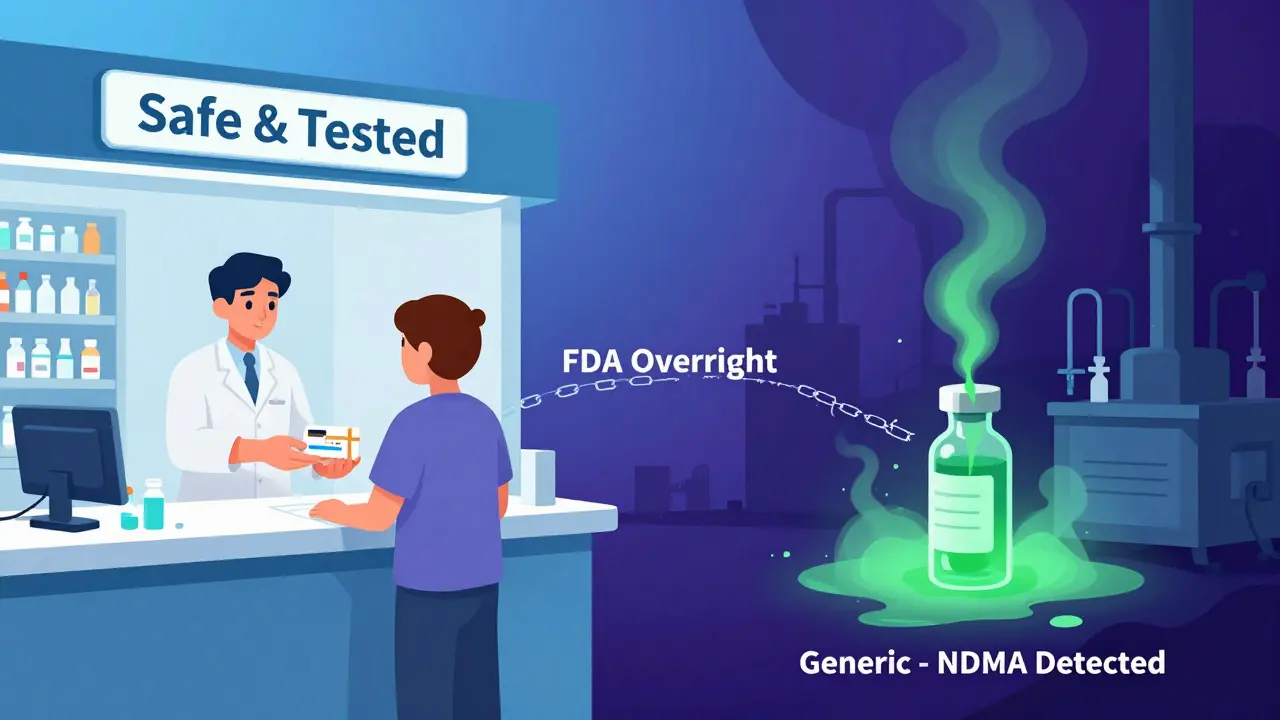
Generic drugs save billions every year. In the U.S. alone, they make up 92% of all prescriptions filled. But behind the low price tag, a hidden risk is growing: contamination. Over 8,000 drug recalls since 2018 have been tied to impurities - some deadly. And it’s not just one bad batch. It’s a pattern. From cancer-causing chemicals in blood pressure meds to toxic fumes in pain patches, the system is cracking. Here’s what’s really happening - and how to protect yourself.
What’s Going Wrong in Generic Drug Manufacturing?
Generic drugs aren’t copies. They’re supposed to be identical in active ingredient, strength, and performance to brand-name drugs. But the path to making them cheaply has created dangerous shortcuts. Many manufacturers, especially overseas, cut corners to keep costs low. That means skipping proper testing, using unverified suppliers, or even destroying quality records when inspectors show up. One of the most shocking cases involved Valsartan, a common blood pressure drug. In 2018, labs found NDMA - a known human carcinogen - in batches made by Zhejiang Huahai Pharmaceutical in China. The levels? Up to 200 times the FDA’s safe limit. Patients who took it for years saw their risk of colorectal cancer jump from 4 per 100,000 to 27 per 100,000. By September 2025, over 1,300 lawsuits were filed. The company had changed its production process, added sodium nitrite to cut costs, and never tested for the toxin it created. It didn’t stop there. In 2025, Mucinex products sold at Walgreens were found to contain benzene - a chemical linked to leukemia - at levels up to 4.7 parts per million. The FDA’s limit is 2 ppm. Two women who took it daily for 18 months developed bone marrow damage consistent with benzene exposure. Independent testing confirmed it wasn’t a fluke. The same batch numbers showed up in multiple states. Then there’s chemotherapy. In 2023, 17 cancer drugs from Indian manufacturers failed basic dissolution tests. Twelve of them contained less than 80% of the labeled active ingredient. The FDA inspected Intas Pharmaceuticals in Ahmedabad and found workers shredding quality documents and pouring acid on them. That wasn’t negligence. It was sabotage. The result? 92% of U.S. cancer centers faced shortages. Patients got ineffective treatment. Some went into remission only after switching to the brand-name version.Who’s Behind the Contaminations?
It’s not random. The problem is concentrated. India produces about 40% of the generic drugs sold in the U.S. - and 16 of the 17 failed chemo drugs came from there. Zee Laboratories alone has been flagged 46 times since 2018. In one 2024 inspection, inspectors found visible particulate matter - dirt, fibers, even mold - in 100% of the vials of cisplatin they tested. China supplies 80% of the active pharmaceutical ingredients (APIs) used in U.S. generics. But the FDA inspects only 13% of Indian facilities each year. With over 28,000 foreign plants needing inspection and a budget of just $78 million, they’re overwhelmed. Meanwhile, 83% of the top 100 generic drugs in the U.S. contain no American-sourced APIs. That means no oversight. No traceability. No accountability. Even the FDA’s own reports hide names. Since 2008, they’ve redacted the drug names linked to contaminated facilities in public inspection summaries. That makes it impossible for doctors or pharmacists to know which specific generics are risky. Patients are left guessing.The Human Cost
This isn’t just about paperwork or recalls. It’s about lives. One patient in New York, taking generic levothyroxine for hypothyroidism, saw her TSH levels spike out of control. Three different batches failed potency tests. She only stabilized after switching to the brand. Her endocrinologist said it wasn’t unusual. In oncology, the numbers are worse. At Memorial Sloan Kettering, 7 out of 11 patients receiving contaminated cisplatin saw no tumor shrinkage - even though their doctors followed the protocol exactly. Their tumors kept growing. One patient died. The family later learned the drug they received contained only 68% of the labeled dose. Fentanyl patches are another nightmare. Between 2002 and 2025, 52 million patches were recalled due to seal failures. In 2023, Sandoz recalled 1.2 million Duragesic patches because 0.8% leaked more than 15% of their dose. That’s enough to kill someone who didn’t need opioids. Emergency rooms saw spikes in overdoses linked to these patches - patients who thought they were taking a controlled dose, but got a full, dangerous one.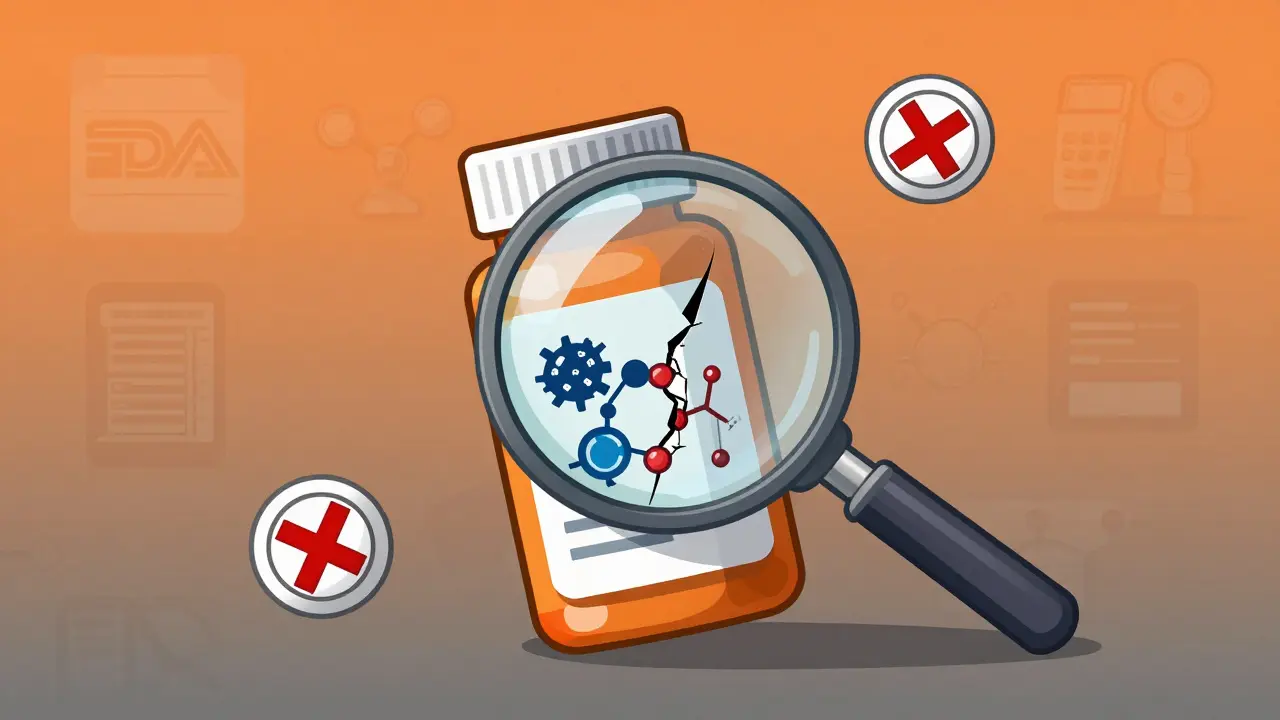
Why Doesn’t the FDA Fix This?
The FDA knows. Their 2025 internal review admitted they have “significant gaps in oversight.” They’ve launched programs like the Pharmaceutical Quality for the 21st Century initiative and GDUFA III, which require real-time testing for high-risk drugs. But adoption is slow. Only 3% of Indian plants use advanced Process Analytical Technology (PAT) systems that catch problems as they happen. Most still rely on end-of-line sampling - like checking one cookie from a batch of 10,000. The Drug Supply Chain Security Act (DSCSA) is supposed to let pharmacies trace every pill back to the factory by 2027. But right now, only 62% of pharmacies can even verify that traceability. Many still rely on paper records or outdated systems. And penalties? They’re weak. A $50,000 fine for a company making millions in revenue isn’t a deterrent. It’s a cost of doing business. No one has gone to jail. No major manufacturer has lost its license permanently.How to Protect Yourself
You can’t control the factory. But you can control what you take.- Ask your pharmacist - “Is this generic made in the U.S. or abroad?” If they don’t know, ask them to check. Many now track this.
- Check FDA recall lists weekly. A 2025 Pharmacy Times survey found 68% of pharmacists do this. You should too. Visit fda.gov/drugs/drug-safety-and-availability/drug-recalls.
- For critical meds - like thyroid, epilepsy, chemotherapy, or opioids - consider sticking with the brand name. Yes, it costs more. But the risk of contamination is far lower. The FDA’s own data shows brand-name drugs have 70% fewer contamination-related recalls.
- Report side effects. If you feel worse after switching to a new generic, tell your doctor. File a report with MedWatch at fda.gov/medwatch. More reports = more pressure on the FDA to act.
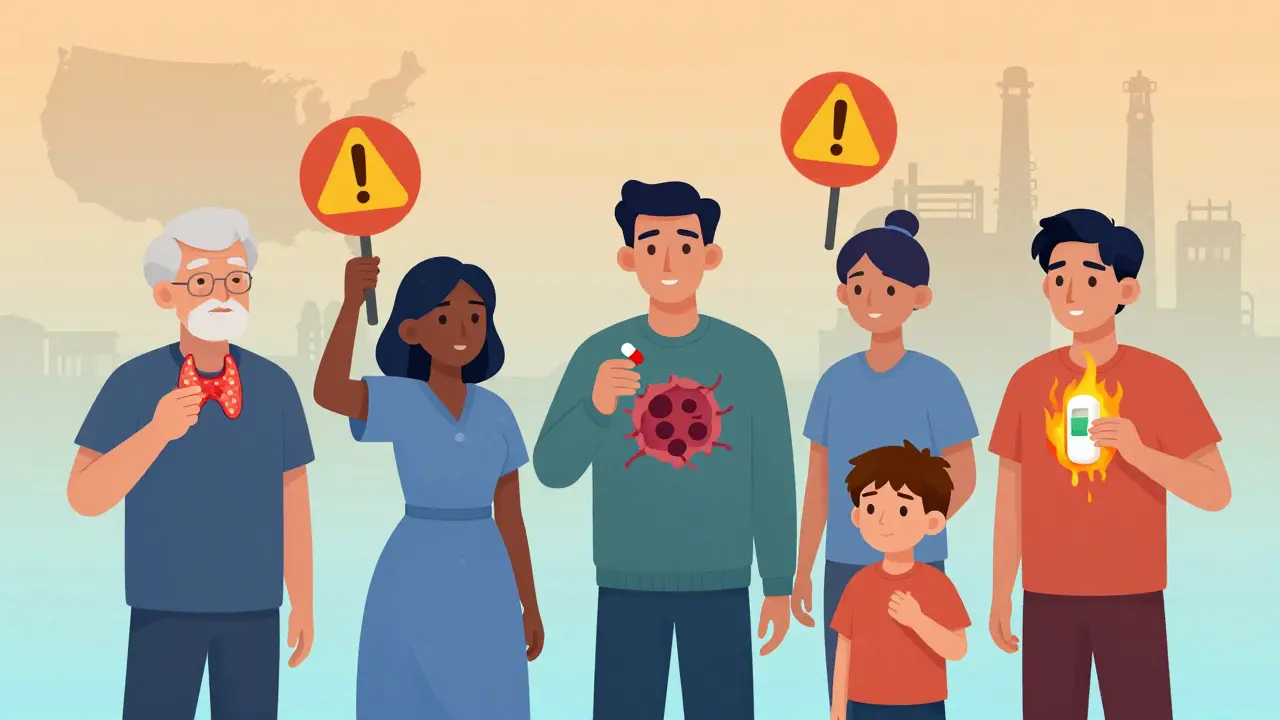
- Know your drug’s risk category. Blood pressure meds (like Valsartan), chemotherapy, and respiratory drugs have the highest contamination rates. Be extra cautious here.
What’s Changing - and What’s Not
In September 2025, the FDA announced a “Name Transparency Initiative” - promising to stop hiding drug names in inspection reports. That’s a start. But it’s been promised before. Implementation is still unclear. The Valsartan lawsuits are going to trial in late 2025. If courts find manufacturers knew about NDMA risks as early as 2012 - and hid it - that could set a legal precedent. It might finally make companies think twice before cutting corners. But here’s the truth: unless the FDA gets more funding, inspects more factories, and imposes real penalties - this will keep happening. The market is built on speed and cost, not safety. And until that changes, patients will keep paying the price.Final Thoughts
Generics are essential. They make healthcare affordable. But affordability shouldn’t mean accepting poison. The system isn’t broken - it’s being exploited. And the people getting hurt aren’t faceless statistics. They’re your neighbor, your parent, your friend. You don’t need to panic. But you do need to be informed. Ask questions. Check recalls. Don’t assume “generic” means safe. It means cheaper. And sometimes, that comes at a cost you can’t afford.Are all generic drugs unsafe?
No. Most generic drugs are safe and effective. But contamination issues are concentrated in certain manufacturers - mostly overseas - and certain drug types like blood pressure meds, chemotherapy, and opioids. The risk isn’t equal across all generics. Brands still have fewer recalls, but many generics meet all safety standards. The key is knowing which ones to trust.
How can I tell if my generic drug was recalled?
Check the FDA’s drug recall page (fda.gov/drugs/drug-safety-and-availability/drug-recalls) and enter your drug’s name. You can also ask your pharmacist to check the batch number. Many pharmacies now track recalls automatically. If your drug was recalled, they’ll notify you or switch you to a safe version.
Should I avoid Indian or Chinese-made generics?
Not necessarily - but be cautious. India and China produce the majority of U.S. generics, and most of the major contamination cases trace back to facilities there. That doesn’t mean every drug from those countries is unsafe. But for high-risk medications - like cancer drugs, thyroid meds, or opioids - consider choosing U.S.-manufactured or brand-name versions if you can afford it. Ask your pharmacist about the manufacturer’s history.
Why aren’t more generics made in the U.S.?
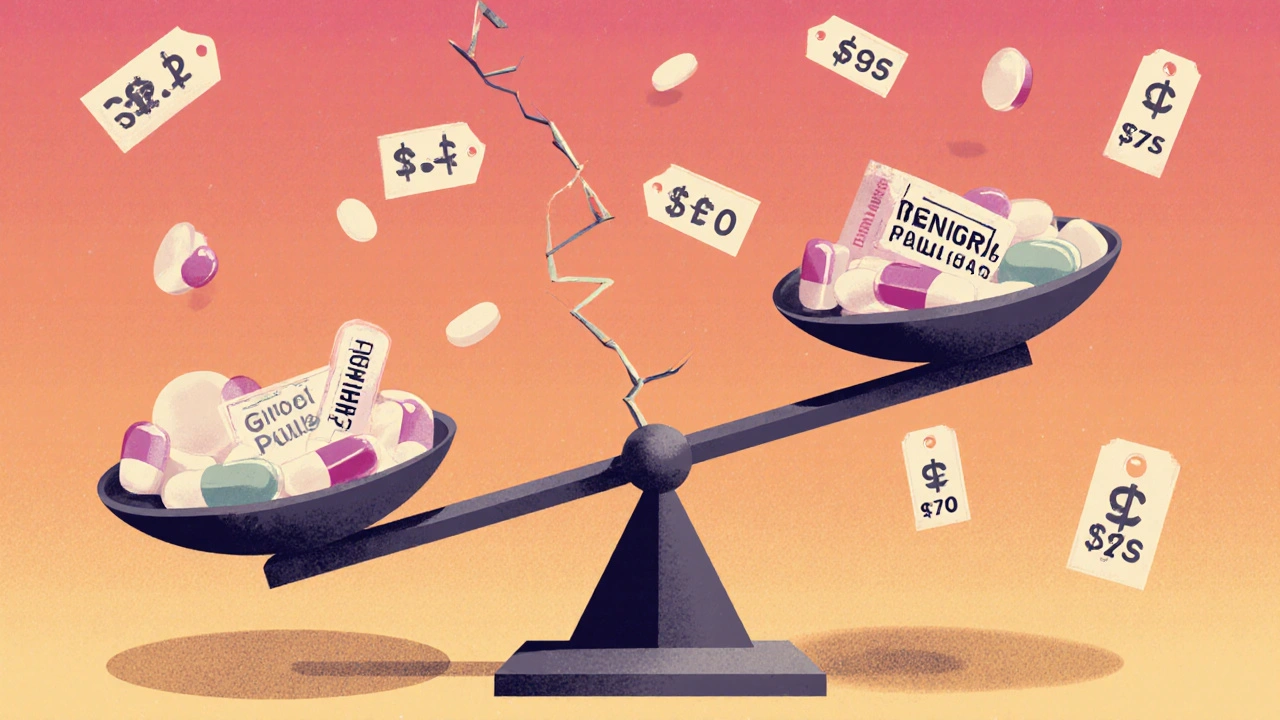
It’s cheaper to make them overseas. Labor, regulatory, and environmental costs are lower. The U.S. stopped producing most active ingredients decades ago because it couldn’t compete on price. Now, 83% of top generic drugs rely on foreign-sourced ingredients. Bringing production back would require billions in investment and higher drug prices - something insurers and consumers resist.
What should I do if I think my generic drug made me sick?
Stop taking it immediately and contact your doctor. Report the reaction to the FDA’s MedWatch program. If you’ve been diagnosed with cancer, leukemia, or another serious condition after long-term use of a recalled drug, consult a lawyer. Many lawsuits are active, especially for Valsartan and benzene-contaminated products. Document everything - prescriptions, dates, symptoms, lab results.


Sarah Williams
December 21, 2025 AT 05:35The data here is terrifying but not surprising. The FDA’s inspection rate of 13% for Indian facilities is a joke. When you’re relying on end-of-line sampling for cancer drugs, you’re not regulating-you’re gambling with lives. And the fact that they redact drug names in public reports? That’s not bureaucracy. That’s complicity.
Christina Weber
December 21, 2025 AT 10:12Let’s be precise: the issue isn’t ‘generic drugs’-it’s unregulated manufacturing. The FDA’s GDUFA III framework exists, but enforcement is voluntary. Companies exploit loopholes because penalties are laughably low. A $50k fine for knowingly producing carcinogenic batches? That’s a tax write-off, not a deterrent. Proper criminal liability is needed, not more ‘initiatives.’
Cara C
December 21, 2025 AT 20:23I get how scary this is, but don’t panic and ditch all generics. Most are fine. The problem is concentrated in specific factories and drug classes. If you’re on thyroid meds or chemo, ask your pharmacist for the manufacturer. If they don’t know, push them. Knowledge is power here.
Erika Putri Aldana
December 22, 2025 AT 06:48so like... are we just supposed to trust the system? lol. they lie, they hide stuff, and we’re supposed to just ‘ask your pharmacist’ like that’s gonna fix anything. i’m just gonna pay extra for brand names and call it a day. no thanks.
Sandy Crux
December 24, 2025 AT 01:06It is, of course, entirely predictable-yet still profoundly tragic-that the American healthcare system, in its relentless pursuit of cost-efficiency, has outsourced its moral responsibility to nations with lax regulatory frameworks. The irony is not lost on me: we demand cheap drugs, then pretend we’re shocked when the drugs kill people.
Jerry Peterson
December 24, 2025 AT 17:19As someone from the U.S. who’s worked with Indian pharma suppliers-this is real. Not all factories are bad. Some are world-class. But the ones that cut corners? They’re not outliers-they’re the business model. The system rewards speed over safety. And we’re the ones paying.
Dan Adkins
December 25, 2025 AT 12:05It is imperative to acknowledge that the structural deficiencies in the global pharmaceutical supply chain are not attributable to any single nation, but rather to the commodification of human health under neoliberal economic paradigms. The United States, as the largest consumer of generic pharmaceuticals, bears significant responsibility for enabling this systemic failure through its procurement policies and regulatory abdication.
Grace Rehman
December 27, 2025 AT 08:28we keep acting like this is new news when it's been obvious for 15 years. the FDA's budget is a joke and the industry knows it. they just wait until someone dies, then they issue a recall and pretend they're sorry. meanwhile, my aunt's chemo didn't work because of a 68% dose and no one even got fired. how is this still a thing
Peggy Adams
December 28, 2025 AT 14:23yeah but like... if you’re not rich, what are you supposed to do? brand names cost 10x. i’ve had to pick between my insulin and my rent before. this isn’t about ‘being informed’-it’s about being lucky.
Jay lawch
December 28, 2025 AT 23:07Let me tell you something they don’t want you to know. The entire generic drug supply chain is controlled by a cartel of Chinese and Indian corporations with ties to shadow governments. The FDA doesn’t inspect because they’re paid to look away. The benzene in Mucinex? The NDMA in Valsartan? All planned. They want you sick. More pills. More profits. More control. The real epidemic isn’t contamination-it’s the deliberate dismantling of public health to serve private interests. Wake up.
mukesh matav
December 30, 2025 AT 07:12I understand the fear. But many Indian manufacturers follow strict standards. My cousin works in a facility in Gujarat that exports to Europe and Canada-zero recalls. The problem isn’t the country. It’s the bad actors. We need better transparency, not blanket distrust.
Jackie Be
December 30, 2025 AT 22:06my mom took a generic blood pressure pill and ended up in the hospital. they told her it was just stress. turns out the batch had 200x the cancer chemical. she’s fine now but i swear to god if i ever see a generic again i’m gonna scream. why does no one care
Theo Newbold
December 31, 2025 AT 06:11One sentence: The FDA’s entire oversight model is a 1980s relic in a 2025 global supply chain. Fix it or shut down foreign imports until it is.