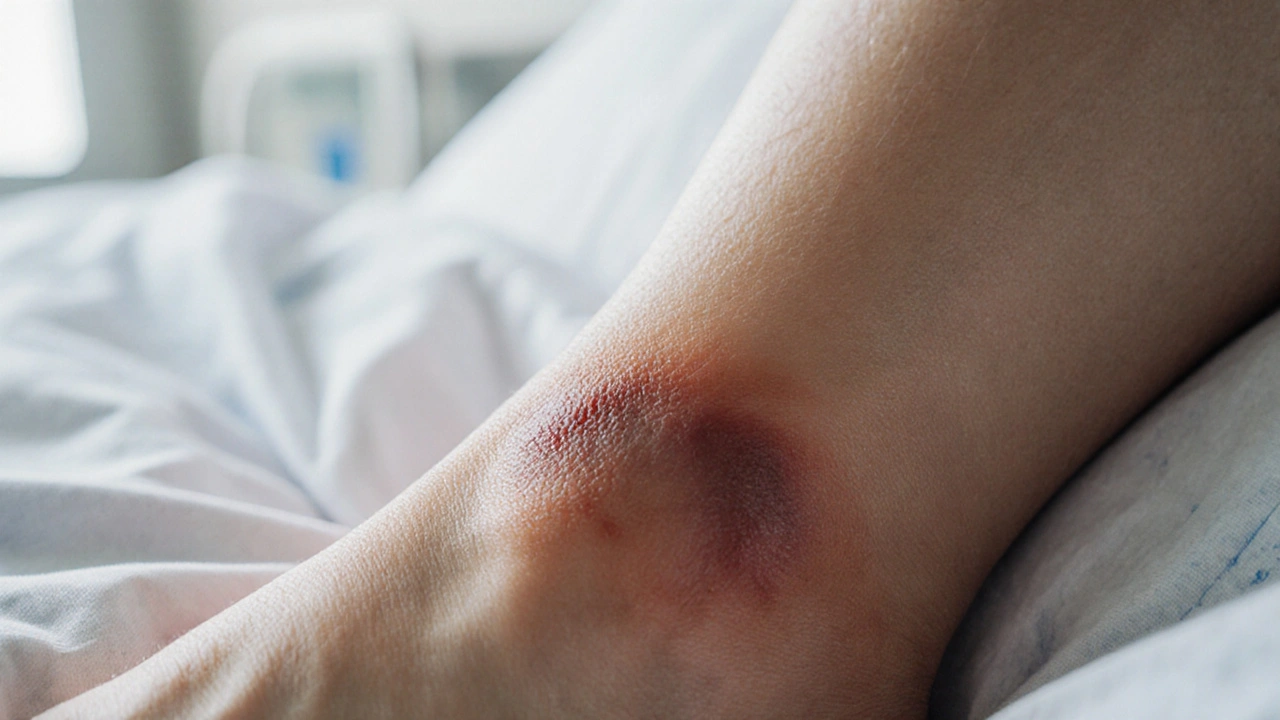
When you get hepatitis A, a viral infection that causes liver inflammation. It's not like hepatitis B or C — it doesn't stick around. Most people fully recover without lasting damage. The virus comes from contaminated food or water, and while it can hit hard with fatigue, nausea, and yellow skin, your body clears it on its own. There's no specific cure, but your liver, the organ that filters toxins and makes essential proteins is built to repair itself. Once the virus is gone, the liver regenerates its cells over weeks to months.
Recovery isn't instant. You might feel wiped out for a few weeks, even after the worst symptoms fade. That’s normal. Your body is still cleaning up. Doctors don’t prescribe antivirals for hepatitis A because they don’t help — rest, fluids, and avoiding alcohol are the real treatment. You should also skip anything that stresses the liver: painkillers like acetaminophen, supplements without proof of safety, and especially alcohol. Your liver is healing, and it doesn’t need extra work. Most adults bounce back fully in 2 to 8 weeks. Kids often have mild or no symptoms at all. Older adults and people with other liver problems are at higher risk for longer recovery or rare complications, but even then, full recovery is the rule, not the exception.
What you might not realize is that once you’ve had hepatitis A, you’re immune for life. Your body remembers the virus and won’t let it come back. That’s why vaccination works so well — it tricks your immune system into thinking it’s been exposed, without making you sick. If you’ve recovered, you don’t need the vaccine. But if you haven’t had it and live in or travel to areas with poor sanitation, getting vaccinated is one of the smartest moves you can make. You’ll also want to know that hepatitis A doesn’t cause long-term liver damage like cirrhosis or cancer. That’s a key difference from other types. The fear of permanent harm is common, but it’s not grounded in reality for this virus.
People often ask if they need follow-up blood tests after recovery. Usually, no. Unless you’re still feeling awful after two months or have signs of liver trouble like dark urine or swelling, your doctor won’t push for more testing. The body tells you when it’s done healing — energy returns, appetite comes back, the yellow fades. Track how you feel, not lab numbers. And if you’re caring for someone with hepatitis A, know that hygiene is the biggest shield — wash hands after using the bathroom, before eating, and don’t share towels or utensils. The virus spreads through poop, not blood or air.
Below, you’ll find real-world insights from people who’ve been through this, plus practical advice on managing symptoms, avoiding drug interactions, and understanding how your liver rebuilds itself. No fluff. Just what works.
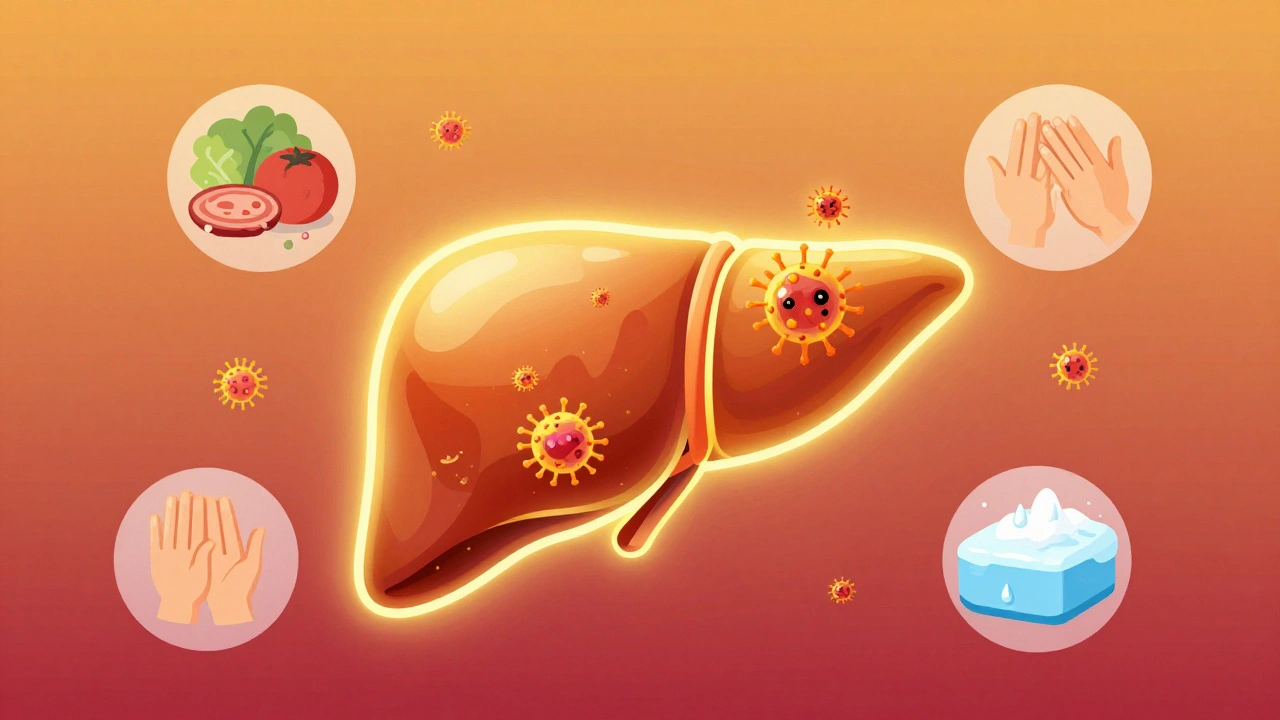
Hepatitis A is a sudden, contagious liver infection that resolves without long-term damage. Learn how it spreads, what symptoms to watch for, how long recovery takes, and why vaccination is the only reliable way to prevent it.
View More