
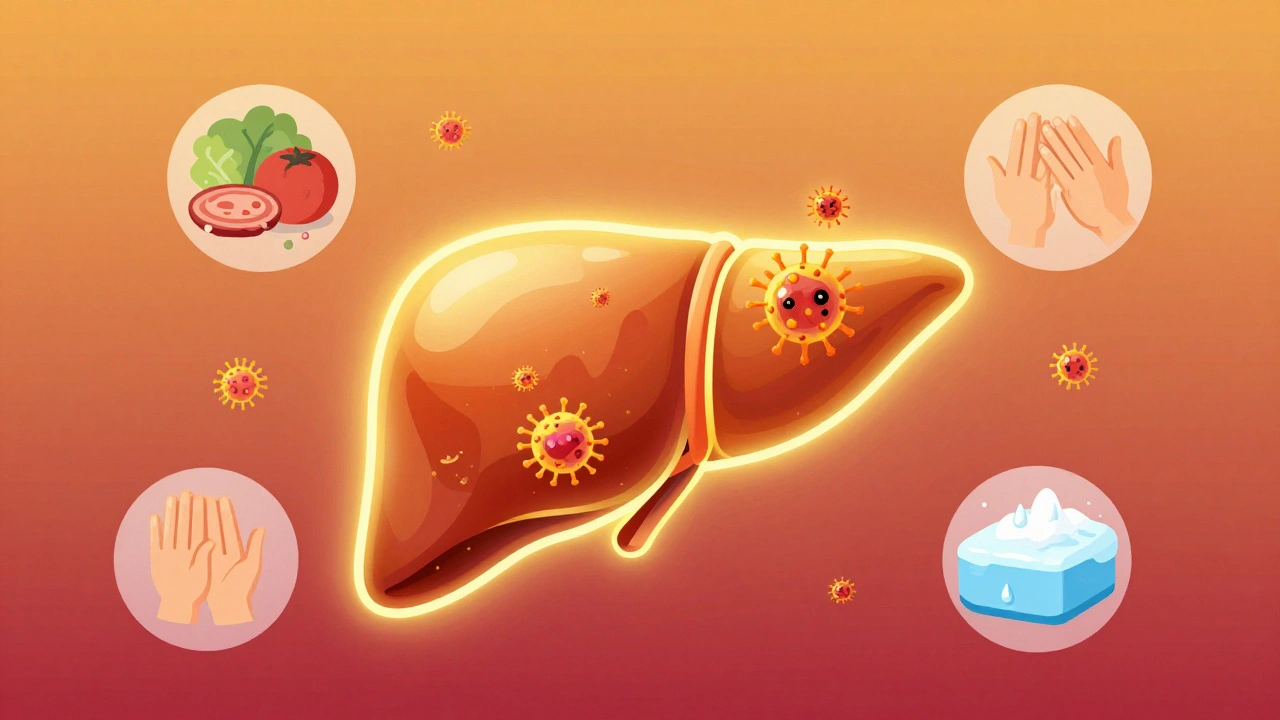
Most people think of hepatitis as a chronic, lifelong condition - something you get from sharing needles or unsafe sex. But hepatitis A is different. It’s not slow. It’s not silent. It hits hard, fast, and usually leaves no trace behind. If you’ve ever felt like you were coming down with the flu, then suddenly your skin turned yellow and your urine looked like tea, you might have had hepatitis A. And if you haven’t - you probably will, at least once in your life, unless you’re vaccinated.
What Hepatitis A Actually Does to Your Liver
Hepatitis A is caused by a tiny, tough virus called HAV. It doesn’t hang around in your body forever like hepatitis B or C. It doesn’t turn into cirrhosis or liver cancer. It shows up, causes chaos for a few weeks or months, then vanishes - completely. That’s the good news. The bad news? While it’s short-term, it can be brutal. The virus enters your body through your mouth - usually from contaminated food, water, or hands that touched feces. It doesn’t take much. A single drop of infected stool on a doorknob, a salad washed in dirty water, or even close contact with someone who’s sick can spread it. Once inside, it travels straight to your liver. There, it starts copying itself, triggering inflammation. Your liver swells. It can’t process toxins. It stops making bile properly. That’s when you start seeing the signs: yellow skin, dark pee, pale poop, fatigue so deep you can’t get out of bed. Unlike other liver infections, hepatitis A doesn’t become chronic. Your immune system kicks in and clears it. But until then, your liver is under siege. And the older you are, the worse it gets. Kids under 6? Often no symptoms at all. Adults over 50? Higher chance of hospitalization. One in four adults ends up in the ER because they’re too sick to keep fluids down.How Long Does It Take to Get Sick After Exposure?
You won’t feel anything for weeks. That’s the tricky part. The average time between swallowing the virus and feeling awful is 28 days. But it can be as short as 15 days or as long as 50. During that silent window, you’re already contagious - even if you feel fine. The most infectious time? The two weeks before you even notice jaundice. That’s when the virus is flooding your stool. You could be cooking for your family, shaking hands at work, or hugging your grandkids - and spreading it without knowing. Once jaundice shows up, you’re still contagious, but less so. Most people stop shedding the virus in their stool about a week after their skin turns yellow. This delay is why outbreaks are so hard to control. Someone eats contaminated food in New York, feels fine for a month, then gets sick in Florida. By the time they’re diagnosed, they’ve already passed it to three coworkers, their kid’s daycare teacher, and the cashier at the grocery store.What Symptoms Should You Watch For?
Symptoms come on suddenly. They don’t creep up. One day you’re fine. The next, you’re exhausted, nauseous, and confused why everything tastes metallic. Here’s what most people experience:- Extreme fatigue - 7 out of 10 people say this is the worst part. It’s not just being tired. It’s needing to nap at 3 p.m. and still feeling drained the next day.
- Jaundice - yellowing of the skin and eyes. Happens in 70-80% of adults.
- Dark urine - like cola or strong tea. A clear sign your liver isn’t filtering properly.
- Loss of appetite - even your favorite foods feel repulsive.
- Nausea and vomiting - often severe enough to cause dehydration.
- Abdominal pain - usually under the right ribs, where your liver sits.
- Clay-colored stools - pale, almost white. Means bile isn’t reaching your intestines.
- Fever - mild to moderate, usually under 102°F.
How Long Does Recovery Really Take?
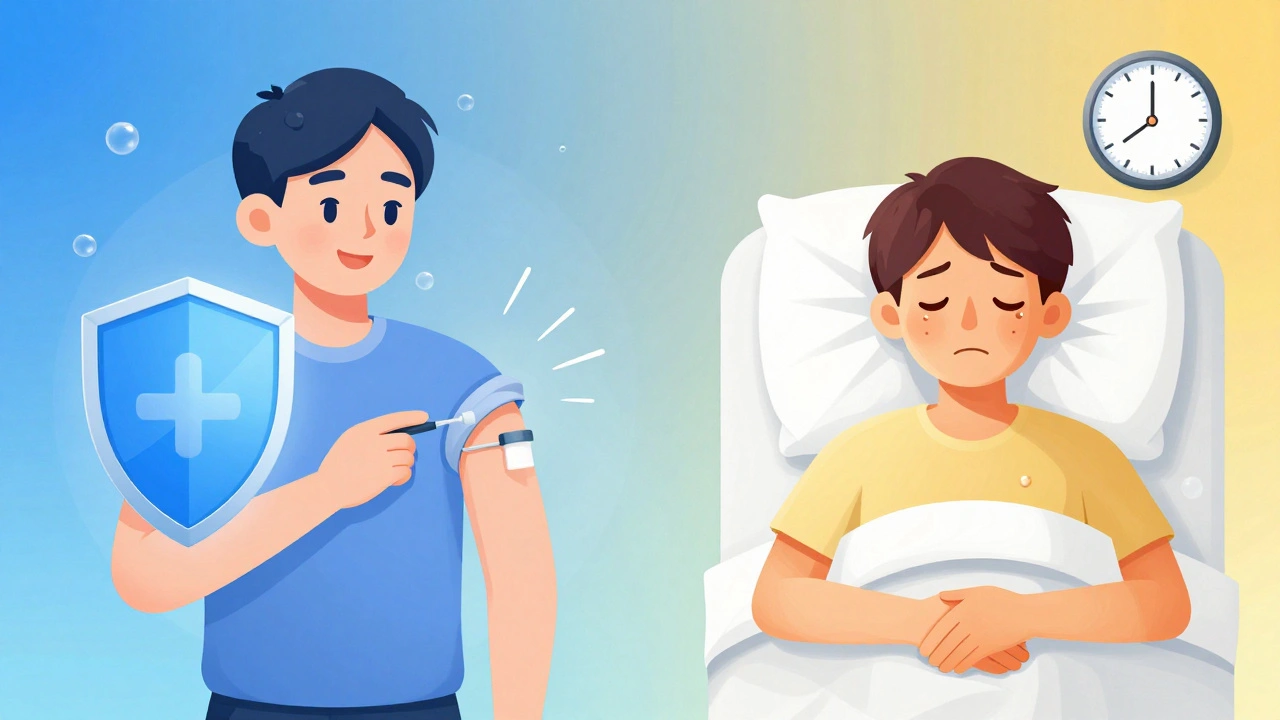
Most people think “recovery” means when the jaundice fades. But that’s just the start. The CDC says symptoms last about 8 weeks on average. For 85-90% of people, they’re back to normal within two months. Sounds good, right? Not so fast. About 1 in 10 adults - especially those over 50 - have a rollercoaster recovery. They feel better after a few weeks, then crash again. Symptoms return for another 7 to 14 days. This can happen once or twice. One Reddit user described it as “feeling like I was climbing a hill, only to be pushed back down every time I got halfway up.” Liver enzymes (AST, ALT) take longer to normalize. Most people see them drop back to normal by 12 weeks. But 5% of adults take up to six months. That’s why doctors tell you to avoid alcohol, acetaminophen, and heavy exercise until your blood work comes back clean. And yes - you can go back to work. But not until one week after jaundice appears, or when symptoms fully resolve. Many people return too soon and end up relapsing. One nurse in Wisconsin went back after two weeks, only to collapse at her desk three days later. She missed six more weeks.How to Prevent Hepatitis A - For Real
Handwashing isn’t just for flu season. It’s your #1 defense against hepatitis A. Soap and water for 20 seconds - scrubbing under nails, between fingers, around thumbs - cuts transmission by 30-50%. Alcohol-based sanitizers? Useless against HAV. Only soap works. Food safety matters too. Raw shellfish from contaminated waters, unwashed fruits and veggies, and ice made with unsafe water are common sources. In 2022, the FDA tracked 17 outbreaks linked to produce handled by infected workers. That’s why washing lettuce isn’t enough - you need to know where it came from. But the real game-changer? The vaccine. The hepatitis A vaccine is one of the most effective vaccines ever made. One shot gives you 95% protection within four weeks. Two shots - given 6 to 18 months apart - give you nearly 100% lifelong protection. It’s safe. Side effects? Mild soreness at the injection site. Less than 1% of people report a low-grade fever. The CDC recommends it for all kids at age 1. But adults? Especially if you travel, work in healthcare, use drugs, live in or visit areas with poor sanitation, or have liver disease - you need it too. Even if you’re 60. Post-exposure? If you’ve been in close contact with someone who just got diagnosed, get the vaccine or immune globulin within two weeks. It’s 85-90% effective at stopping infection.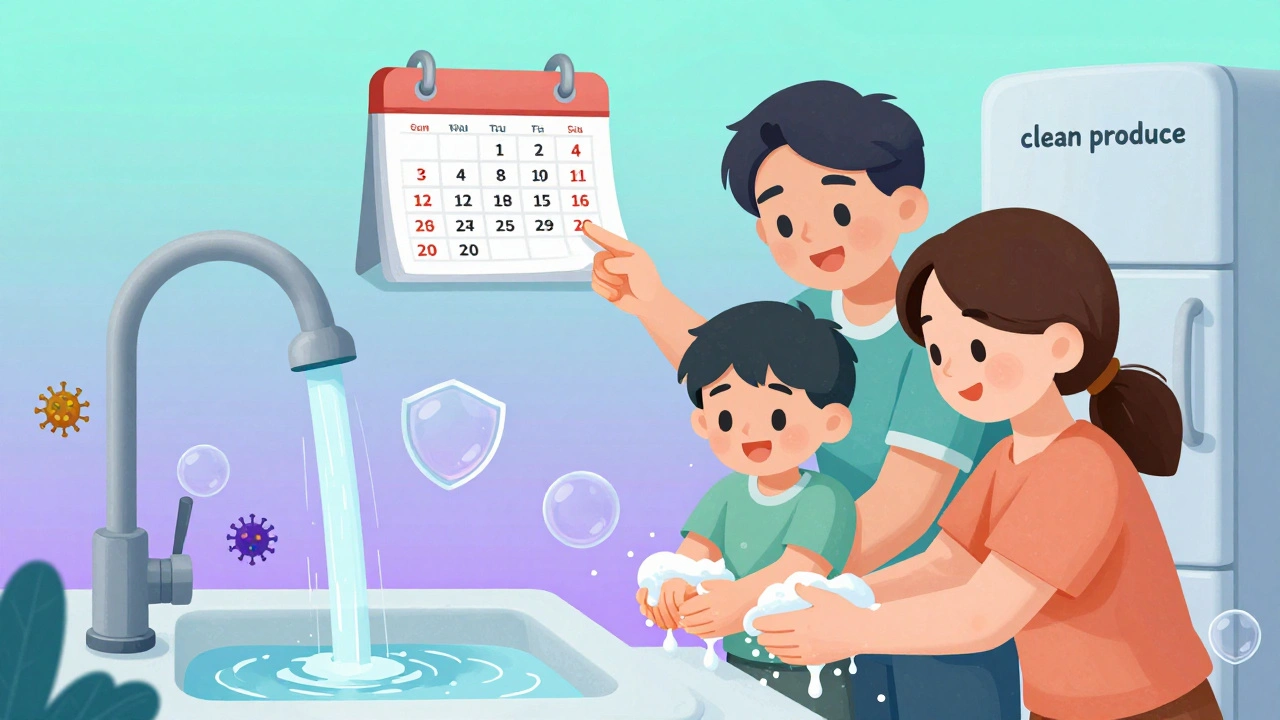
What Happens If You Don’t Get Vaccinated?
Since 1995, hepatitis A cases in the U.S. dropped 95% thanks to childhood vaccination. But in recent years, outbreaks spiked - mostly among unhoused populations and people who use drugs. Between 2016 and 2019, cases tripled. Then targeted vaccination programs brought them down 40% by 2022. The problem? Unvaccinated adults are still at risk. And they’re the ones most likely to end up in the hospital. Case-fatality rates jump from 0.1% in kids to 2.6% in adults over 50. That’s not rare. That’s real. And the cost? Not just medical bills. The average adult loses 15 workdays. The U.S. economy loses $300 million a year. You might think, “I’m healthy. I won’t get it.” But you don’t need to be sick to spread it. And you don’t need to be old to die from it.What You Should Do Right Now
If you’ve never been vaccinated:- Call your doctor or local health clinic. Ask for the hepatitis A vaccine.
- Don’t wait until you’re traveling. Get it now.
- If you’re over 50, have liver disease, or live with someone who does - get both doses.
- Teach your kids to wash their hands after using the bathroom and before eating. Make it a habit.
- If you’re caring for someone with hepatitis A, clean surfaces with bleach (5-10 tablespoons per gallon of water). It kills the virus in two minutes.
- Call your doctor immediately. Don’t wait for symptoms.
- Get tested. Blood tests can confirm infection even before symptoms show.
- Stay home. Avoid cooking for others. Don’t share towels, utensils, or toothbrushes.
- Rest. Don’t push yourself. Fatigue is your body’s signal to slow down.
- Drink water. Avoid alcohol completely until your liver enzymes are normal.
- Eat small, low-fat meals. Your liver needs energy to heal, not extra stress.
- Don’t take acetaminophen (Tylenol) above 2,000 mg per day. Even over-the-counter painkillers can hurt your liver when it’s damaged.
- Follow up with your doctor. Don’t assume you’re fine just because the yellow is gone.
FAQ
Can you get hepatitis A more than once?
No. Once you recover from hepatitis A, your body builds lifelong immunity. You won’t get it again, even if you’re exposed to the virus. This is why the vaccine works so well - it tricks your immune system into thinking you’ve had the real thing, without making you sick.
Is hepatitis A the same as hepatitis B or C?
No. Hepatitis A is short-term and never becomes chronic. Hepatitis B and C can live in your body for years, leading to cirrhosis, liver cancer, or the need for a transplant. Hepatitis A spreads through food and water; B and C spread through blood and bodily fluids. The vaccines for B and C are different - and there’s no vaccine for C yet.
Can you spread hepatitis A if you don’t have symptoms?
Yes. People can spread the virus up to two weeks before symptoms start - and many never develop symptoms at all, especially children. That’s why outbreaks are so hard to stop. You can be contagious without knowing it.
How long should I avoid alcohol after having hepatitis A?
Until your liver enzymes return to normal - usually 3 to 6 months. Even if you feel fine, your liver is still healing. Drinking too soon can cause serious damage or delay recovery. Your doctor will check your blood work to confirm it’s safe.
Is the hepatitis A vaccine safe for pregnant women?
Yes. The hepatitis A vaccine is an inactivated (killed) virus vaccine, which is considered safe during pregnancy. If you’re traveling to a high-risk area or work in healthcare, your doctor may recommend it. The risk of infection during pregnancy is far greater than the risk of the vaccine.
Do I need a booster shot after the second dose?
No. The two-dose series provides lifelong protection for most people. You don’t need boosters. Studies show immunity lasts at least 25 years, and likely longer. If you completed the series, you’re protected.
Can I get hepatitis A from a toilet seat?
It’s possible, but unlikely. The virus survives on surfaces for up to 30 days, but you’d need to touch a contaminated surface and then touch your mouth without washing your hands. Good hand hygiene makes this risk very low. Cleaning with bleach eliminates it entirely.
Why do some people take months to recover while others feel fine in weeks?
Age and overall health matter. Older adults, especially those with existing liver conditions, take longer to recover. Children often bounce back quickly. Fatigue can linger even after liver enzymes normalize - this is normal. Your body needs time to rebuild energy stores. Rest is part of the treatment.



Andrew Frazier
December 7, 2025 AT 01:48Mayur Panchamia
December 8, 2025 AT 06:46Karen Mitchell
December 9, 2025 AT 08:26Geraldine Trainer-Cooper
December 9, 2025 AT 10:14Nava Jothy
December 10, 2025 AT 14:35olive ashley
December 10, 2025 AT 19:28Ibrahim Yakubu
December 12, 2025 AT 13:12Dan Cole
December 13, 2025 AT 13:46Max Manoles
December 14, 2025 AT 12:29Clare Fox
December 16, 2025 AT 05:08Akash Takyar
December 17, 2025 AT 12:29Arjun Deva
December 17, 2025 AT 19:26Inna Borovik
December 19, 2025 AT 17:36