When you take a pill for pain that contains two or more active ingredients—like acetaminophen and codeine, or ibuprofen and caffeine—you’re using a fixed-dose analgesic, a single tablet or capsule that combines two or more pain-relieving drugs in predetermined amounts. Also known as combination analgesics, these are designed to give stronger relief than either drug alone, with less need to take multiple pills. They’re common for headaches, back pain, dental pain, and even post-surgery recovery. But they’re not just convenience products—they’re a calculated trade-off between effectiveness and risk.
What makes them different from taking separate pills? The dose of each drug is locked in. You can’t adjust one without the other. That’s great if the ratio works for your pain, but dangerous if you’re sensitive to one component—like acetaminophen, which can hurt your liver if you take too much, or an opioid like oxycodone, which can lead to dependence. These combinations are often used when a single drug isn’t enough, but doctors want to avoid prescribing separate controlled substances. You’ll find them in brands like Percocet (oxycodone + acetaminophen), Vicodin (hydrocodone + acetaminophen), and even over-the-counter options like Excedrin (acetaminophen + aspirin + caffeine).
But here’s the catch: many people don’t realize they’re taking an opioid when they grab a prescription for "pain pills." The opioid is hidden inside the combo, and the acetaminophen or ibuprofen makes it feel like a regular painkiller. That’s why some patients end up with liver damage or addiction without ever knowing they were on a controlled substance. And because the doses are fixed, you can’t easily reduce one part if side effects show up—you might have to switch to a whole new medication.
These drugs are also a big reason why insurance companies push for prior authorization. They know these combinations are easy to overuse, and cheaper alternatives exist. If you’re on a fixed-dose analgesic and your insurance denies coverage, it’s not just bureaucracy—it’s a signal that safer, more targeted options are available. Some people do better with standalone NSAIDs, others with non-opioid nerve pain meds. The goal isn’t just to stop pain—it’s to do it without creating new problems.
Below, you’ll find real stories and data from people who’ve used these medications, seen the side effects, fought insurance denials, or switched to safer options. Whether you’re wondering why your doctor prescribed this combo, or why your pharmacy won’t refill it, the articles here give you the facts—not the marketing.
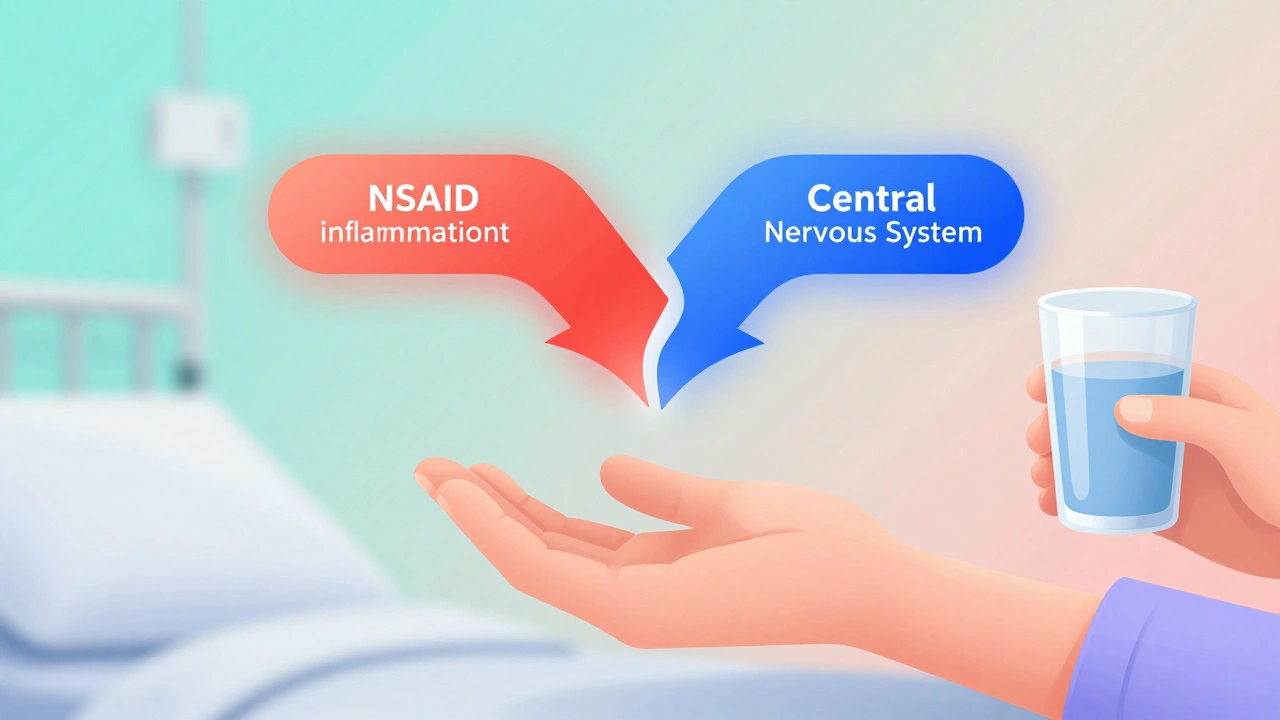
Generic fixed-dose pain combinations like tramadol/acetaminophen and ibuprofen/acetaminophen offer stronger, faster relief than single drugs. Learn which combos are available, how they work, and who should avoid them.
View More