
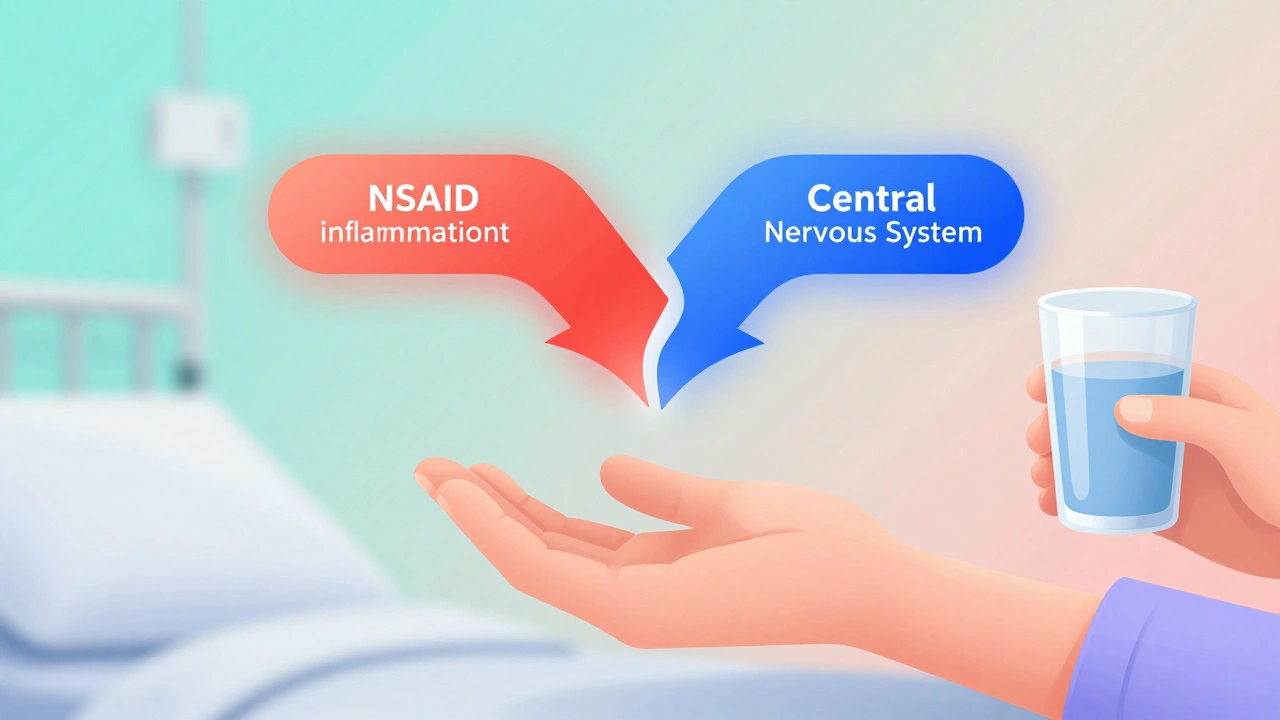
When you’re dealing with sudden, sharp pain-after surgery, a bad back injury, or a toothache-you don’t want to wait for one pill to work, then take another. You want relief, fast and reliable. That’s where generic fixed-dose combinations come in. These aren’t fancy new drugs. They’re proven, affordable, and widely available. And they’re changing how people manage acute pain every day.
Fixed-dose combinations (FDCs) pack two or more pain-relieving ingredients into a single tablet or capsule. The idea is simple: instead of taking two separate pills, you take one that hits pain from multiple angles. One drug might block inflammation at the site of injury, while another tweaks how your brain and spinal cord process pain signals. Together, they work better than either alone-and often with fewer side effects than high doses of a single drug.
What’s Actually Available?
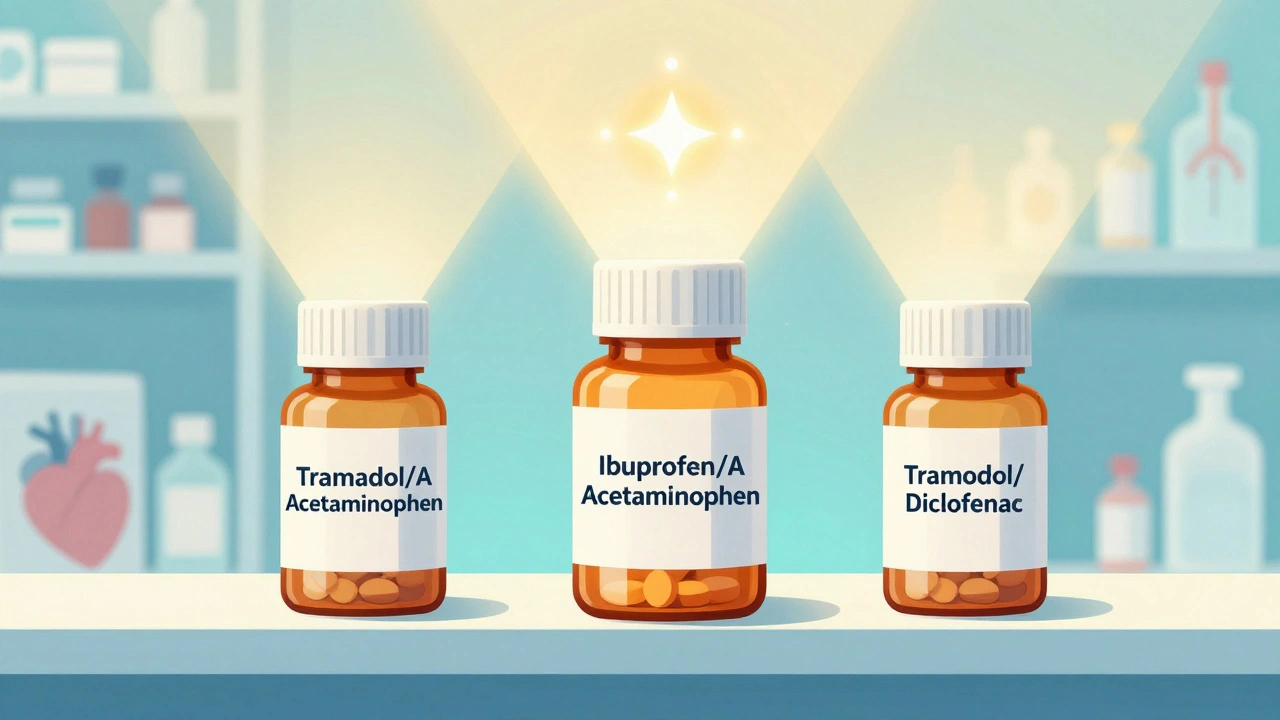
You won’t find these on every pharmacy shelf, but they’re stocked in hospitals, clinics, and many retail pharmacies worldwide. The most common generic FDCs for pain include:
- Tramadol and acetaminophen (e.g., Ultracet generics): One pill contains 37.5 mg tramadol and 325 mg acetaminophen. Used for moderate to severe pain, especially after dental work or minor surgery.
- Ibuprofen and acetaminophen: Available over-the-counter in some countries and as prescription generics elsewhere. Typical doses are 200 mg ibuprofen with 500 mg acetaminophen. Popular for headaches, menstrual pain, and post-dental pain.
- Tramadol and diclofenac: A 50 mg/50 mg combo approved in Brazil, India, and parts of Europe. Often prescribed for musculoskeletal pain, like sprains or post-op recovery.
- Drotaverine and acetaminophen: Used primarily for abdominal cramps and colic. Found in Latin America and parts of Asia. Works quickly-pain relief often starts within 30 minutes.
- Dexketoprofen and tramadol: A potent combo used in Europe for severe acute pain, like after hip or knee surgery. Dexketoprofen is a fast-acting NSAID, and tramadol adds central pain control.
These aren’t just random mixes. Each ratio has been tested in clinical trials. For example, the tramadol/diclofenac combo reaches peak blood levels within 2.5 to 3.5 hours, and studies show it reduces the need for additional pain meds by nearly half compared to either drug alone.
Why Do These Work Better Than Single Drugs?
It’s not magic-it’s biology. Pain isn’t one pathway. It’s a network. NSAIDs like ibuprofen or diclofenac work on the outside: they calm inflammation where the injury is. Acetaminophen and tramadol work from the inside: they change how your nervous system interprets pain signals.
When you combine them, you’re not just adding effects-you’re multiplying them. This is called synergy. A 2023 Cochrane review found that patients taking ibuprofen and acetaminophen together after wisdom tooth removal needed rescue pain meds 40% less often than those taking either drug alone. And they reported fewer side effects, like stomach upset, because lower doses of each drug were used.
Tramadol/acetaminophen works similarly. Tramadol activates opioid receptors in the brain but also boosts serotonin and norepinephrine, which naturally dampen pain. Acetaminophen adds another layer. Together, they’re more effective than 100 mg of tramadol by itself. That’s a big deal because higher tramadol doses increase the risk of dizziness, nausea, and dependency.
Who Should Use Them-and Who Should Avoid Them?
These combos shine in short-term, acute pain. Think: dental extractions, sprains, post-surgical recovery, or flare-ups of back pain. They’re not meant for chronic pain lasting months or years.
Here’s who benefits most:
- Patients who struggle to remember multiple pills
- Those who need faster, stronger relief than one drug can provide
- People with mild to moderate pain where high-dose opioids aren’t necessary
But they’re not for everyone. Avoid these combinations if you:
- Have liver disease or drink alcohol regularly (acetaminophen can damage the liver)
- Have kidney problems or a history of stomach ulcers (NSAIDs like ibuprofen or diclofenac can worsen these)
- Take antidepressants like SSRIs or MAOIs (tramadol can cause dangerous serotonin buildup)
- Are pregnant or breastfeeding (especially tramadol-containing products)
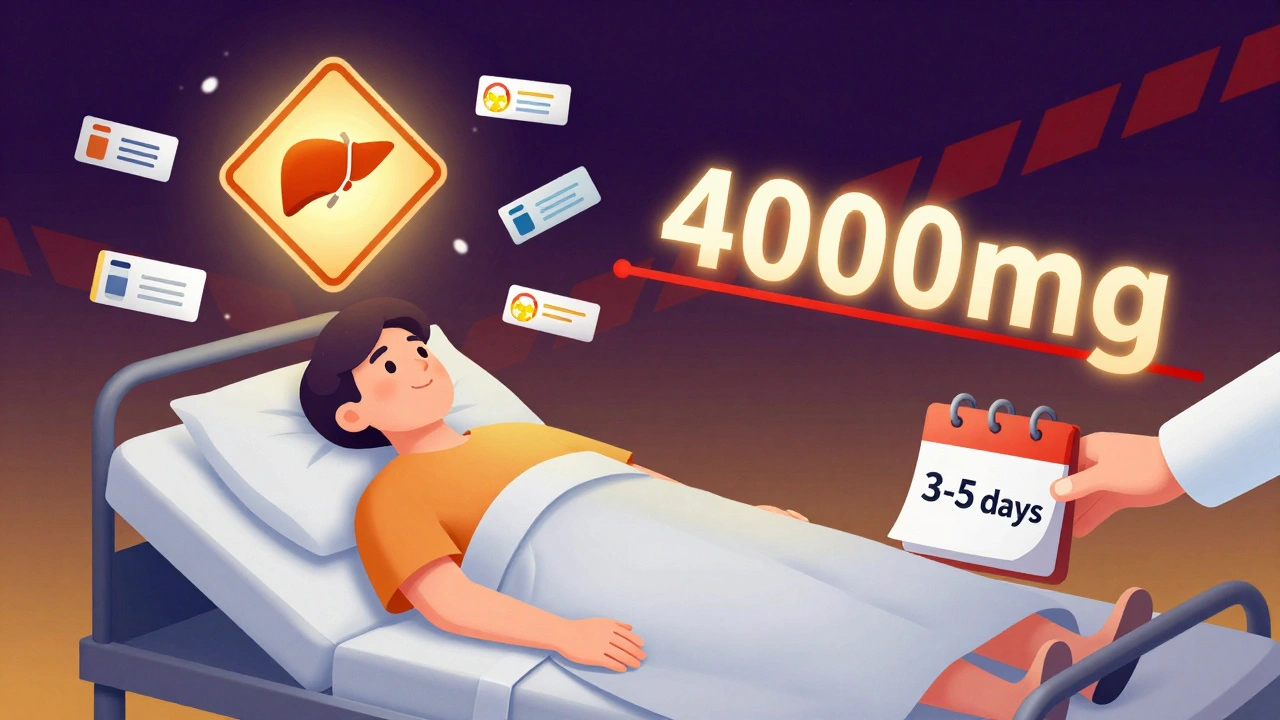
Even if you’re healthy, you need to watch your total acetaminophen intake. Many cold medicines, sleep aids, and migraine pills also contain it. The safe daily limit is 3,000-4,000 mg, but it’s easy to accidentally overdose. In 2022, the Institute for Safe Medication Practices reported that 22% of acetaminophen overdose cases came from people taking multiple combination products without realizing it.
Real-World Experience: What Do Patients Say?
On Drugs.com, the generic version of Ultracet (tramadol/acetaminophen) has a 6.2 out of 10 rating. Why? Because it works-but it comes with trade-offs.
Patients who used it for dental pain often say things like: “Got me through the night when nothing else did.” But the same people also report: “Felt like I was drunk for hours,” or “Couldn’t stop throwing up.”
In Brazil, where tramadol/diclofenac is widely used, 82% of patients reported good pain control. But 15% stopped taking it because of stomach pain or nausea. Reddit users in r/ChronicPain shared that 68% found tramadol/acetaminophen effective for sudden flare-ups, but nearly half said the dizziness made it hard to drive or work.
The bottom line: these combos are powerful. But they’re not gentle. They require respect.
Prescribing and Practical Tips
Doctors don’t just hand these out. They look at your history: liver function, kidney health, other meds, alcohol use, mental health. Many start with one or two doses to see how you react.
Here’s what to ask your provider:
- “Is this combo right for my type of pain?”
- “What’s the maximum daily dose for each ingredient?”
- “Could this interact with my other medications?”
- “How long should I take this?”
Most FDCs are meant for 3-5 days max. Don’t stretch them out. If pain lasts longer, see your doctor. You might need a different approach.
Also, never split or crush these pills. The doses are carefully balanced. Crushing a tramadol/diclofenac tablet could release too much of one drug at once, increasing risk.
What’s New and What’s Coming
In September 2023, Brazil approved new generic versions of tramadol/diclofenac after bioequivalence studies confirmed they work just like the brand. The FDA is now pushing for abuse-deterrent versions of opioid/NSAID combos to reduce misuse.
The World Health Organization added tramadol/acetaminophen to its List of Essential Medicines for Acute Pain in July 2023. That means it’s now considered a must-have for basic health systems worldwide.
Future combos are focusing on “NSAID-sparing” designs-using less ibuprofen or diclofenac but keeping pain relief strong. This could mean fewer stomach issues and less kidney strain.
Global sales of these combinations hit $14.7 billion in 2022. Generic manufacturers like Teva, Mylan, and Sun Pharma now make over 37 versions of tramadol/acetaminophen alone in the U.S. market.
Final Take: Smart Use, Not Just More Pills
Generic fixed-dose combinations aren’t the answer to every pain problem. But for acute, short-term pain, they’re one of the most effective tools we have. They reduce pill burden, improve adherence, and often deliver better relief with fewer side effects than higher doses of single drugs.
They’re not a shortcut. They’re a smarter strategy. Use them correctly-follow your doctor’s instructions, watch your total acetaminophen intake, and never take them longer than needed. Done right, they can get you back on your feet faster, with less risk than you might expect.
Are generic pain combinations as effective as brand-name ones?
Yes. Generic fixed-dose combinations must meet strict bioequivalence standards set by the FDA, EMA, and other regulators. They contain the same active ingredients in the same strengths and ratios as brand-name versions. The only differences are in inactive ingredients like fillers or coatings, which don’t affect how well the drug works. Studies show generic tramadol/acetaminophen works just as well as Ultracet for post-surgical pain.
Can I take a generic pain combo with other painkillers?
Be very careful. Never combine a fixed-dose pain combo with another product containing the same active ingredients. For example, if you’re taking tramadol/acetaminophen, don’t also take Tylenol, Excedrin, or cold medicines with acetaminophen. That can lead to accidental overdose. Always check the labels of all medications you’re taking. If you’re unsure, ask your pharmacist.
Do these combinations cause addiction?
Only if they contain opioids like tramadol. Tramadol is a weak opioid, and while the risk of addiction is lower than with stronger opioids like oxycodone, it still exists. The CDC found that 17% of tramadol-containing FDC prescriptions in 2022 showed signs of misuse-like taking more than prescribed or using them for non-medical reasons. Always take these exactly as directed, and never for longer than recommended. If you feel you’re relying on them too much, talk to your doctor.
Why aren’t these combinations more common in the U.S.?
They’re growing, but slower than in Europe. U.S. doctors have traditionally favored single-drug prescriptions, and there’s been caution around opioid-containing combos due to the opioid crisis. Also, some insurers don’t cover them as readily. But adoption is rising: 78% of U.S. academic hospitals now include at least one FDC in their standard pain protocols. As more generic versions become available and cost drops, expect to see them more often.
Is it safe to use these during pregnancy or while breastfeeding?
Generally, no. Tramadol crosses the placenta and can affect the baby. Acetaminophen is considered safer in pregnancy, but combining it with tramadol increases risk. NSAIDs like ibuprofen and diclofenac should be avoided in the third trimester. If you’re pregnant or breastfeeding and need pain relief, talk to your doctor about alternatives like physical therapy, heat, or single-agent acetaminophen at the lowest effective dose.
How long does it take for these combos to start working?
Most start working within 30 to 60 minutes. Drotaverine/acetaminophen can work as fast as 20-30 minutes for cramps. Tramadol/acetaminophen usually peaks in the blood around 2 hours after taking it. Ibuprofen/acetaminophen combos tend to act faster than tramadol-based ones because ibuprofen doesn’t need to be metabolized first. Don’t expect instant relief, but you should feel improvement within an hour.



Ignacio Pacheco
December 3, 2025 AT 07:57So let me get this straight - we’re glorifying combo pills like they’re some breakthrough when all we’re doing is slapping two drugs together and calling it science? The real innovation is how little we’ve improved pain management in 30 years.
bobby chandra
December 5, 2025 AT 01:42Y’all are sleeping on these combos. I had a wisdom tooth extraction last year - took one of those ibuprofen/acetaminophen tabs and went from ‘I’m gonna scream’ to ‘I can finally breathe’ in 20 minutes. No opioids, no nausea, just pure, clean relief. Why are we still clinging to single-agent painkillers like it’s 1998?
Archie singh
December 5, 2025 AT 04:45Acetaminophen is a slow poison masked as a cure. Tramadol is a gateway opioid. These combinations are corporate marketing masquerading as medical progress. The FDA is complicit. The WHO is a puppet. Wake up.
Jim Schultz
December 6, 2025 AT 08:53Let’s be real - if you’re taking more than 3,000 mg of acetaminophen per day, you’re already one Tylenol away from liver failure. And yet, here we are, celebrating combos that make it *easier* to overdose. Brilliant. Just brilliant. The system is designed to kill you quietly.
Katherine Gianelli
December 7, 2025 AT 19:07I’ve been a nurse for 18 years, and I’ve seen patients who couldn’t afford three separate prescriptions - so they skipped doses, or took too much of one, or just suffered. These combos? They’re not magic. But they’re dignity. They’re respect. They’re the difference between someone healing and someone giving up. Please don’t reduce this to a debate about chemistry - it’s about humanity.
Vincent Soldja
December 7, 2025 AT 21:37Interesting. But why not just use higher doses of single agents? Simpler pharmacokinetics. Fewer interactions. Less regulatory complexity. Why complicate it?
Makenzie Keely
December 8, 2025 AT 07:38My dad took tramadol/acetaminophen after his knee surgery - said it worked like a charm… until he couldn’t stop nodding off at the dinner table. Then he realized he’d been taking it for 10 days straight. He didn’t know the max was 5 days. Nobody told him. These combos need WAY better labeling. Like, neon signs and alarms.
shalini vaishnav
December 8, 2025 AT 18:07Why are Americans so obsessed with combining drugs? In India, we know pain - we’ve been using drotaverine/acetaminophen for decades. It’s cheap, fast, and doesn’t turn you into a zombie. Your ‘innovations’ are just rebranded third-world solutions. But hey - at least you patent them.
Joykrishna Banerjee
December 10, 2025 AT 04:18Tramadol is a Schedule IV opioid - and you’re casually tossing it into combos like it’s aspirin? The CDC data you cited? That’s the tip of the iceberg. The real numbers are buried in pharmacy audits. The pharmaceutical lobby bought the FDA’s silence. Wake up. This is not medicine - it’s profit-driven pharmacological manipulation.
Kidar Saleh
December 11, 2025 AT 02:40In the UK, we’re seeing a quiet revolution. GP practices are prescribing ibuprofen/acetaminophen as first-line for acute pain. No opioids. No referrals. Just a single tablet and a pat on the back. It’s working. Patients are getting back to work faster. Less addiction. Less strain on the NHS. Maybe the future isn’t in fancy new drugs - but in smarter, simpler ones.
vinoth kumar
December 12, 2025 AT 18:55Here in India, we call these ‘dual-action’ tablets. Everyone uses them. My uncle took tramadol/diclofenac after his back surgery - said he could walk the next day. No morphine. No hospital stay. Just one pill. Why can’t the West catch up?
Chloe Madison
December 13, 2025 AT 01:01As someone who’s been on chronic pain meds since 19, I can tell you - this is the first time I’ve seen a post that didn’t sound like a pharmaceutical ad. Thank you. I’ve tried every combo on this list. The tramadol/acetaminophen? Worked. But the dizziness? Brutal. The key isn’t just taking them - it’s knowing when to stop. And nobody tells you that.
Francine Phillips
December 13, 2025 AT 21:32My pharmacist gave me the combo after my appendectomy. Didn’t even ask if I was on anything else. Just handed it over. Scary.
Gene Linetsky
December 14, 2025 AT 01:28They’re testing these combos on people who can’t afford to sue. That’s why they’re everywhere. If you think this is about pain relief, you’re missing the real game - liability avoidance. One pill = one lawsuit. Two pills = two lawsuits. One combo pill = one lawsuit. Math. It’s all math.