

The Changing Landscape of Prescription Drug Coverage
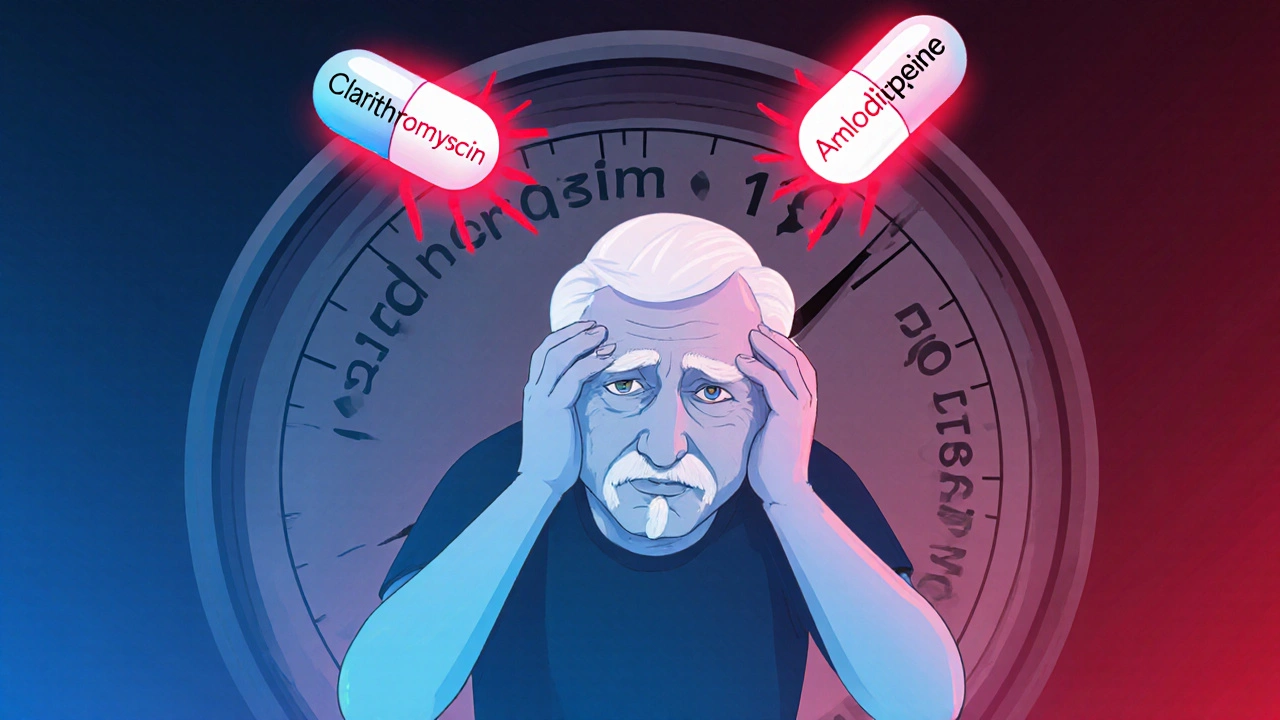
If you open your mail every month expecting a scary letter about your prescription expenses, take a breath. By March 2026, the rules governing Medicare Part D have shifted dramatically compared to just a few years ago. Many of us grew up hearing warnings about falling into the "donut hole," that dreaded coverage gap where insurance stopped paying and you had to pay full price for medications. While that term still pops up in conversations, the financial structure has been fundamentally redesigned.
Under the Inflation Reduction Actsigned into law in 2022, the traditional coverage gap was effectively neutralized starting in 2025. Now, there is a hard annual cap on what you spend out of pocket for covered drugs. However, navigating these costs still requires attention. Even with caps, reaching that maximum can feel impossible if you rely on expensive brand-name medications. Understanding exactly how the new system works is the first step to protecting your wallet.
Understanding Your Coverage Phases in 2026
The Medicare benefit design simplifies things into three clear stages instead of four. Gone are the days where you suddenly hit a wall of uncovered costs after a certain limit. Instead, you move through phases that dictate how much of the bill you cover versus what your plan pays.
| Phase | Your Responsibility | Plan/Manufacturer Responsibility |
|---|---|---|
| Deductible | Pay 100% up to plan limit (max $590) | $0 |
| Initial Coverage | Copays or coinsurance per fill | Remaining cost share |
| Catastrophic | $0 after hitting cap ($2,000) | 100% of costs after cap |
The biggest shift is the catastrophic phase. Once your total Out-of-Pocket Spendingincludes deductibles, copayments, and coinsurance paid reaches $2,000, you no longer owe anything for covered drugs. Before 2025, that threshold was effectively higher, and the middle phase (the old donut hole) required you to pay 25% of costs indefinitely until you crossed a very high bar. Now, the journey to protection is shorter and clearer.
Strategies to Stay Below the Annual Cap
Knowing you have a safety net is good, but nobody wants to spend $2,000 a year on prescriptions if they can avoid it. The goal should be to manage your medication costs so you reach that limit less frequently or not at all. Start by checking your plan's formulary. Every plan organizes drugs into tiers. Tier 1 usually contains generic drugs with low copays, while Tier 3 and above often contain brand names that rack up your out-of-pocket spending quickly.
Working with your doctor is essential here. Ask if a therapeutic equivalent exists. For example, switching from a branded cholesterol medication like Lipitor to a generic atorvastatin can drop your monthly cost from hundreds of dollars to around $10. Sometimes, doctors prescribe newer biologic drugs without realizing older versions achieve similar results for your condition at a fraction of the price.
- Switch to generics whenever clinically safe.
- Request 90-day supplies instead of 30-day refills; this reduces the number of transactions and sometimes triggers lower copay rates.
- Use mail-order pharmacies included in your plan to access lower pricing tiers.
Another angle is utilizing Patient Assistance Programssponsorships offered by pharmaceutical manufacturers. These programs aren't part of Medicare but can sit alongside your coverage. If you are struggling with a high-cost brand name drug, the manufacturer might offer coupons or direct aid that lowers the co-pay you hand over at the pharmacy counter. Some plans require you to use these coupons specifically because they help slow down the accumulation of your true out-of-pocket spending towards the cap.

Financial Assistance for Low-Income Beneficiaries
If your income is limited, the standard Part D benefits might still feel heavy even with the new cap. Fortunately, federal support exists to bridge that gap entirely. The program commonly called "Extra Help" or the Low-Income Subsidy helps millions of Americans. In 2026, qualifying for this subsidy means your deductible is waived, your copays are minimal, and you never enter a coverage gap scenario because the subsidy covers the difference.
You don't always have to apply manually. The Centers for Medicaid and Services (CMS) automatically enroll people who receive SSI or a State Medicaid Buy-In. However, many people qualify based on income alone without realizing it. The threshold isn't strict poverty; it depends on your income relative to the Federal Poverty Level. You can check eligibility through your local Social Security office or online via Medicare.gov. Applying takes effort, but the savings are often immediate and life-changing.
Planning for Annual Enrollment Changes
Medicare plans change their formularies and cost structures every October for the following year. Just because you managed well in January doesn't guarantee the same deal in September. During the Annual Election Period, review your plan documents carefully. Look specifically at the projected drug costs for your exact regimen.
Using the Medicare Plan Findertool available on Medicare.gov allows you to plug in every pill you take. Compare plans not just by premium cost, but by your estimated yearly spending. A plan with a higher monthly premium might actually save you thousands if it offers better coverage during the initial phase. Also, watch out for coverage determinations. If a drug you need drops off your preferred formulary, appeal immediately. You may not have thought about this, but you have rights to keep your medication covered if a sudden change affects your health.

State-Specific Support Options
Federal rules set the floor, but states often build on top of them. Thirty-seven states operate their own Medicare Savings Programs. These aren't strictly tied to your Part D plan but interact with it to reduce premiums or other medical costs that free up cash for prescriptions. For instance, some state programs cover dental care or vision, which frees up household income to allocate toward health needs.
Check with your State Health Insurance Assistance Program (SHIP). These counselors are trained to navigate the complex web of federal and state benefits. They can tell you if your specific residency location offers additional grants or rebates that others across the country won't get. Local knowledge is power when dealing with bureaucracy.
Frequently Asked Questions
Does the donut hole still exist in 2026?
The traditional "donut hole" structure was effectively replaced in 2025 by the Inflation Reduction Act. Instead of a coverage gap with no discounts, there is now a hard $2,000 annual out-of-pocket cap. Once you hit this amount, you pay $0 for covered medications.
What counts toward my $2,000 out-of-pocket limit?
Your limit includes your deductible, copayments, and coinsurance that you actually pay. It does not include your monthly plan premiums. Manufacturer discounts also count toward the threshold, helping you reach catastrophic coverage faster.
Can I switch plans if I'm nearing the cap mid-year?
Generally, you cannot switch Part D plans just because you hit a spending limit. However, you can request a special enrollment period if your pharmacy stops covering a drug or if your income changes enough to qualify for Extra Help mid-year.
Do non-covered drugs count toward the cap?
No. Only costs associated with covered drugs under your specific Part D plan count toward the $2,000 threshold. Over-the-counter medications or drugs not on your formulary do not contribute to reaching the limit.
Where do I report errors in my spending tracker?
If your plan's website shows incorrect out-of-pocket totals, contact customer service directly. They can pull reports from the clearinghouse. If issues persist, file an appeal with the plan administrator and escalate to CMS if necessary.

Rocky Pabillore
April 1, 2026 AT 14:03The bureaucratic architecture behind these policy modifications is quite elegant when you consider the systemic implications. Of course, we're all just grateful to be navigating through it like peasants who don't understand the finer machinations. But honestly, if you actually took time to read through the IRS guidelines properly, you'd see how meticulously they've engineered this particular safety net.
Cara Duncan
April 3, 2026 AT 09:59This is such great news! 😊 So many people were really worried about hitting the donut hole. I think my mom will finally sleep better knowing there's a hard cap now!
Cullen Zelenka
April 5, 2026 AT 07:18You know what really helps? Just talk to your doctor early. They always want to help you save money even if they forget to mention it upfront. Generic switches are amazing and most times work perfectly fine. Don't be afraid to ask! 💪
Eleanor Black
April 5, 2026 AT 21:07I have found myself reflecting deeply upon the remarkable trajectory our healthcare infrastructure has undertaken during this transitional period, particularly regarding the substantive changes outlined in the Inflation Reduction Act documentation. It truly does represent an unprecedented shift toward comprehensive fiscal protection for those of us who find ourselves dependent upon daily pharmaceutical regimens for chronic conditions management. The fact that manufacturer discounts now contribute toward reaching that crucial $2,000 threshold demonstrates considerable foresight on the part of legislative bodies. One simply cannot overstate the significance of understanding exactly which expenditures qualify toward calculating one's accumulated out-of-pocket spending throughout any given calendar year. Those who take proactive measures during annual enrollment periods often discover themselves in considerably more advantageous financial positions come January renewal. The accessibility of state-specific programs provides additional layers of support beyond federal mandates. Local SHIP counselors possess invaluable knowledge regarding regional variations in subsidy availability. Every single beneficiary deserves proper guidance navigating through these complex administrative requirements without feeling overwhelmed by technical terminology or confusing paperwork procedures.
Arun Kumar
April 6, 2026 AT 03:37Friends, let me tell you something important here! Your health matters and saving money on medicine doesn't mean cutting corners on care. There's always another option out there somewhere that works just as well. I've seen patients transform their whole experience once they understood all the different phases of coverage. Remember that checking formularies monthly can prevent huge surprises too. We're all in this together building stronger communities around smart healthcare decisions. Stay positive and keep asking questions until you get clear answers from someone who knows the system inside out!
James DeZego
April 7, 2026 AT 06:20@Cullen - That's spot on! I helped my cousin switch three brand meds to generics last year alone 😄 Saved him nearly 800 dollars quarterly just by making those simple phone calls with his pharmacist. Also worth mentioning mail-order options since shipping sometimes cuts your copay tier completely.
Julian Soro
April 8, 2026 AT 19:17Exactly right @Cara! I hope everyone reading this feels empowered to check their Extra Help status online. Some folks automatically get enrolled if they already have Medicaid or SSI benefits but might not realize it. Small checks go a long way 🙌
Callie Bartley
April 10, 2026 AT 16:08Ugh why do these things always change every other year? I'm tired of reading new rules constantly lol. But okay whatever I guess $2000 isn't bad enough for some rich people anyway. Whatever I won't complain too much cause apparently inflation went down or something? 🙄
Christopher Beeson
April 11, 2026 AT 01:00The philosophical paradox embedded within our healthcare system reveals fundamental truths about value perception versus actual cost allocation structures. When individuals perceive savings thresholds as victory milestones rather than necessary protections, society fundamentally misunderstands the nature of medical economics entirely. Yet we must confront these artificial constructs courageously regardless of personal comfort levels because systemic inertia demands constant vigilance against complacency at all times under current frameworks unfortunately.
Rod Farren
April 11, 2026 AT 22:17From a utilization management perspective, optimizing therapeutic equivalency pathways through prior authorization protocols significantly reduces aggregate cost burden metrics across population health segments. Pharmacoeconomic modeling demonstrates substantial ROI when formulary alignment strategies prioritize generic substitution algorithms alongside step therapy cascades implemented correctly by primary care providers coordinating benefit designs appropriately. Leveraging CMS Part D performance scorecards enables evidence-based interventions targeting high-cost beneficiaries approaching catastrophic thresholds proactively before expense accumulation reaches critical saturation points requiring intervention escalation procedures through appeals processes documented comprehensively within claim adjudication systems.
Sharon Munger
April 12, 2026 AT 03:51Hey everyone i think the main thing is just talking openly about costs with your care team... sometimes they dont know you struggle paying so dont assume they will automatically suggest cheaper alternatives unless you bring it up directly during appointments together though
Jenny Gardner
April 13, 2026 AT 03:47Just wanted to add!; If anyone finds discrepancies on their spending tracker portal--please contact customer service IMMEDIATELY! These errors happen more often than you'd expect and catching them early prevents denied claims later which affects future eligibility determinations substantially throughout remaining benefit cycles for current year! Thank you all for reading carefully~♥
Owen Barnes
April 14, 2026 AT 02:49Hmm interesting point about prior auth stuff Rod but honestly sometimes regular joe folkus cant even decode thir basic pharmacy receipts leflet alone manage complicated authorization workflows. Thats where local SHIP advocates become crucial connectors between bureaucracy and everyday citizens needing practical hands-on navigation assistance during transition periods. Formal policies matter yes but implementation gaps still leave vulnerable populations exposed unnecessarily despite noble intentions expressed at federal legislative levels repeatedly over past several years now imho.