

You take your pills, right? Maybe you think you're doing exactly what the doctor said. But here’s the tricky part: even when you follow instructions, the result might not be what everyone expects. We often use two words interchangeably when talking about taking medicine-adherence and compliance-but they aren’t the same thing. Understanding this difference could change how you view your health plan.
Think of it like driving a car. If someone forces you into the driver's seat and tells you where to go, that's one way. If you choose to drive the car because you know the destination matters, that's another. In medicine, the first one is compliance, and the second is Medication Adherence . Knowing the gap between these approaches helps explain why some treatments work while others fail, even with the same prescription.
The Core Difference Between Adherence and Compliance
Most people assume these terms mean the exact same thing: taking your medicine. However, experts draw a hard line between them based on agency and control. Medication Compliance describes a patient simply following orders. It’s a "do as told" mindset. Historically, doctors gave instructions, and patients were expected to obey without question.
On the other hand, Patient-Centered Care models have shifted the focus to adherence. According to the American Pharmacists Association APhA, adherence is defined as the extent to which a patient's behavior corresponds with agreed-upon recommendations. Notice the word "agreed-upon." This implies a conversation happened. You and your provider discussed the plan, and you bought in.
This distinction isn't just semantics. It changes who holds the responsibility. In a compliance model, if you miss a dose, you are seen as disobedient. In an adherence model, missing a dose triggers a conversation about barriers. Did the cost become too high? Were the side effects unbearable? Did you forget? This shift moves blame away from the patient and toward solving the problem together.
How Healthcare Measures Success
How do we know if you are sticking to the plan? You might think checking your bottle is enough, but tracking takes more nuance. The American Medical Association AMA sets a clear standard here. They quantify adherence with a specific metric: a patient is considered adherent if they take 80% of their prescribed medicine(s). That means missing two out of ten doses still counts as compliant.
However, measuring this requires tools beyond memory. Providers often look at the Medication Possession Ratio (MPR). This calculates how much drug you picked up compared to how much you needed. If you only refilled half your year's worth, your adherence drops, regardless of whether you actually swallowed those pills.
| Feature | Compliance Approach | Adherence Approach |
|---|---|---|
| Definition | Passive obedience to orders | Active participation in agreed plans |
| Patient Role | Passive recipient | Active partner |
| Response to Failure | Blame non-conformity | Identify barriers (cost, memory) |
| Measurement Focus | Dose counting/refills | Behavioral factors + timing |
Technologies help bridge the gap too. Electronic monitoring caps, like MEMS (Medication Event Monitoring System), record every time a bottle is opened. This gives doctors real data rather than guesses. A 2022 study by the National Community Pharmacists Association showed that engaged patients are 2.57 times more likely to maintain medication protocols when these feedback loops exist.

Why the Shift Happened
You won't hear "compliance" spoken as often in modern clinics, and that wasn't an accident. For decades, medicine was paternalistic. The doctor knew best, and the patient followed suit. By the late 20th century, patient rights movements and better understanding of chronic conditions changed this. The healthcare industry formally shifted away from compliance terminology by the early 2000s, according to journals like the Journal of Clinical Pharmacy and Therapeutics.
Dr. Robert H. Brook from UCLA noted that this represents one of the most significant conceptual advances in patient care over the last thirty years. Why? Because life is messy. A strict command-based system fails when life gets complicated. If a medication costs fifty dollars and you can only spare twenty, compliance says you failed. Adherence asks how to solve that financial barrier so you stay healthy.
Regulatory bodies support this transition. Both the FDA and the European Medicines Agency EMA now require sponsors to account for adherence metrics in clinical trials. They recognize that knowing how well a drug works in a lab is useless if patients don't take it in the real world. The EMA's 2025 publication on digital health technology reinforced this, mandating adherence-focused endpoints rather than simple usage logs.
Real-World Impact on Outcomes
Does choosing adherence over compliance actually save lives? Yes. The World Health Organization WHO projects that adherence-focused approaches could prevent 150,000 premature deaths annually in high-income countries by 2030. These aren't just statistics; they represent families avoiding sudden hospital visits due to uncontrolled blood pressure or missed insulin doses.
The financial side matters too. Poor adherence leads to expensive complications. If you stop heart medication because side effects felt bad without telling your doctor, you risk a heart attack later. Hospitalizations cost significantly more than a pill adjustment session. Research indicates adherence-focused care models reduce avoidable hospitalizations by 22-34%. Furthermore, the Centers for Medicare & Medicaid Services ties 8% of hospital reimbursement payments to these metrics. Hospitals get penalized financially if patients return quickly due to poor management.
Consider chronic diseases like hypertension or diabetes. Studies show that within the first year, 50% of patients stop taking prescribed medications under traditional models. This happens because compliance doesn't address the "why." When providers use shared decision-making tools, adherence rates jump by 37.6%. This suggests that spending time listening yields better health returns than issuing commands.

Tools and Strategies for Better Outcomes
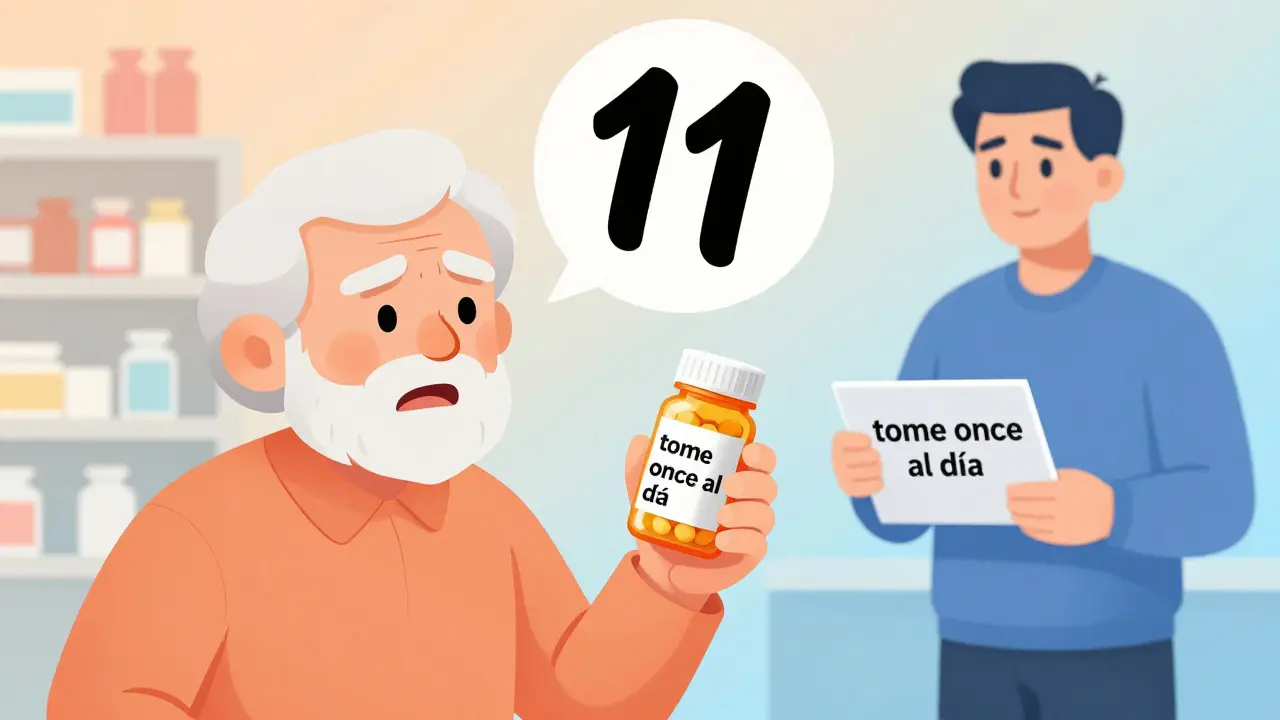
If you want to improve your own health journey, you need practical methods, not just theory. Motivational interviewing is one technique providers use. Instead of asking "Did you take your meds?", they ask "What makes taking them hard sometimes?" This reveals hidden issues like difficulty opening bottles or fear of dependency.
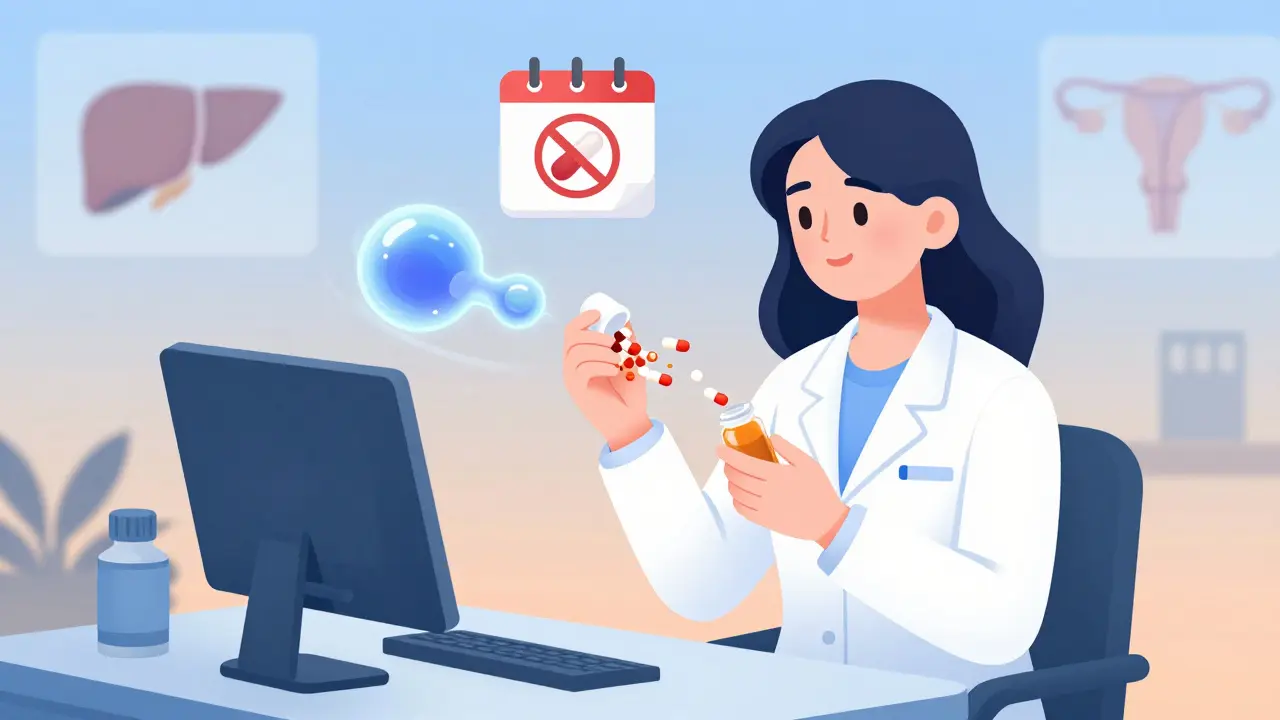
Technology plays a massive role here. Apps like Hero Health reduced missed doses by 42% in a large trial. These systems send reminders and let users log how they feel after taking a dose. Another tool, Dose Packer, improved possession ratios by nearly 29% across thousands of patients. These aren't sci-fi concepts; they are available solutions.
Even simple changes help. Synchronization of refills ensures you pick up all drugs at once rather than visiting pharmacies six times a month. Integrating these habits into Electronic Health Records EHR allows your medical team to see refill patterns instantly. If you haven't picked up in three weeks, a nurse can call before your condition worsens.
Frequently Asked Questions
Is there a big difference between being compliant and adherent?
Yes. Compliance implies obeying orders without question, focusing on obedience. Adherence involves active choice and partnership with your provider. It acknowledges that you might have reasons for deviating from a plan that need solving rather than judging.
What percentage of patients need to take medication to be considered adherent?
The American Medical Association generally uses a standard where a patient is considered adherent if they take 80% of their prescribed medicine. Taking less than this usually flags the need for intervention.
Why do doctors prefer the term adherence nowadays?
It promotes a collaborative relationship. The term compliance carries negative connotations of disobedience. Adherence focuses on understanding barriers like cost or side effects, leading to better long-term health management and trust.
Can technology help improve my medication adherence?
Absolutely. Tools like smart pill caps and reminder apps have shown significant improvements, reducing missed doses by over 40% in clinical trials. They provide data that both you and your doctor can review to spot problems early.
Does adherence affect insurance or hospital funding?
Yes. Programs like CMS tie a portion of hospital reimbursements to how well patients manage their conditions. High adherence reduces readmission rates, which impacts financial penalties for healthcare facilities.
Moving from passive obedience to active partnership isn't just about changing vocabulary. It fundamentally alters how you experience treatment. When you treat your health regimen as a choice you own, you gain power over the outcome. Whether you are managing a new diagnosis or maintaining a long-term condition, asking about adherence options ensures you get care that respects your life.


Jordan Marx
March 28, 2026 AT 07:53The utilization of Medication Possession Ratio as a primary KPI for adherence tracking is definitely evolving. We need to consider how behavioral factors align with EHR data integration for longitudinal assessment. Clinical workflows must support this shift from passive recording to active engagement protocols. Provider empathy remains the single strongest predictor for sustained protocol adherence rates among high risk cohorts.
Sabrina Herciu
March 30, 2026 AT 01:18This is exactly what the American Pharmacists Association advocates for! The eighty percent threshold is a clear benchmark! Patients need to know this is a partnership not a command chain! We must eliminate the stigma around missed doses completely!
kendra 0712
March 31, 2026 AT 00:59I love the way you explain the difference between obedience and choice! It really empowers everyone to take ownership of their own wellness journey! We can all do better by listening to each other and supporting those struggling with barriers! Communication is the key to unlocking better health outcomes for sure!
Aaron Olney
April 2, 2026 AT 00:27it isnt always easy to follow rules sometimes teh doctors dont listen either! i hate when they act like im broken if i miss a pill! the system is rigged against normal people who just try to live! why is everything so complicated and frustrating to deal with daily!!
walker texaxsranger
April 3, 2026 AT 21:30adherence metrics are just another tool for population control and profit margin optimization big pharma benefits when patients depend on drugs forever they want compliance not health its about the bottom line
Eva Maes
April 4, 2026 AT 00:03Your cynicism ignores the substantial evidence supporting improved clinical outcomes with patient centered approaches! The data clearly shows reduced readmissions and lower mortality rates when barriers are addressed systematically! Dismissing these metrics as mere corporate manipulation overlooks genuine advancements in therapeutic alliance building!
gina macabuhay
April 4, 2026 AT 01:23Patient non-compliance is ultimately a failure of personal discipline regardless of the fancy terminology used to excuse it! Blaming systemic barriers is an easy way to avoid taking accountability for following medical instructions! Doctors prescribe treatment for a reason and ignoring that puts lives at serious risk!
Sophie Hallam
April 4, 2026 AT 15:23There are certainly valid challenges regarding affordability and access that complicate strict adherence goals. Perhaps finding a middle ground where blame is reduced without removing expectations would benefit everyone involved. Understanding the root cause allows for more effective solutions moving forward.
Philip Wynkoop
April 6, 2026 AT 00:29Good info here :) glad to see change coming
Monique Ball
April 7, 2026 AT 17:04It is incredibly refreshing to see such a detailed breakdown of the distinction! I have noticed many patients struggle with the old model simply because it makes them feel blamed! Blame creates a cycle of avoidance that hides the real issues causing non-adherence behaviors. When doctors approach the conversation with curiosity instead of accusation things change dramatically! The concept of agreed upon recommendations truly empowers the individual taking control! Cost barriers are perhaps the most common reason people stop taking essential medications quietly. Insurance copays can be astronomical depending on your specific plan tier coverage options! It is vital that pharmacists have the time to discuss these financial hurdles openly. Digital health tools are becoming more accessible but privacy concerns remain a valid worry! We should focus on how these devices respect patient autonomy while providing safety monitoring! The eighty percent adherence rule is a good baseline but quality of life matters immensely too! Sometimes missing a dose due to travel is better handled with flexibility rather than penalties! Patient education materials need to be written at an appropriate reading level for understanding! Health literacy plays a massive role in whether someone can navigate the complex healthcare landscape effectively! Reducing hospital readmissions saves money for everyone in the broader system ecosystem eventually! Here is hoping that insurance providers continue to incentivize these better engagement models soon! 🌟💊🩺
Monique Louise Hill
April 8, 2026 AT 17:54It is important to remember that health is a moral duty we owe to ourselves and society! People need to prioritize their wellbeing above temporary inconveniences! Ignoring prescriptions is selfish behavior that affects the whole community! 😤🛑⚕️