When you have nateglinide, a rapid-acting oral medication used to lower blood sugar in people with type 2 diabetes. It's often called a meglitinide, and it works by telling your pancreas to release insulin right after you eat. Unlike some other diabetes drugs that work all day, nateglinide acts fast and fades fast—perfect for keeping post-meal spikes under control without dragging your blood sugar too low later.
It’s not a cure, and it won’t fix insulin resistance on its own. But when paired with diet and exercise, it fills a real gap: those sudden sugar jumps after breakfast or dinner. People who take it usually eat three meals a day and need a quick insulin boost right when food hits their system. It’s often prescribed for folks who still make some of their own insulin but can’t release it fast enough.
Nateglinide doesn’t work alone. It’s part of a bigger picture that includes type 2 diabetes, a chronic condition where the body doesn’t use insulin properly, and how other drugs like metformin or sulfonylureas might stack up. You might see it compared to glipizide, a longer-acting sulfonylurea that also triggers insulin release, but nateglinide’s short life in your body means less risk of low blood sugar overnight. That’s why some doctors pick it for older adults or those with irregular eating habits.
But here’s the catch: nateglinide can’t be taken if you skip a meal. If you don’t eat, don’t take it. Taking it without food can drop your blood sugar dangerously low. And if you’re on other meds—like beta-blockers, drugs used for high blood pressure or heart conditions—it can hide the warning signs of low sugar, like a fast heartbeat. That’s why tracking your symptoms matters. Many users keep a simple log: what they ate, when they took nateglinide, and how they felt an hour later.
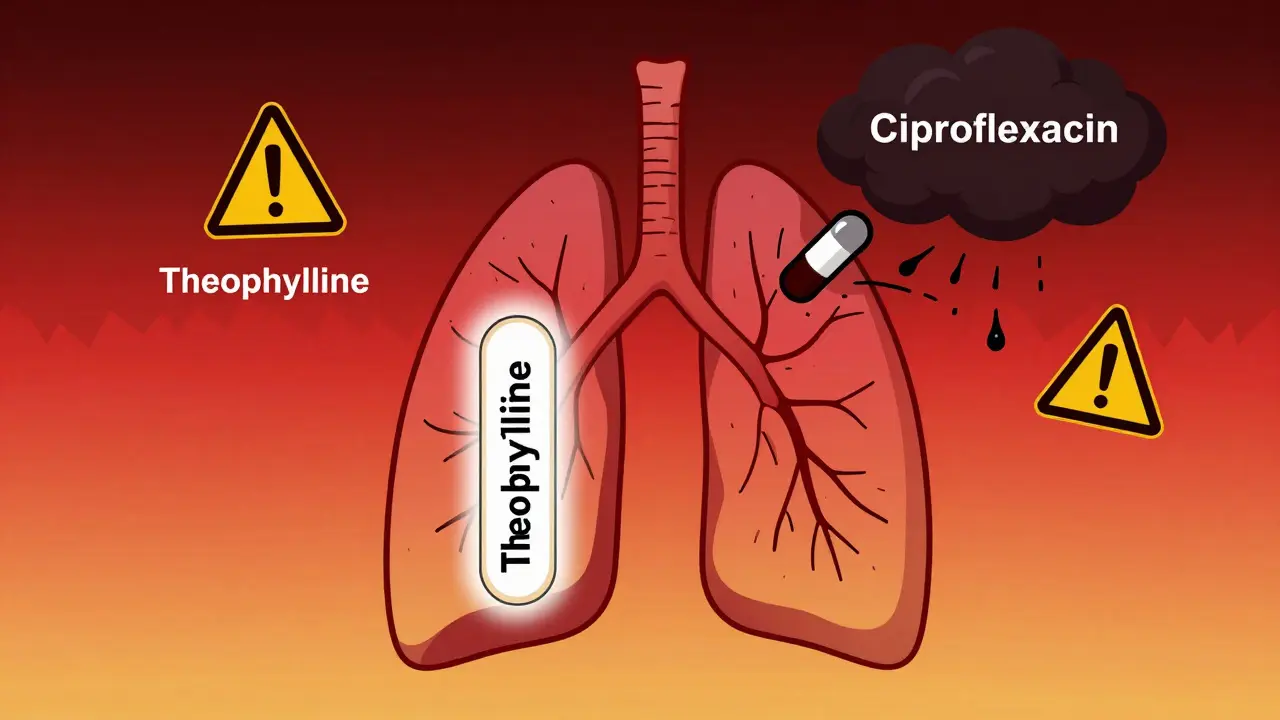
Drug interactions are a real concern. Nateglinide is processed by the liver, so anything that slows or speeds up that process—like certain antibiotics, antifungals, or even St. John’s wort—can change how well it works. That’s why knowing your full medication list is critical. You might be surprised how often a common cold medicine or herbal supplement throws off your blood sugar control.
It’s also not for everyone. If you have type 1 diabetes, diabetic ketoacidosis, or severe kidney problems, nateglinide isn’t right for you. And while it’s generally well-tolerated, side effects like dizziness, headache, or joint pain show up in some users. Not everyone feels them, but if you do, it’s worth noting—especially since tracking side effects can help your doctor adjust your plan.
What you’ll find below isn’t just a list of articles. It’s a practical toolkit. You’ll see how nateglinide fits into the bigger world of diabetes meds, how it compares to other fast-acting options, and what to watch for when mixing it with alcohol, other drugs, or even supplements. There are real stories about people who’ve managed their blood sugar better by understanding timing, diet, and interactions. You’ll learn how to spot hidden risks, how to talk to your doctor about alternatives, and how to avoid the common mistakes that lead to spikes or crashes.
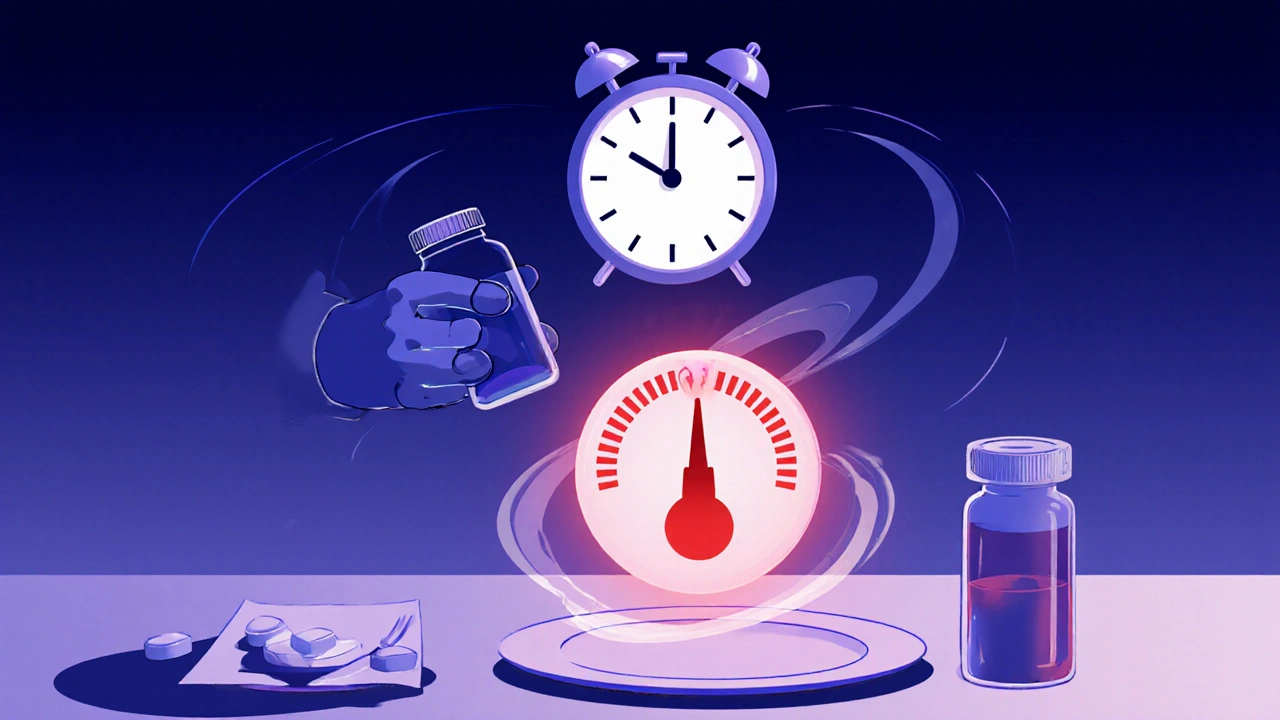
Meglitinides help control blood sugar after meals but can cause dangerous hypoglycemia if meals are skipped. Learn how repaglinide and nateglinide work, why timing matters, and how to stay safe.
View More