When a drug has a narrow therapeutic index, the difference between a safe, effective dose and a toxic one is very small. Also known as a narrow therapeutic range, this means even a slight overdose or underdose can cause serious harm—or make the medicine useless. These aren’t rare oddities. They’re some of the most commonly prescribed drugs you might be taking right now—like warfarin, lithium, digoxin, and certain seizure meds. If your doctor prescribes one of these, you’re not just getting a pill. You’re getting a treatment that demands precision.
Why does this matter? Because your body doesn’t handle these drugs like it does aspirin or ibuprofen. A tiny change in how your liver breaks them down, a new supplement you started, or even a change in diet can throw off the balance. For example, grapefruit juice can spike levels of some narrow index drugs, just like it does with simvastatin. Or if you’re on warfarin and suddenly eat more leafy greens, your blood clotting time can swing dangerously. That’s why labs like INR tests aren’t optional—they’re your safety net. These drugs don’t just interact with other meds; they’re sensitive to your whole lifestyle. That’s why the same pill can save one person and hospitalize another.
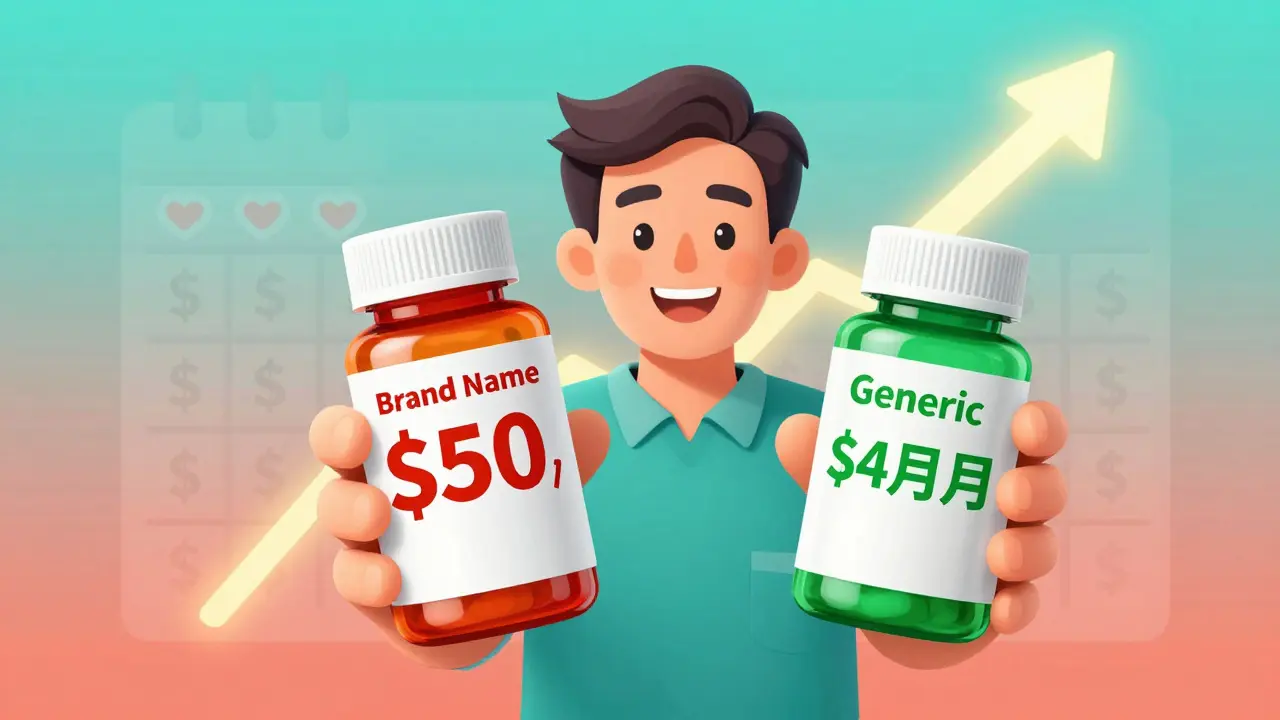
Doctors and pharmacists know this. That’s why they track you closely, order frequent blood tests, and double-check prescriptions. But you’re the one who takes the pill every day. You’re the one who notices if you feel off, dizzy, or unusually tired. You’re the one who needs to speak up if you miss a dose, switch brands, or start a new supplement. Generic versions of these drugs aren’t always interchangeable—even if they have the same active ingredient. Small differences in fillers or how the drug is released can make a big difference when the therapeutic window is this tight. That’s why some insurance plans require prior authorization or limit which generics you can get. It’s not bureaucracy. It’s protection.
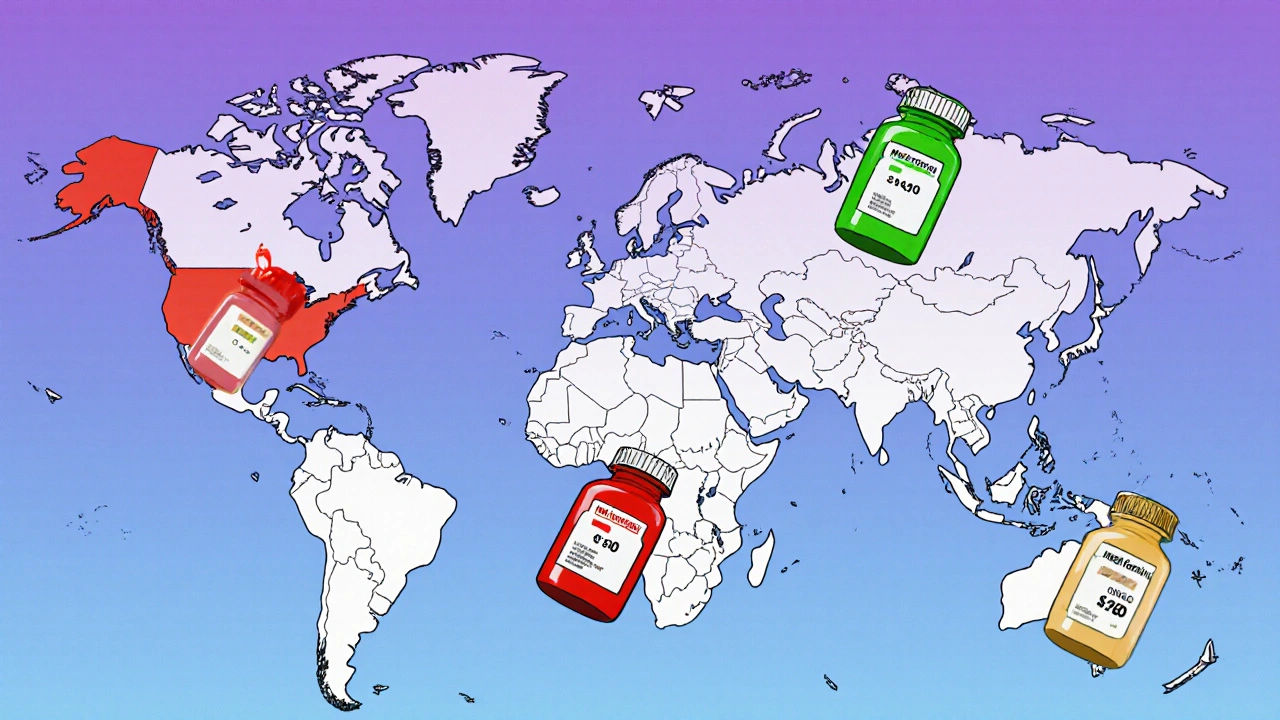
What you’ll find in the posts below are real-world stories and facts about how these high-risk drugs behave. You’ll see how drug interactions, insurance rules, and even international pricing affect your access to safe doses. You’ll learn what to watch for when your medication changes, how to track side effects, and why a doctor’s letter matters when you travel. This isn’t theory. It’s what happens when precision medicine meets real life—and why paying attention isn’t optional.
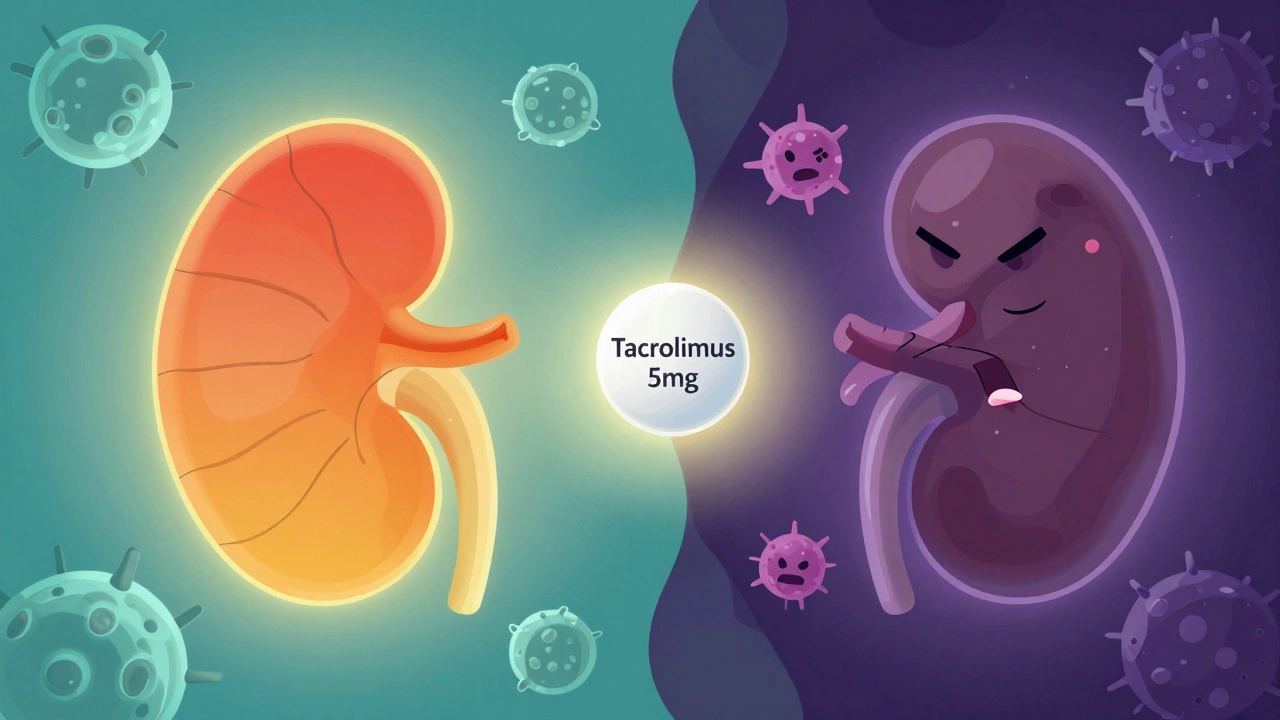
Cyclosporine and tacrolimus are critical for transplant patients, but generic versions carry hidden risks due to narrow therapeutic ranges. Learn why switching generics can trigger rejection and how to protect your transplant.
View More