When you take more than one medication, you’re not just adding effects—you’re risking dangerous drug combinations, mixes of medicines that can unexpectedly amplify side effects, block effectiveness, or trigger life-threatening reactions. Also known as medication interactions, these aren’t rare accidents—they happen every day because people don’t realize how easily common drugs can turn harmful together. A simple antibiotic like clarithromycin can spike the level of your blood pressure pill, causing your blood to drop dangerously low. A common painkiller like ibuprofen can make your blood thinner work too well, leading to internal bleeding. These aren’t theoretical risks. Real people end up in emergency rooms because no one checked what was in their medicine cabinet.
There are two main ways drugs fight each other inside your body. One is pharmacokinetic interactions, when one drug changes how your body absorbs, breaks down, or gets rid of another. This often happens in the liver, where enzymes like CYP3A4 act like gatekeepers. If a drug clogs those gates, other meds build up to toxic levels—like when antivirals for HIV or hepatitis C interfere with cholesterol pills or sedatives. The other kind is pharmacodynamic interactions, when two drugs hit the same target in your body and overdo it. Think of it like two people pulling the same rope. GABA supplements plus benzodiazepines? That’s two sedatives teaming up to slow your breathing to a stop. Alcohol on top of that? You’re playing Russian roulette with your central nervous system. These aren’t just for old people on a dozen pills. Young adults taking ADHD meds with OTC cold remedies, or people using herbal supplements with antidepressants, are just as at risk.
You don’t need a pharmacy degree to protect yourself. Start by keeping a simple list of everything you take—prescriptions, supplements, even occasional painkillers. Bring it to every doctor visit. Ask: "Could this interact with anything else I’m on?" Don’t assume your pharmacist caught it—they’re juggling hundreds of scripts a day. And if you ever feel dizzy, confused, have chest pain, or notice unusual bruising or bleeding, don’t wait. These could be signs your meds are clashing. The posts below break down real cases: how clarithromycin and calcium channel blockers can crash your blood pressure, why sildenafil and nitrates are a deadly mix, and how even something as simple as grapefruit juice can turn a safe dose into an overdose. This isn’t about fear. It’s about control. You have the right to know what’s in your body—and what it’s doing when mixed together.
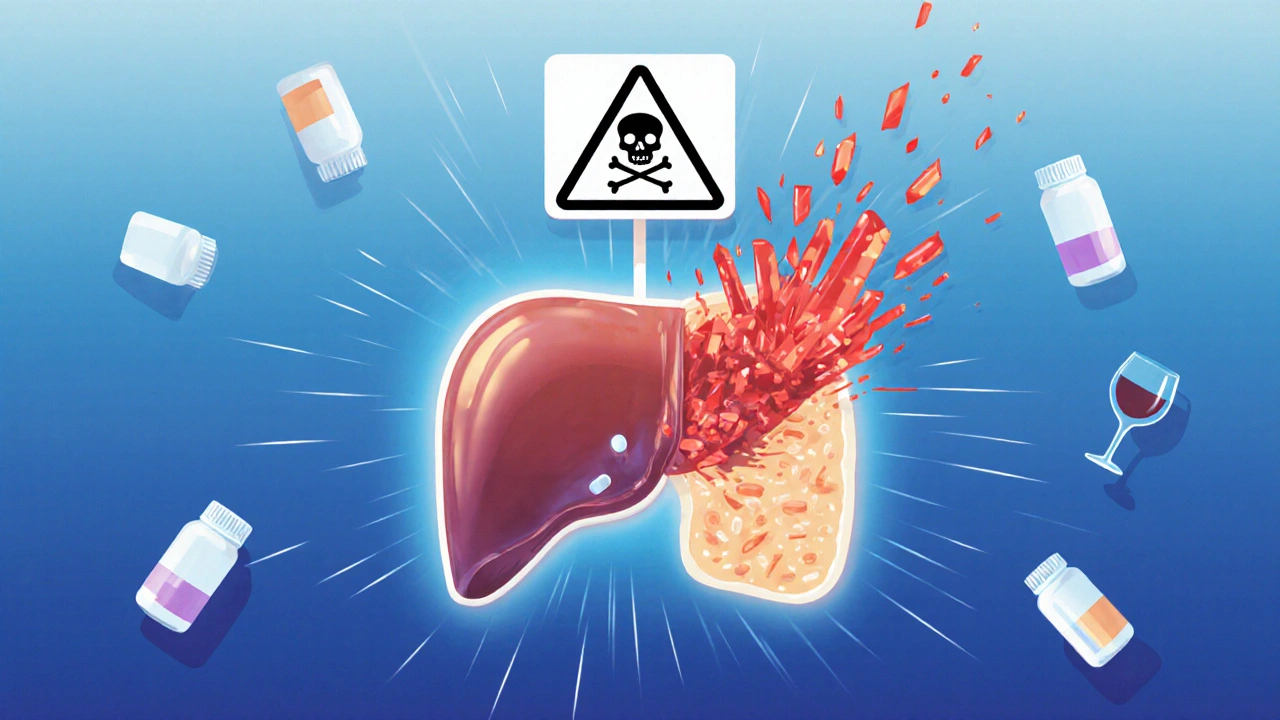
Mixing alcohol with medications can cause deadly side effects, from liver failure to respiratory arrest. Learn which drugs are most dangerous with alcohol and how to protect yourself.
View More