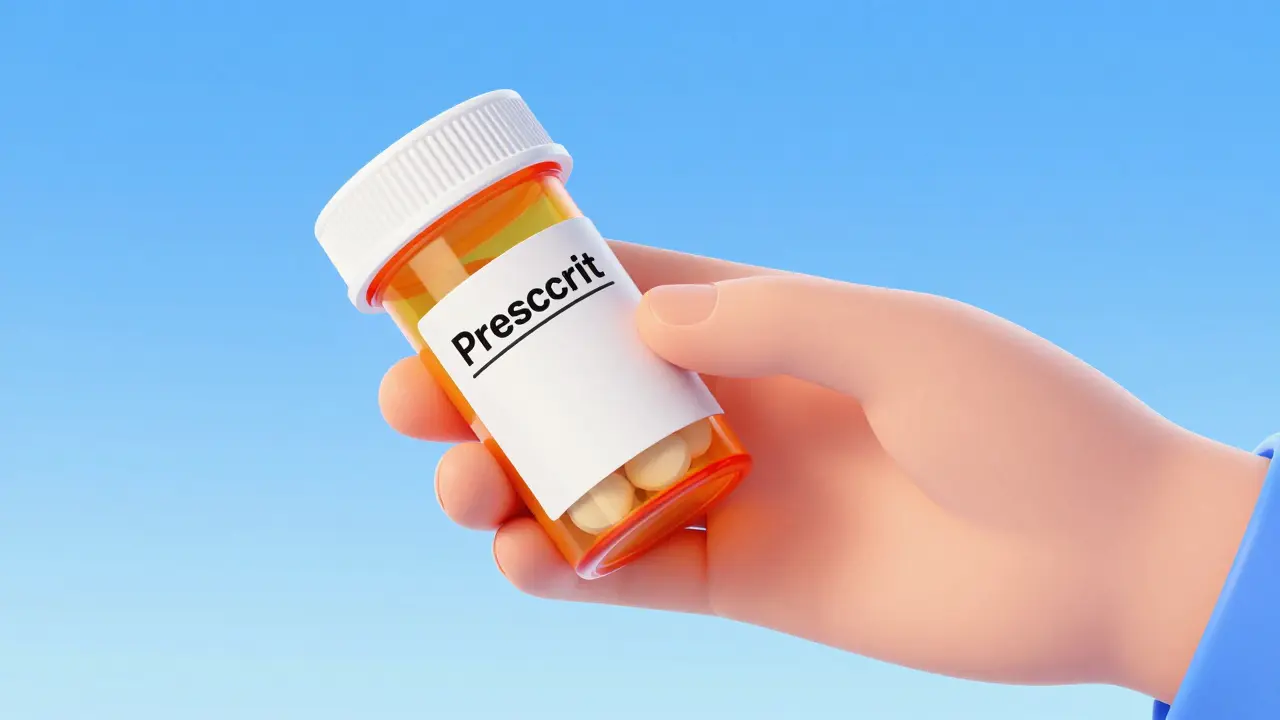
Ever wonder if the name on your pill bottle is actually the doctor you spoke with? It seems like a small detail, but skipping this check can be dangerous. According to the FDA's Adverse Event Reporting System (FAERS), medication errors lead to over 7,000 deaths every year, with a significant chunk of these issues stemming from simple identification mistakes. Your medication label isn't just a sticker; it's a safety tool designed to prevent you from taking the wrong drug or a dose that could clash with another medication.
Checking your labels is the fastest way to catch a mistake before it reaches your system. While we rely heavily on technology, a study in the Journal of the American Pharmacists Association found that physically checking a label is actually more reliable than using a pharmacy app, which had a higher error rate. By spending just 60 to 90 seconds reviewing your bottle, you can potentially stop a serious medical mistake in its tracks.
Quick Guide to Label Verification
If you're in a hurry, here is the baseline for what you need to do every time you get a new script or a refill.
- Confirm the Prescriber: Match the name on the label to the provider who wrote the script.
- Check Pharmacy Details: Ensure the pharmacy name, address, and phone number are correct.
- Verify the RX Number: Cross-reference the prescription number with your records or the pharmacy's system.
- Time it Right: Perform these checks at pickup, before the first dose, and during every refill.
Breaking Down the Prescriber Information
The Prescriber is the licensed healthcare professional authorized to order medications for a patient. On your label, this section is your first line of defense against therapeutic duplication. You should look for the professional's full name and, in many cases, their contact details.
Under the Medicare Prescription Drug, Improvement, and Modernization Act of 2003, certain identifiers like the National Provider Identifier (NPI) is a unique 10-digit identification number used by healthcare providers in the US, are often linked to the prescription in the pharmacy's system. While the NPI might not always be printed on the outer label, the prescriber's name must be clear. If you see a name you don't recognize, or if your primary care doctor is listed but a specialist actually ordered the drug, stop and call the pharmacy immediately.
Why does this matter so much? Electronic prescriptions sometimes auto-populate the wrong doctor if a clinic has multiple providers using the same system. In fact, about 18% of verification failures happen because of these electronic glitches. If you're seeing a misspelling or the wrong specialty listed, it's a red flag that the pharmacy might have the wrong patient profile open.
What to Look for in Pharmacy Details
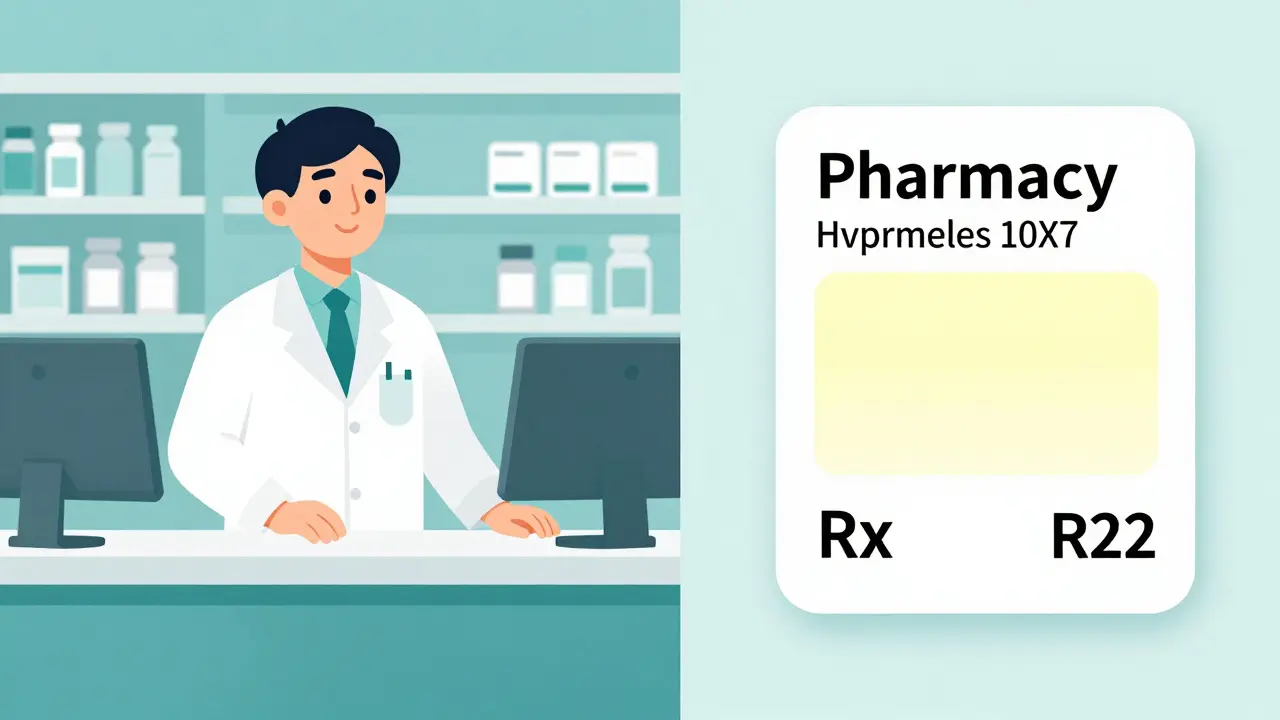
The Pharmacy is the facility and licensed staff responsible for dispensing medications and providing drug information. Your label must include the pharmacy's full legal name, physical address, and a working telephone number. This isn't just for record-keeping; it's so you know exactly who to call if you have a reaction or a question about a side effect.
One of the most overlooked parts of the label is the Prescription Number (or RX number). This is the unique ID for your specific medication order. You will need this number every time you call for a refill or if you need to report a problem. If you use multiple pharmacies-like a local Community Pharmacy and a mail-order service-keep a close eye on these numbers to ensure you aren't accidentally taking two different brands of the same drug.
| Pharmacy Type | Accuracy Rate (NABP 2023) | Primary Advantage | Common Risk |
|---|---|---|---|
| Community (CVS, Walgreens) | 98.7% | Face-to-face consultation | High volume errors |
| Mail-Order | 96.4% | Convenience/Home delivery | Lack of immediate visual check |
| Specialty Pharmacies | Lower (23% higher error rate) | Complex med handling | High complexity errors |
When to Verify: The Three Critical Checkpoints
You shouldn't just glance at the label once and forget about it. To maximize safety, adopt a three-step verification habit. First, check the label the moment you receive the medication at the counter or in the mail. This is where you catch the "wrong patient" or "wrong drug" errors before you even leave the building.
Second, verify the information again right before you take your very first dose. This is the final safety gate. If you've been away from the medication for a few days, a quick re-check ensures you're still following the correct prescriber's instructions. Finally, always verify the information during a refill. Doctors often change dosages or switch medications entirely; if the refill label still shows the old prescriber or an outdated dose, you've caught a potentially dangerous mistake.
The FDA suggests spending about 60 to 90 seconds on this process. It sounds like a long time for a sticker, but compared to the risk of a medication error, it's a tiny investment. If you struggle with small print-which affects nearly 37% of people over 65-don't be afraid to use a magnifying glass or ask the pharmacist to read the details aloud to you.
Common Pitfalls and How to Solve Them
Not every label is easy to read. Some pharmacies use tiny fonts that make the prescriber's name look like a blur. If you can't read the label, you can't verify it. Most pharmacies provide magnifying tools for free, so don't hesitate to ask for one.
Another common issue is the "familiarity trap." You've used the same pharmacy for ten years, so you assume they know you. However, errors still happen. Many people have discovered that their pharmacy accidentally swapped their medication with another patient who had a similar last name. By consistently checking the prescriber's name, you can identify these swaps. For example, if you're seeing a cardiologist but the label lists your dentist, you know something is wrong immediately.
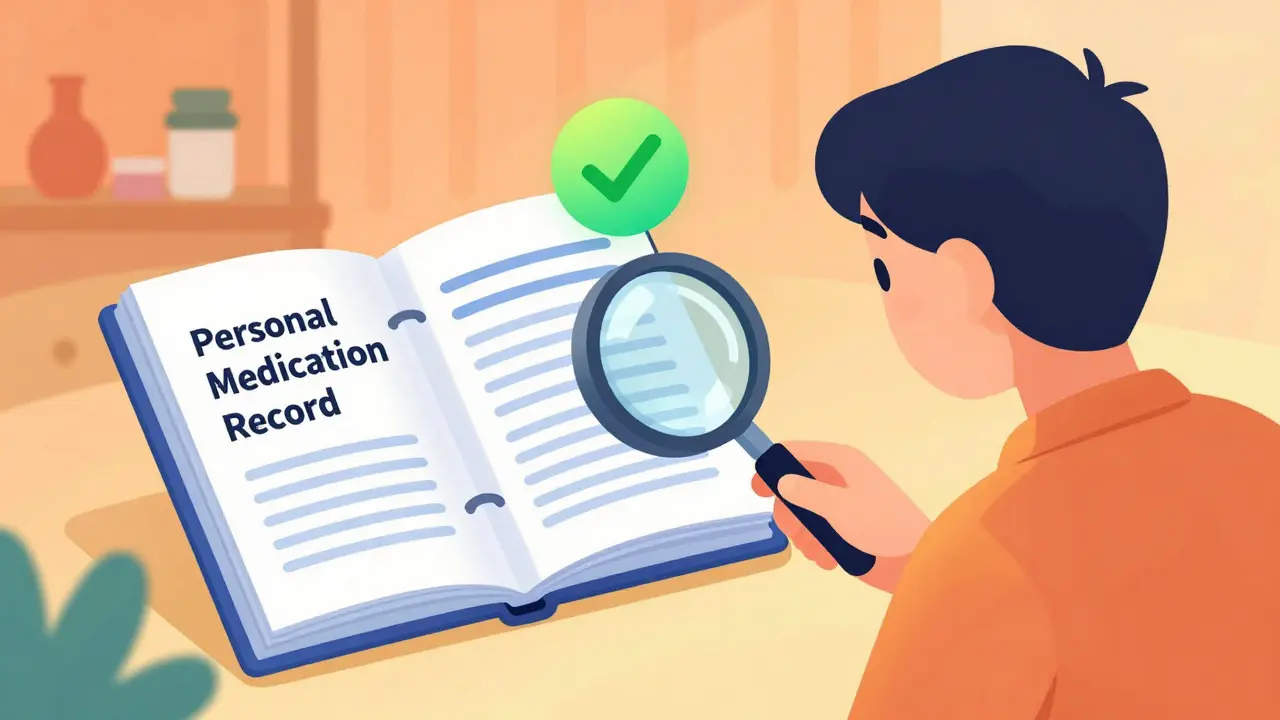
To make this easier, keep a Personal Medication Record (PMR). This is a comprehensive list of all medications a patient is taking, including dosages, prescribers, and pharmacy details. Whether you use a notebook or a digital app, having a master list allows you to compare the label to your records instantly. If the label doesn't match your PMR, you have a concrete reason to question the pharmacy.
The Role of Technology in Verification
We're seeing a shift toward digital tools, such as QR codes on labels that link to verification portals. While these are helpful and have shown a 19% improvement in accuracy in recent pilots, they shouldn't replace your eyes. Technology can fail, or the database behind the QR code could have the same error as the physical label.
The goal is a hybrid approach. Use your pharmacy's app to track your refills and view your PMR, but always do the final physical check on the bottle itself. The most reliable safety net is a patient who is engaged and asks questions. If a name is spelled wrong or the phone number looks off, call the provider's office to confirm the order was sent correctly.
Why is verifying the prescriber's name so important?
Verifying the prescriber's name helps prevent "wrong-drug" errors and therapeutic duplication. If a label lists a doctor you didn't visit, it's a sign that the pharmacy may have filled the wrong prescription or mixed up patient profiles, which could lead to taking a medication that is contraindicated for your condition.
What should I do if the pharmacy information on my label is incorrect?
Do not take the medication. Contact the pharmacy immediately using a known correct phone number to report the error. If the pharmacy's listed contact info is wrong, look up their official number online or visit them in person. Ensure they correct the label and verify that the medication inside the bottle is actually what was prescribed.
How often should I check the information on my prescription label?
You should verify the label at three specific times: when you first pick up the medication, immediately before you take the first dose, and every time you receive a refill. This ensures any changes in dosage or prescriber are noted and any errors are caught before ingestion.
Can I trust a pharmacy app over the physical label?
While apps are convenient for tracking, physical label verification is statistically more reliable. A study found a lower error rate for physical checks (2.1%) compared to app-based verification (7.2%), largely because apps may display the same incorrect data that was used to print the label.
What is an NPI number and why does it matter for my label?
The National Provider Identifier (NPI) is a unique 10-digit number assigned to healthcare providers. While not always visible on the outer label, it is used by pharmacies to ensure the correct prescriber is linked to the medication. It acts as a digital fingerprint to prevent confusion between doctors with similar names.