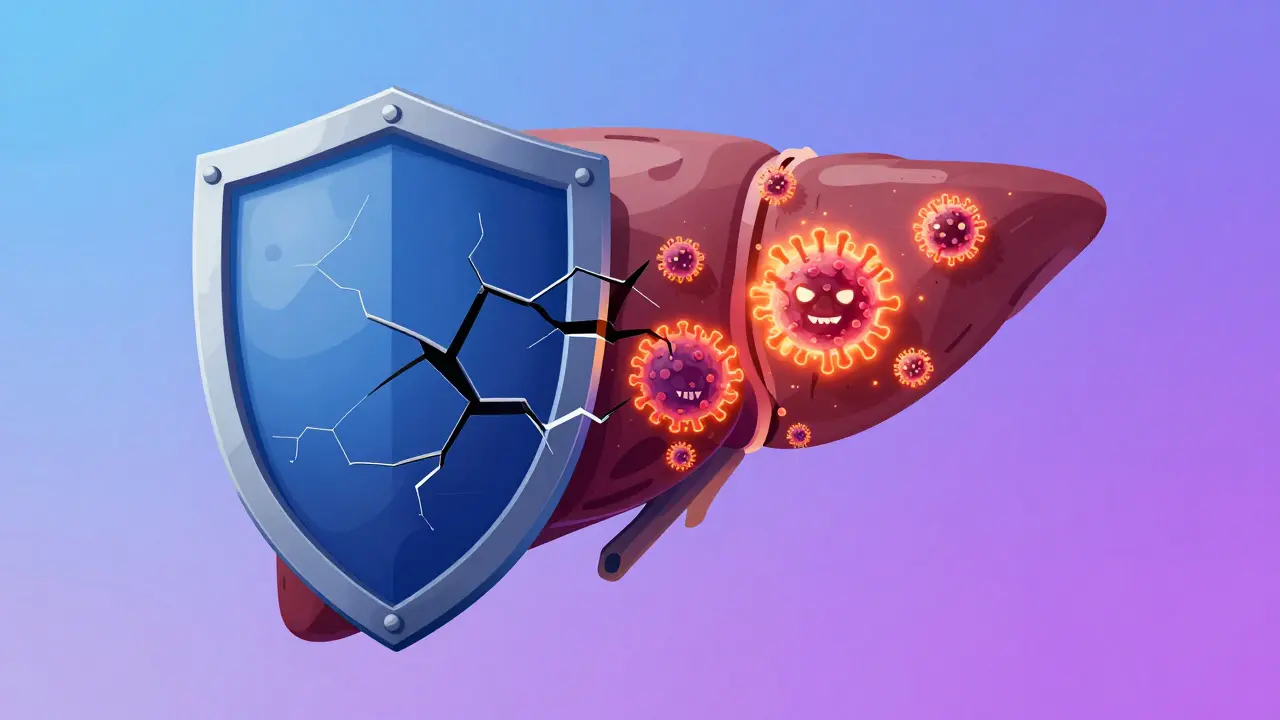
Imagine a patient fighting cancer with a promising new drug, only for their recovery to be derailed by a dormant virus waking up in their liver. This is the reality of HBV reactivation is the loss of immune control over the Hepatitis B virus in people receiving immunosuppressive therapy, often leading to a surge in viral load and severe liver inflammation. When the immune system is dampened to fight a tumor or an autoimmune disease, the virus can seize the opportunity to replicate rapidly. If left unchecked, this can spiral into acute hepatitis or full-blown liver failure. The good news? It is almost entirely preventable with the right screening and a proactive plan.
The Essentials of HBV Reactivation
To understand how this happens, we have to look at the three-stage process described in clinical literature. First, the immunosuppressive drugs lower the body's defenses, allowing the virus to start replicating. Second, as the immune system tries to fight back or recovers, it triggers an aggressive inflammatory response that damages the liver cells. Finally, the inflammation either resolves or, in the worst cases, leads to permanent liver damage.
The stakes are high. In severe cases where screening was missed, case fatality rates can hit 5-10%. However, using antiviral prophylaxis-essentially giving antiviral meds before the virus has a chance to wake up-can slash the risk of reactivation from as high as 50% down to less than 5%.
Who is Most at Risk?
Not all treatments carry the same weight. The risk depends heavily on the type of drug and the patient's initial HBV status. We generally split patients into two groups: those who are HBsAg-positive (chronic carriers) and those who are HBsAg-negative but anti-HBc-positive (resolved infection).
Some therapies are far more "dangerous" for the liver than others. For instance, Rituximab and other B-cell depleting agents are high-risk; in some lymphoma patients, the reactivation rate can climb to 73%. Stem cell transplants are equally precarious, with up to 81% of allogeneic transplant recipients experiencing reactivation. On the other end of the spectrum, non-cytotoxic targeted therapies usually pose a very low risk, often below 1%.
| Risk Level | Example Therapies | Estimated Reactivation Rate |
|---|---|---|
| High | Rituximab, Stem Cell Transplants, Anthracyclines | 25% - 81% |
| Intermediate | Conventional Chemo (no steroids), TNF-alpha inhibitors | 1% - 10% (varies by status) |
| Low | Non-cytotoxic targeted therapies | < 1% |
The Role of Biologics and Chemotherapy
The shift toward precision medicine has introduced Biologics, which are engineered proteins that target specific parts of the immune system. While they are revolutionary for treating rheumatoid arthritis or lymphoma, they can be a double-edged sword. For example, PD-1 blockades used in cancer immunotherapy have shown a 21% reactivation rate in chronic carriers who weren't on prophylaxis.
Conventional Chemotherapy also creates a fertile ground for the virus. While it might seem less targeted than a biologic, the systemic impact of cytotoxic drugs can weaken the T-cell response enough to let HBV run wild. Even procedures like TACE (Transarterial Chemoembolization) for liver cancer have shown reactivation rates between 17.5% and 33.7%, which is significantly higher than doctors once thought.
How to Implement a Prophylaxis Strategy
Preventing a liver crisis starts with a simple blood test. Experts from the AASLD and EASL insist on universal screening before any immunosuppression begins. You can't treat what you haven't found.
Here is the standard operational flow for a safe start:
- Baseline Screening: Test every patient for HBsAg and anti-HBc at least two weeks before starting therapy.
- Viral Load Check: If the screen is positive, perform a reflex HBV DNA test to see if the virus is currently active.
- Start Prophylaxis: For high-risk patients, start antivirals like Entecavir or Tenofovir at least one week before the first dose of chemotherapy or biologics.
- Maintenance: Continue the antiviral therapy throughout the immunosuppression period and for 6 to 12 months after the last treatment.
One common pitfall is the "resolved infection" patient. These people aren't chronic carriers, but the virus is still hiding in their cells. While the risk is lower than in chronic carriers, it is not zero. About 18% of these patients can reactivate during high-dose chemotherapy, meaning they cannot be ignored.
Overcoming Implementation Challenges
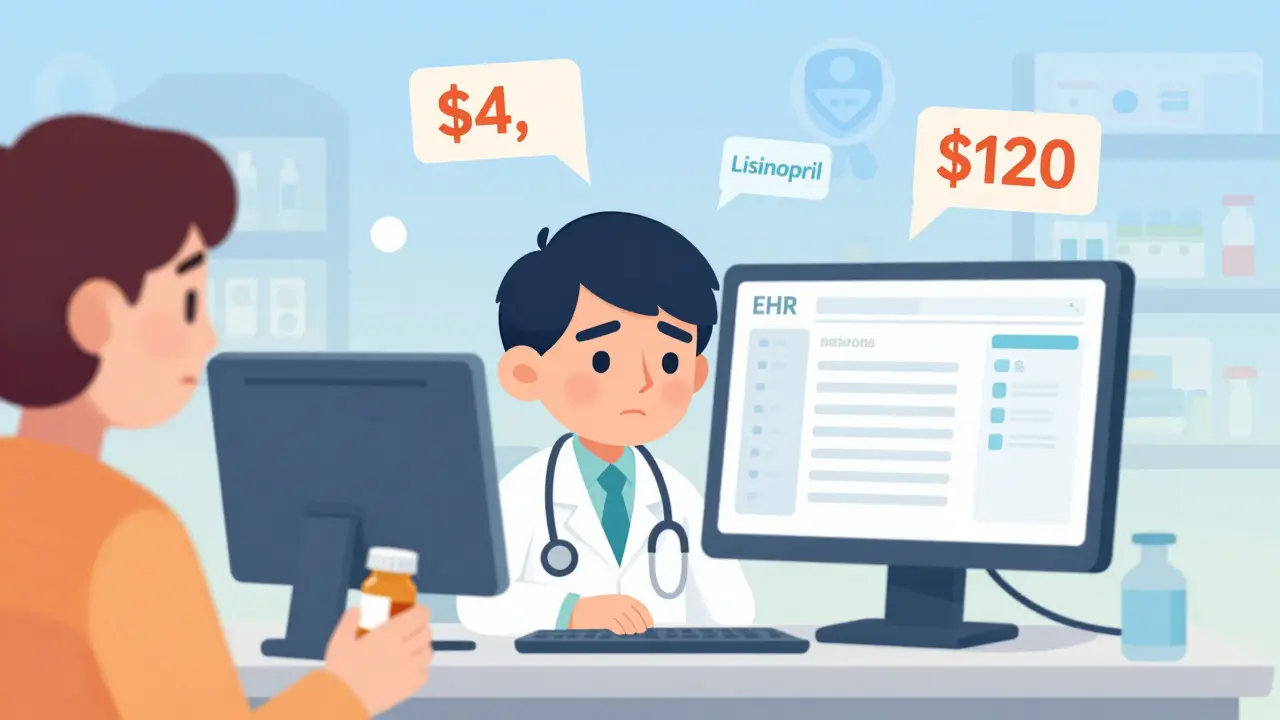
Despite clear guidelines, there is a gap between academic centers and community practices. Many community oncologists still struggle with consistent screening, often because the HBV risk isn't the primary focus of the cancer treatment. The solution often lies in technology. Some hospitals now use automated electronic health record (EHR) flags that prevent a doctor from ordering a high-risk biologic unless an HBV screen has been uploaded to the chart.
Another challenge is the fear of overtreatment. Some argue that in regions where HBV is very rare, universal screening might be a waste of resources. However, the medical consensus is that the cost of a blood test is pennies compared to the astronomical cost of treating acute liver failure in an ICU.
Future Trends in Liver Protection
The way we monitor HBV is evolving. We are moving toward point-of-care rapid tests, similar to how COVID-19 or HIV tests work, which could make screening instant. Additionally, genomic profiling companies are now integrating HBV status into their reports, allowing doctors to see a patient's viral risk right alongside their tumor's genetic mutations.
We are also seeing a refinement in how long patients need to stay on prophylaxis. While 12 months was the old gold standard, newer data suggests that 6 months of post-therapy coverage is sufficient for most regimens. This reduces the drug burden on the patient without sacrificing safety.
What is the difference between a chronic carrier and a resolved HBV infection?
A chronic carrier is HBsAg-positive, meaning the virus is actively present in the blood. Someone with a resolved infection is HBsAg-negative but anti-HBc-positive; the virus is no longer active in the blood but remains dormant in the liver cells (cccDNA) and can be "reawakened" by immunosuppression.
Which antiviral drugs are best for preventing reactivation?
Entecavir and Tenofovir are the preferred choices. These are potent nucleos(t)ide analogues with a high barrier to resistance, meaning the virus is unlikely to develop a way around them.
Can checkpoint inhibitors cause HBV reactivation?
Yes. While these drugs work differently than traditional chemo, they can still trigger reactivation. In some studies, about 21% of HBsAg-positive patients experienced reactivation. It is also important to distinguish this from immune-related hepatitis caused by the drug itself.
How long should a patient stay on prophylaxis after chemotherapy ends?
Traditionally, 12 months was recommended. However, recent evidence suggests that for most patients, 6 months of post-therapy antiviral coverage is sufficient to prevent late reactivation.
What happens if a patient is not screened and reactivation occurs?
If missed, the patient may develop acute hepatitis, characterized by high liver enzymes (ALT/AST) and rising bilirubin. In severe cases, this can lead to liver failure and death, which is why baseline screening is considered mandatory by organizations like the IDSA.