When your body can't properly use sugar for energy, you're dealing with metabolic dysfunction, a cluster of conditions including insulin resistance, high blood pressure, and abnormal cholesterol that raise your risk for heart disease and diabetes. Also known as metabolic syndrome, it's not a single disease—it's your body screaming that something's off in how it processes fuel. This isn't just about being overweight. Even people at a normal weight can have it, especially if they're taking medications that mess with blood sugar, like certain antipsychotics or steroids.
It's closely tied to insulin resistance, when cells stop responding to insulin, forcing the pancreas to pump out more until it burns out. That’s how type 2 diabetes, a direct result of long-term metabolic dysfunction where blood sugar stays too high develops. Many of the posts here touch on this: drugs like meglitinides (repaglinide, nateglinide) are designed to force blood sugar down after meals, but they only work if you eat on time. Skip a meal? Risk dangerous low blood sugar. That’s metabolic dysfunction in action—your body’s system is out of sync.
And it doesn’t stop there. Metabolic dysfunction makes your liver work harder, raises inflammation, and changes how your body handles drugs. That’s why mixing alcohol with medications can be deadly—it’s not just about the alcohol, it’s about how your liver, already stressed from metabolic issues, can’t break things down properly. Same with drugs like clarithromycin, which can spike levels of blood pressure meds if your liver enzymes are already overloaded. Even something as simple as a daily painkiller like ibuprofen can worsen kidney function in people with metabolic dysfunction, especially if they’re already on other meds.
What’s surprising? This isn’t rare. One in three adults in the U.S. has some level of metabolic dysfunction, and most don’t know it. The signs are quiet: tired all the time, waistline creeping up, blood pressure creeping up, fasting sugar just above normal. Doctors often miss it because they’re looking for diabetes, not the warning signs before it. But the posts here give you the tools to connect the dots—tracking side effects, understanding drug interactions, knowing when to ask for alternatives, and using medication lists to avoid dangerous combos.
There’s no magic pill to fix it, but there are real, doable steps: eating at regular times, moving more, cutting back on processed carbs, and talking to your doctor about meds that don’t make it worse. The information here isn’t about blaming yourself—it’s about giving you the facts so you can push back when your care doesn’t match your needs. Whether you’re managing diabetes, dealing with a drug interaction, or just wondering why you’re always tired, understanding metabolic dysfunction is the first step to taking control.
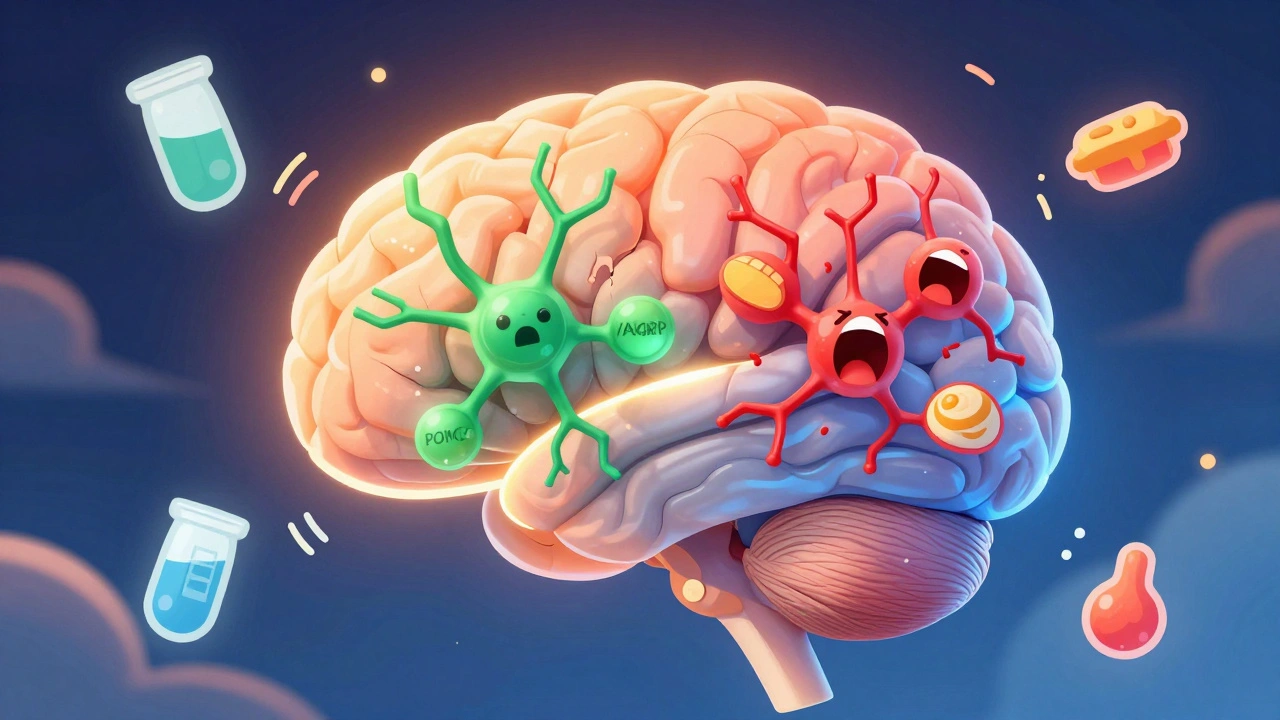
Obesity isn't just about eating too much-it's a disease of broken hunger signals and metabolic dysfunction. Learn how leptin resistance, ghrelin, and brain pathways drive weight gain and why new treatments are targeting the root causes.
View More