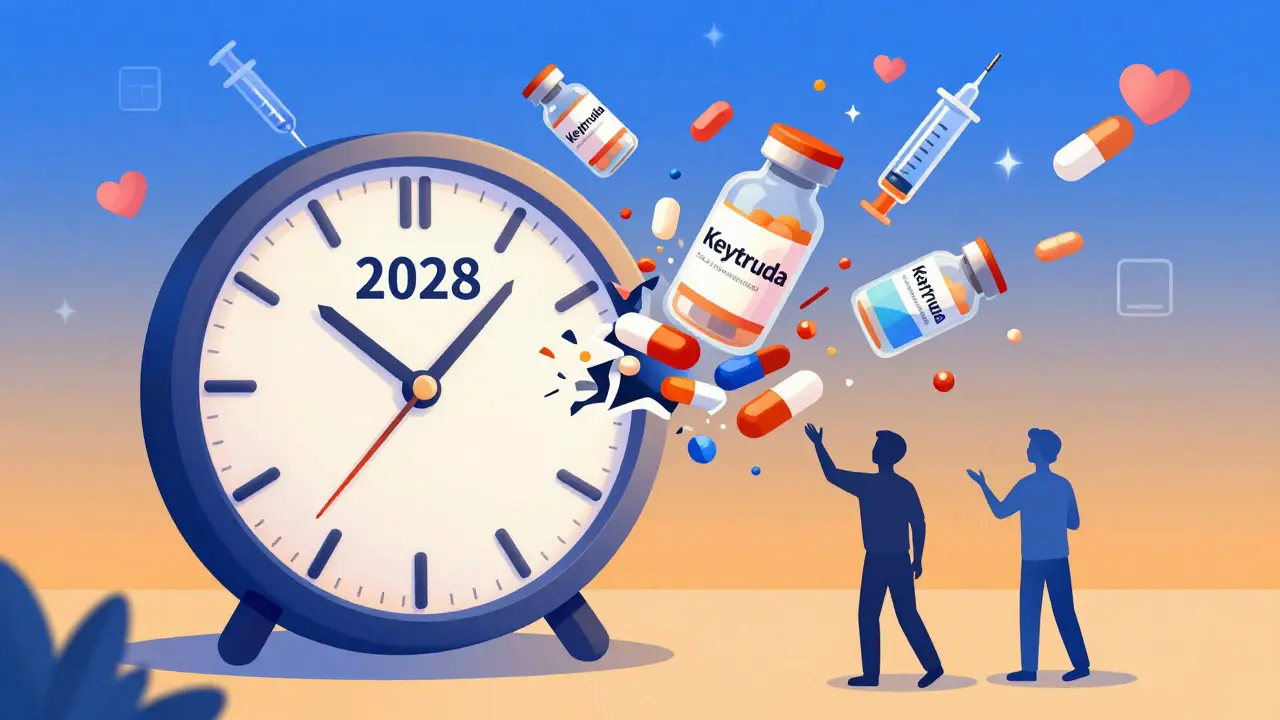
Biosimilars are set to transform drug access and pricing as major biologics like Keytruda and Eylea lose patent protection between 2025 and 2030. With savings projected at $250 billion, this wave could reshape how patients receive cancer, autoimmune, and chronic disease treatments.
View More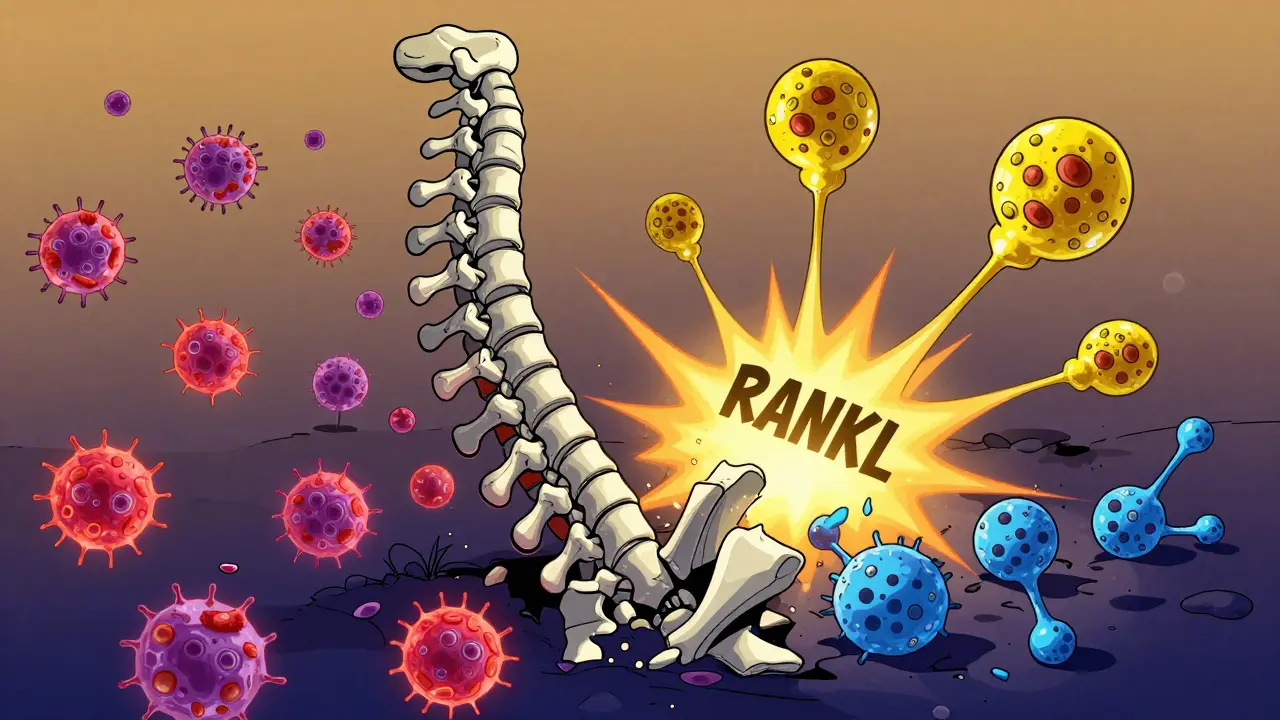
Multiple myeloma causes severe bone destruction in over 80% of patients, leading to fractures, pain, and hospitalizations. While current treatments slow bone loss, new drugs are now being tested to actually rebuild bone and heal damage.
View More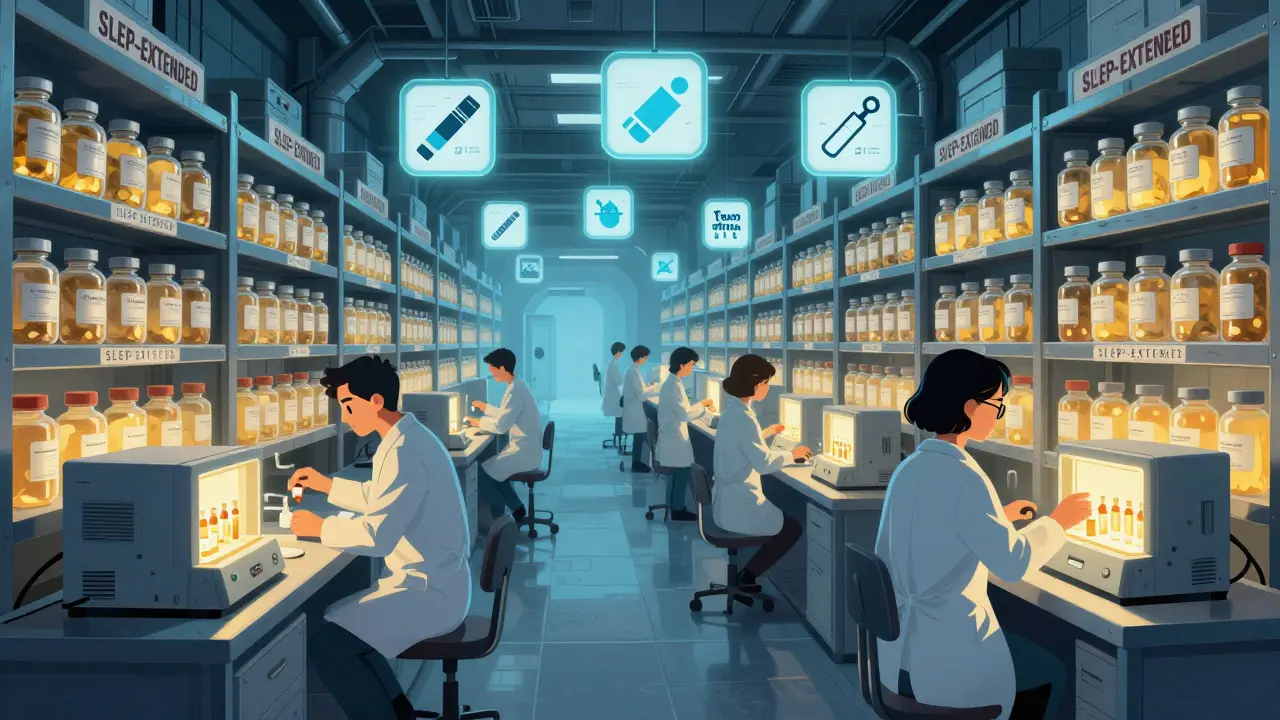
The Military Shelf Life Extension Program proves many drugs remain effective years past their expiration dates when stored properly. This federal initiative has saved billions and reshaped our understanding of drug stability.
View More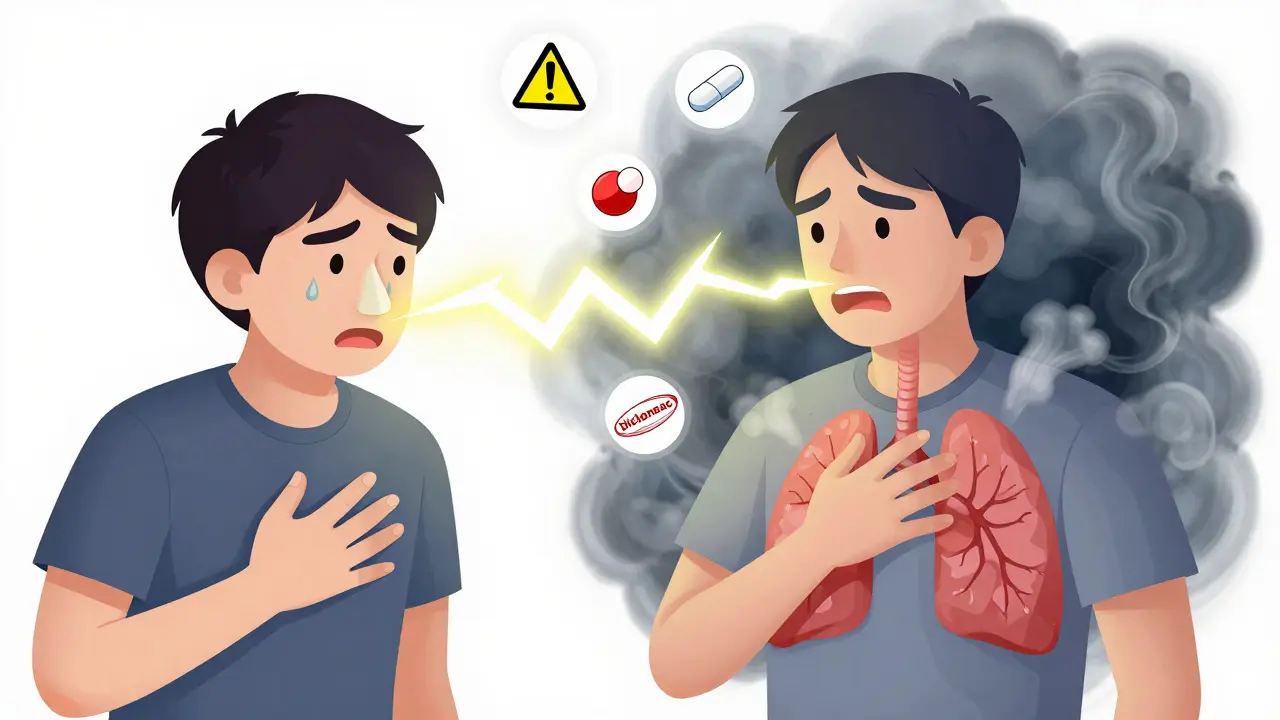
NSAID sensitivity in asthma can trigger severe reactions, especially in those with nasal polyps or chronic sinusitis. Learn which painkillers to avoid, safer alternatives, and what to do if you’ve had a reaction.
View More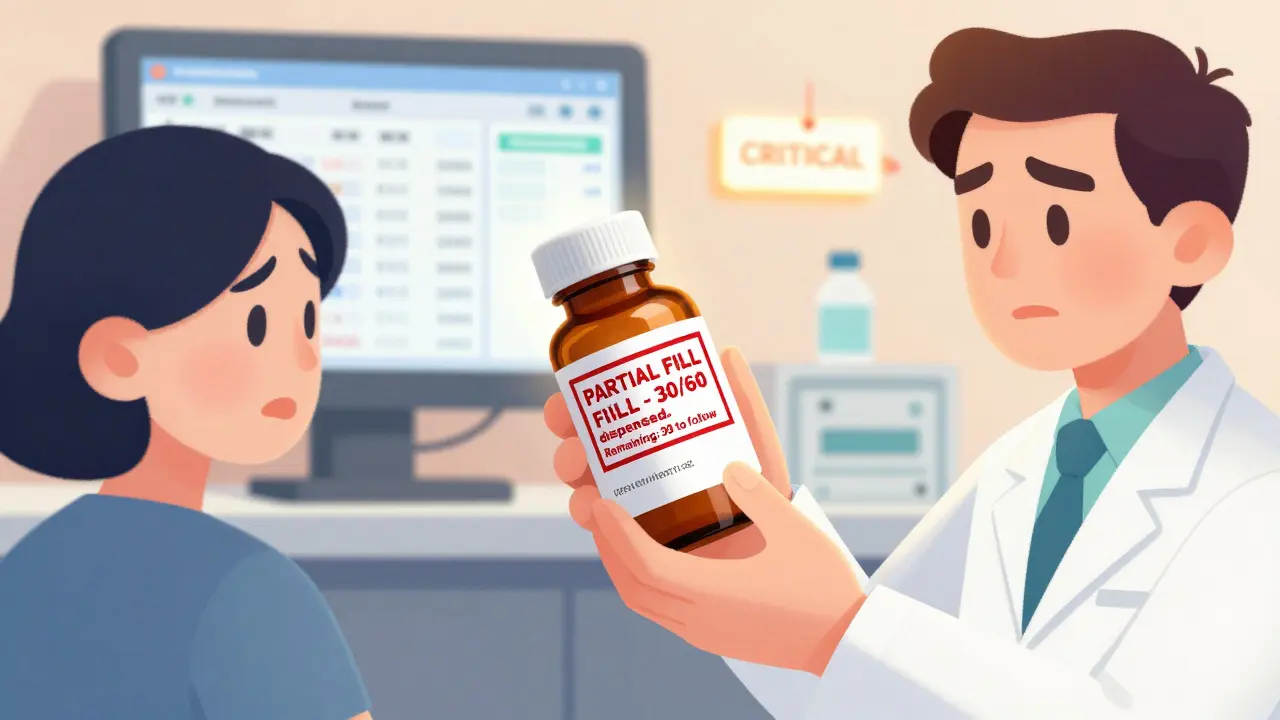
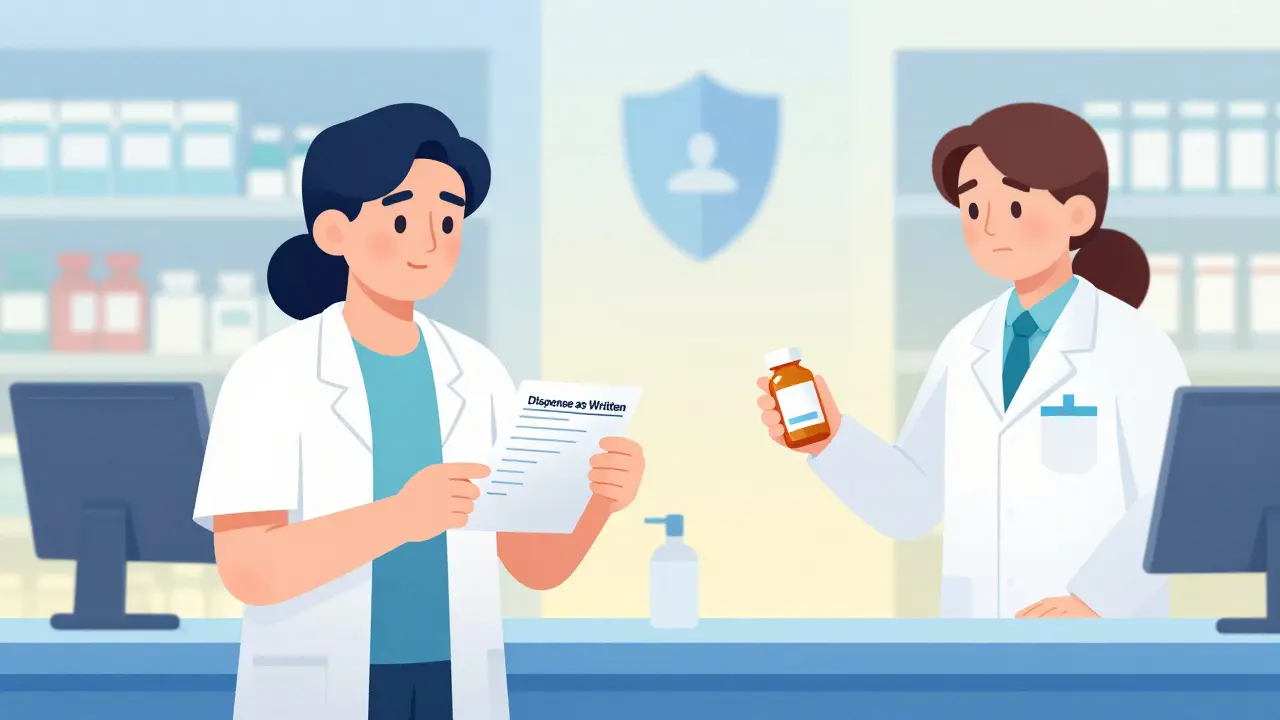
Learn how to safely manage partial fills and back-orders in pharmacies to prevent dispensing errors, improve patient safety, and build trust. Real-world strategies for NZ pharmacies in 2026.
View More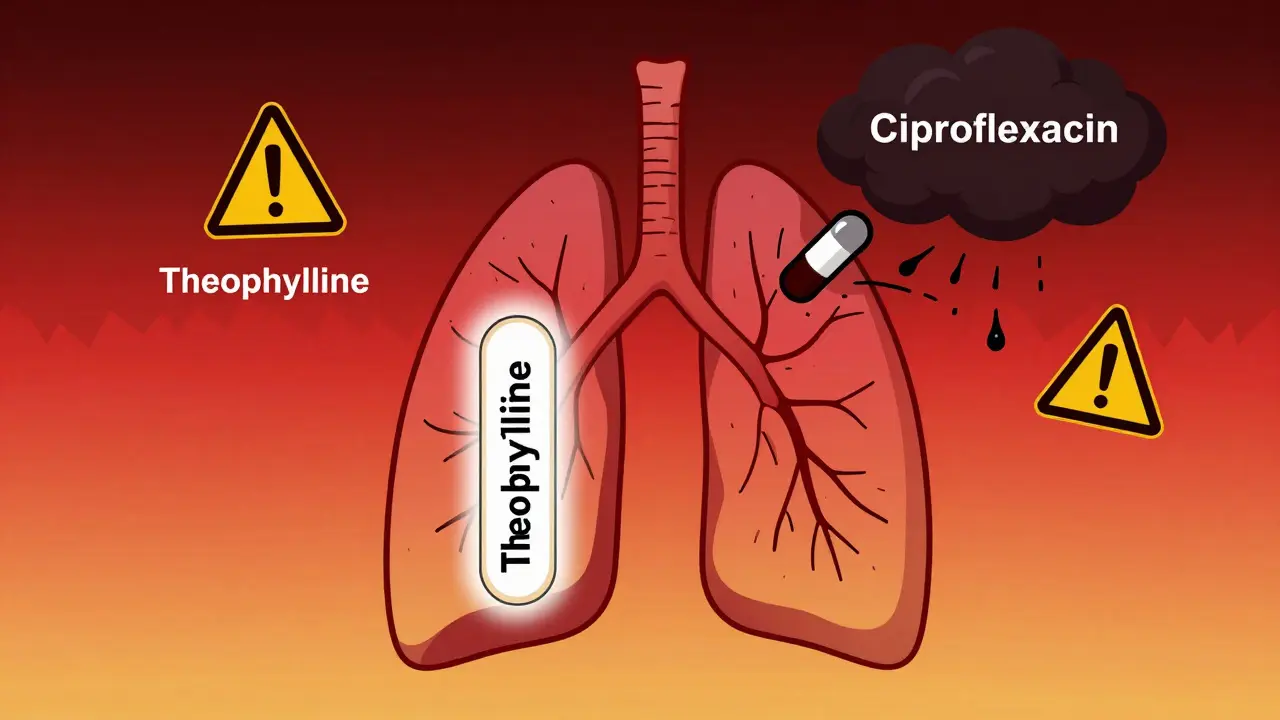
Ciprofloxacin and theophylline together can cause dangerous toxicity, leading to seizures, arrhythmias, and hospitalizations. This well-documented interaction requires dose adjustments or antibiotic changes to prevent harm.
View More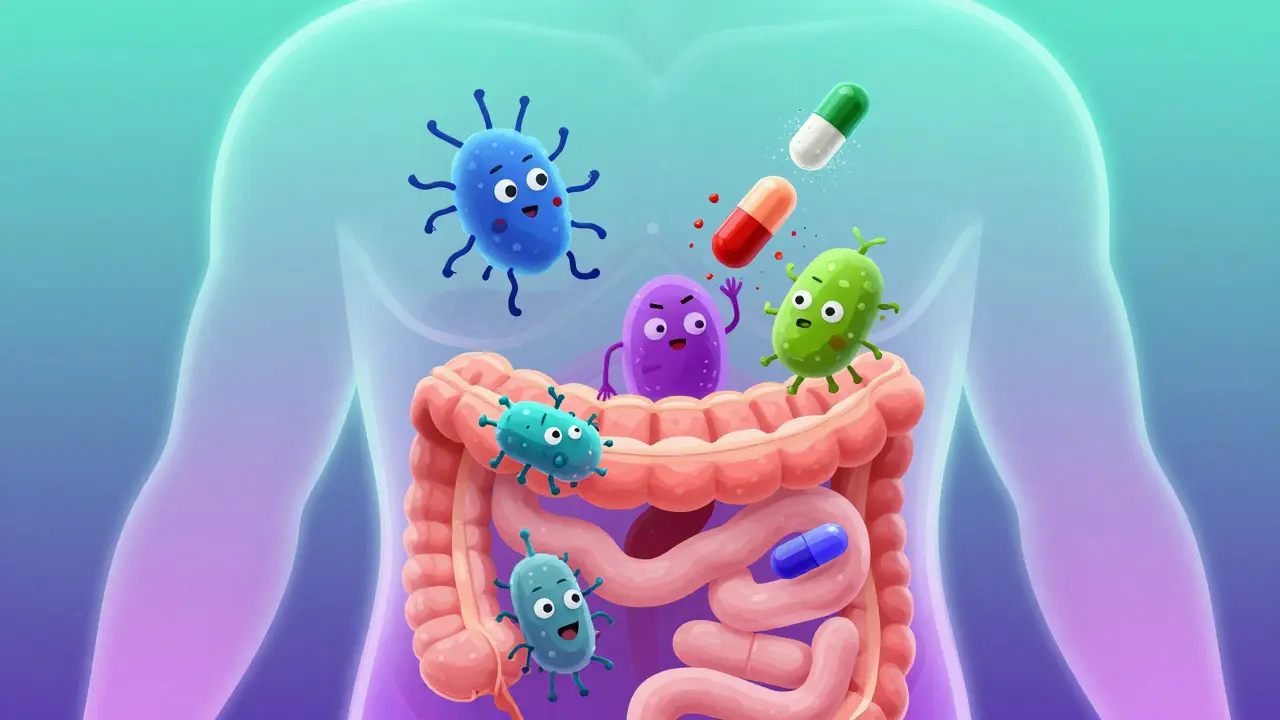
The gut microbiome can turn medications into toxins or render them useless, explaining why some people have severe side effects while others don't. New research is revealing how bacteria alter drug metabolism - and how we can personalize treatment.
View More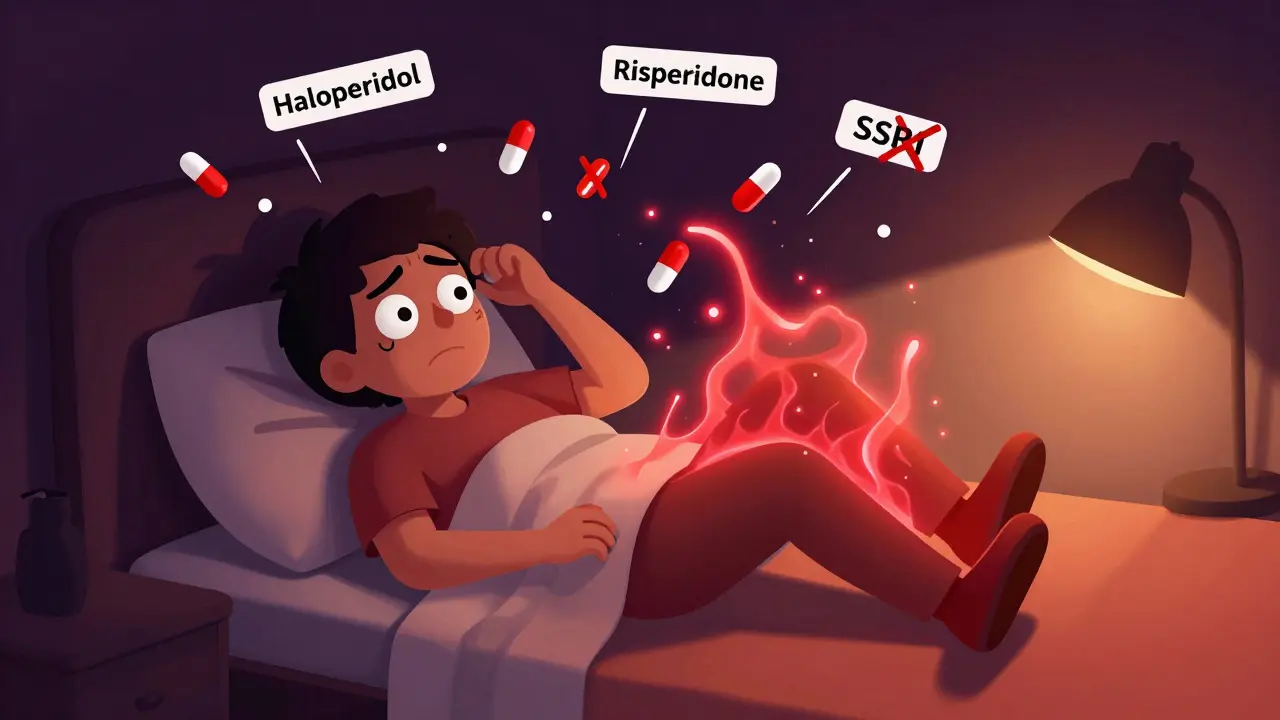
Akathisia and restless legs are often confused, but only one is a dangerous drug side effect. Learn how to tell them apart, why misdiagnosis can be deadly, and what treatments actually work.
View More
Learn how to get 90-day prescription fills to cut your medication costs in half - no new insurance needed. Just ask your pharmacy or doctor, and start saving hundreds each year.
View More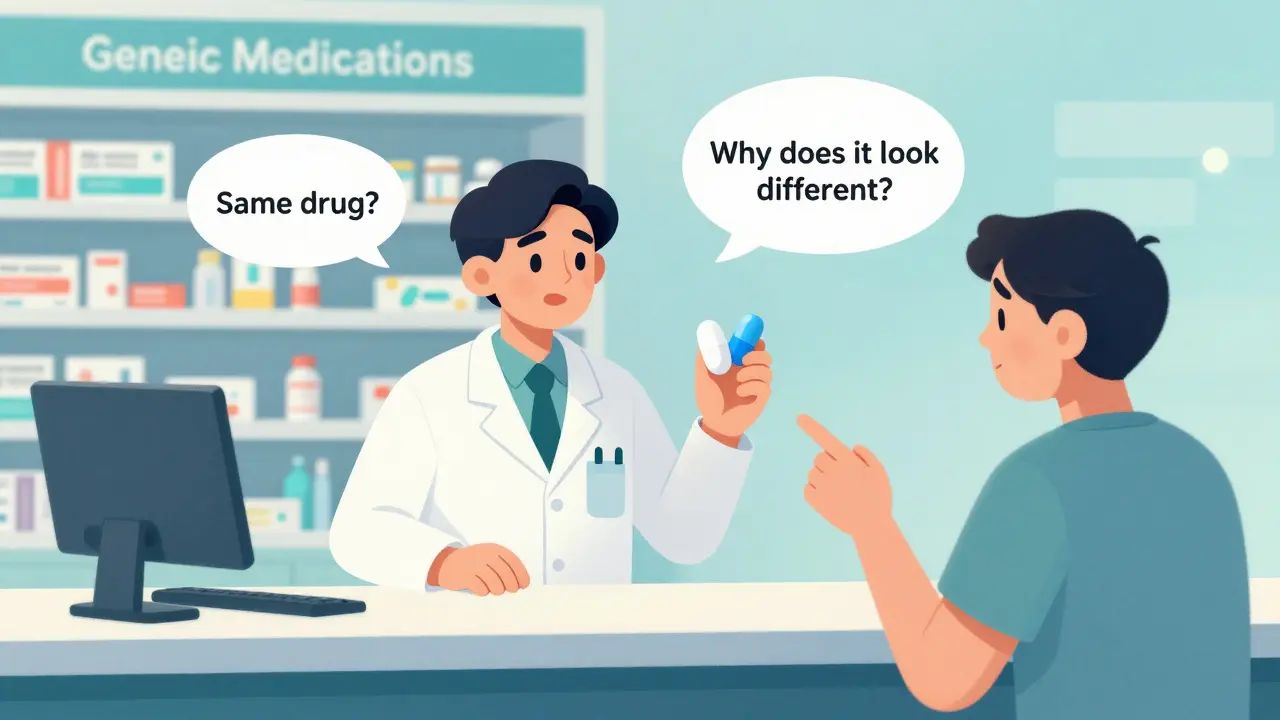
Generic medications are used in 90% of U.S. prescriptions, but subtle differences in formulation, appearance, and labeling lead to preventable errors. Learn how pharmacies can prevent and correct these mistakes to protect patient safety.
View More